Is the Jeep Grand Cherokee Reliable?
You can count on the Jeep Grand Cherokee for strong off-road capability and a comfortable ride, but reliability varies by model year and upkeep. Early 2010s models offer a great balance of features and dependability, while newer ones may face some tech glitches. Regular maintenance helps avoid common mechanical issues like transmission or electrical problems. If you want to understand which models stand out and what to watch for, there’s more to explore about this rugged SUV.
Why Reliability Matters for the Jeep Grand Cherokee
Because you rely on your Jeep Grand Cherokee for both daily drives and adventurous trips, its dependability directly impacts your peace of mind and overall experience. When your vehicle performs consistently, you can focus on the road ahead without worrying about unexpected breakdowns or costly repairs.
Reliability means fewer visits to the mechanic and more time enjoying your journeys, whether commuting or exploring off-road trails. It also protects your investment, keeping resale value higher by demonstrating dependable performance over time.
Plus, a reliable Jeep Grand Cherokee ensures your safety by reducing the risk of malfunctions in critical moments. Ultimately, dependability isn’t just a feature—it’s a necessity that supports your lifestyle, giving you confidence to tackle any destination without hesitation.
How the Jeep Grand Cherokee Has Evolved Over Time
As you explore the Jeep Grand Cherokee’s history, you’ll see how it has transformed to meet changing demands and technologies. Initially launched in 1992, it combined rugged off-road capability with SUV comfort, setting a new standard.
Over the years, Jeep introduced more advanced safety features, improved fuel efficiency, and refined interiors to enhance your driving experience. The Grand Cherokee evolved from a primarily utilitarian vehicle into a versatile SUV that balances performance and luxury.
You’ll notice upgrades in engine options, suspension systems, and technology packages, reflecting the brand’s commitment to innovation. Each generation adapted to shifting consumer preferences and environmental regulations, ensuring the Grand Cherokee remained competitive and appealing.
This evolution shows Jeep’s dedication to blending tradition with modern advancements, benefiting drivers like you.
Which Jeep Grand Cherokee Model Years Are Most Reliable?
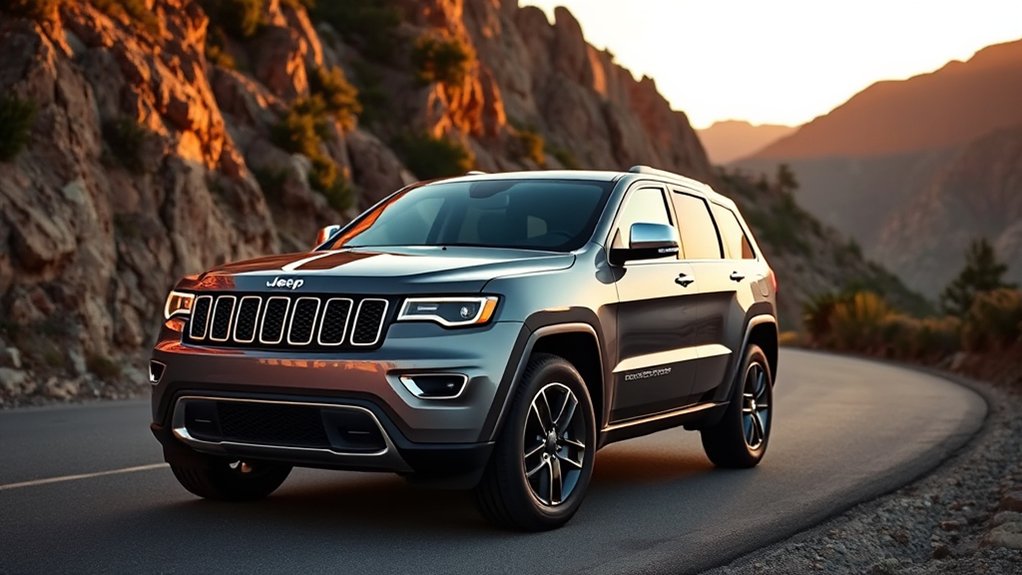
Understanding how the Jeep Grand Cherokee has changed over time helps you identify which model years stand out for reliability.
Generally, models from 2011 to 2013 get high marks for consistent performance and fewer reported issues. The 2014 and 2015 models also show solid reliability but may have minor electrical quirks.
You’ll want to approach the 2010 and earlier models with caution, as they tend to have more frequent mechanical problems.
The most recent models, like 2017 through 2019, improved in build quality but sometimes show early tech glitches.
If you’re seeking a dependable Grand Cherokee, focusing on the early 2010s models is a smart move, balancing modern features and proven reliability without the newer models’ initial hiccups.
What Are the Most Common Mechanical Issues?
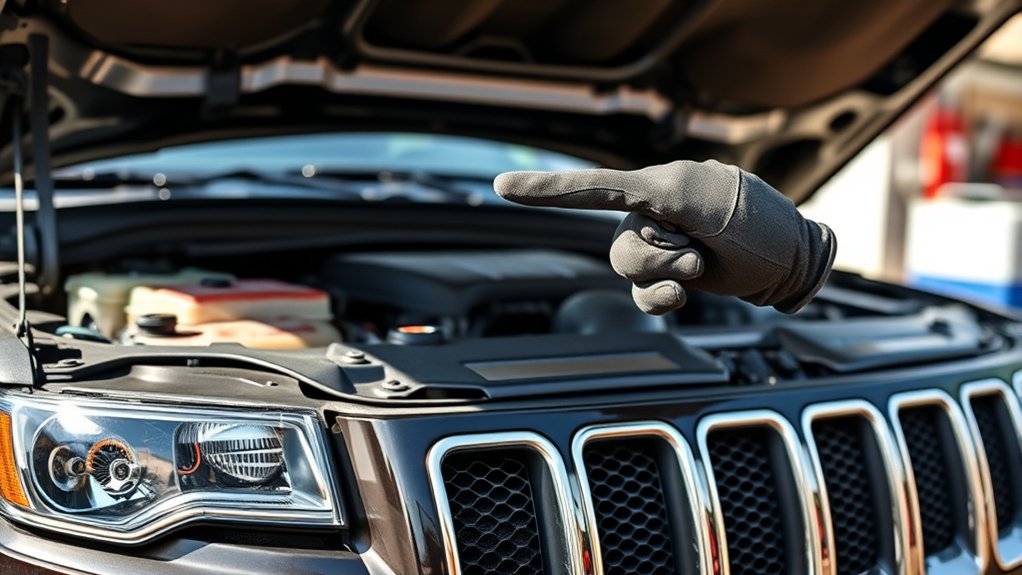
When you dig into Jeep Grand Cherokee’s mechanical history, certain issues keep popping up across various model years. You’ll want to be aware of these common problems before making a decision:
- Transmission Troubles – Many owners report rough shifting or complete transmission failure, especially in models with higher mileage. Regular maintenance helps but doesn’t always prevent issues.
- Suspension Wear – Components like control arms and bushings tend to wear out faster, leading to uneven tire wear and a rougher ride.
- Engine Oil Leaks – Oil leaks around the valve cover gasket or oil pan are frequent complaints, which can cause engine damage if left unchecked.
Knowing these problems helps you stay proactive with inspections and repairs, ensuring your Grand Cherokee stays reliable longer.
What Electrical and Tech Problems Should You Watch For?
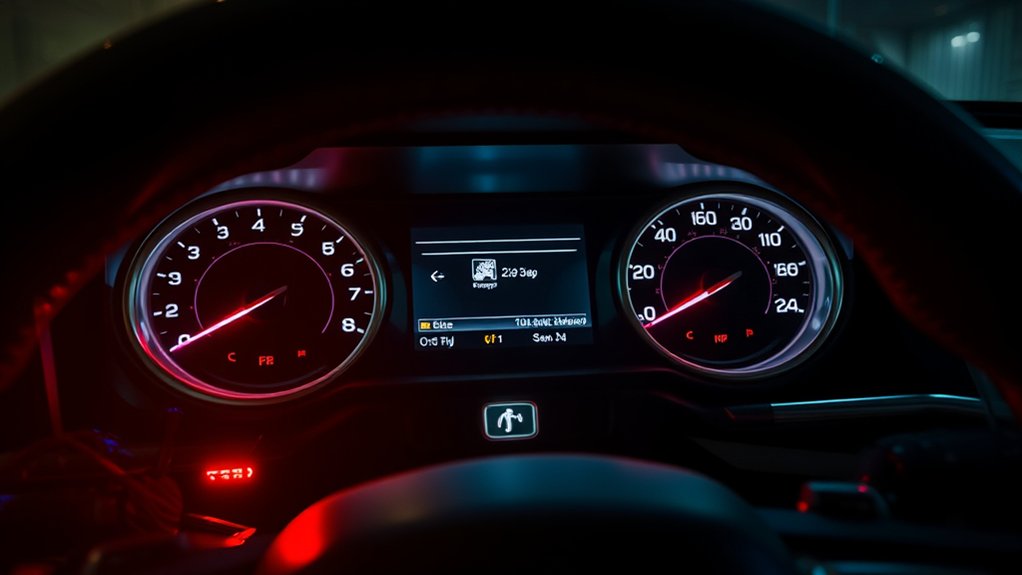
You’ll want to keep an eye on common electrical issues that can affect your Jeep Grand Cherokee’s performance.
Infotainment system glitches are also frequent and can disrupt your driving experience.
Knowing what to watch for helps you stay ahead of potential tech problems.
Common Electrical Issues
Why do Jeep Grand Cherokee owners often face electrical troubles? It usually comes down to the complex wiring and multiple electronic modules packed into the vehicle. These systems can develop faults over time, especially if exposed to moisture or wear.
Here are the common electrical issues you should watch for:
- Battery Drain – Unexpected battery loss can leave you stranded, often caused by faulty wiring or parasitic draws.
- Faulty Sensors – Problems with oxygen or wheel speed sensors can trigger warning lights and affect performance.
- Power Window Failures – Windows may stop working due to motor or switch malfunctions.
Being aware of these issues helps you address them early, keeping your Grand Cherokee reliable and safe on the road.
Infotainment System Glitches
Electrical issues in your Jeep Grand Cherokee don’t stop with sensors and wiring; the infotainment system can also act up and cause frustration. You might notice the touchscreen freezing, lagging, or becoming unresponsive, which interrupts your access to navigation or media controls.
Sometimes, the system may reboot unexpectedly or fail to connect to your smartphone via Bluetooth, making hands-free calls or streaming music difficult. Software glitches and outdated firmware often cause these problems, so keeping your system updated is essential.
If updates don’t fix the issues, you may need to visit a dealership for diagnostics or a system reset. Being aware of these common infotainment glitches helps you address them quickly and maintain a smooth driving experience.
What Off-Road Reliability Does the Jeep Grand Cherokee Offer?
When you take the Jeep Grand Cherokee off-road, its trail performance really stands out. You’ll find it handles tough terrain with confidence and durability.
Let’s explore how it holds up under harsh conditions.
Trail Performance Capabilities
Although the Jeep Grand Cherokee is well-known for its comfortable on-road ride, it doesn’t compromise when it comes to off-road reliability. When you take it off the beaten path, the Grand Cherokee offers impressive trail performance capabilities that make your adventures smoother and safer. Here’s what you can count on:
- Advanced 4×4 Systems – You’ll find options like Quadra-Trac and Quadra-Drive II, which automatically adjust power to each wheel, giving you superior traction on slippery or uneven terrain.
- Selectable Terrain Modes – Switching between Sand, Mud, Rock, and Snow lets you tailor the vehicle’s performance to match the trail conditions.
- Selec-Speed Control – This feature maintains a steady, controlled speed on steep descents, so you can focus on steering without worrying about braking.
These capabilities guarantee you’re ready for most off-road challenges.
Durability Under Harsh Conditions
How does the Jeep Grand Cherokee hold up under the toughest conditions? When you push it off-road, this SUV shows impressive durability. Its rugged frame and high-strength steel construction help it withstand impacts and rough terrain without compromising integrity.
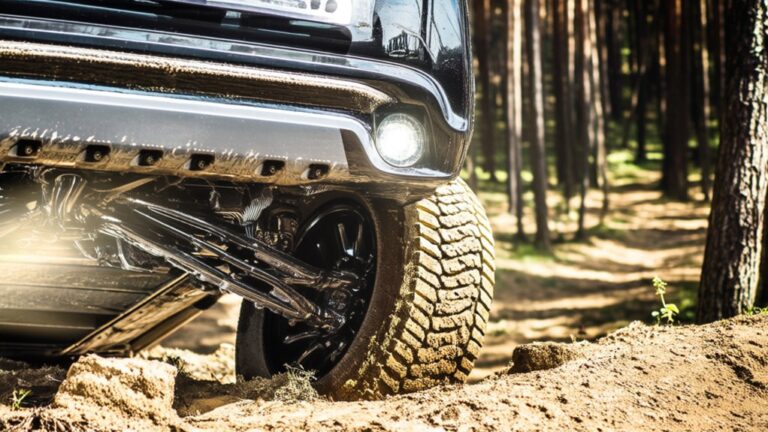
You’ll appreciate the reinforced suspension and skid plates that protect essential components from rocks and debris. The Grand Cherokee’s advanced 4×4 systems adapt to mud, snow, and uneven surfaces, ensuring you maintain control where other vehicles might falter.
Regular maintenance keeps it running smoothly, but even without constant pampering, it resists wear better than many competitors. If you’re tackling harsh environments, the Grand Cherokee offers reliable toughness that lets you focus on the adventure instead of worrying about your ride breaking down.
How Does the Jeep Grand Cherokee Perform in Everyday Driving?
If you take the Jeep Grand Cherokee for your daily drives, you’ll appreciate its balanced blend of comfort and capability. It handles city streets and highways with ease, offering a smooth ride and responsive steering. The cabin is quiet, letting you focus on the road or enjoy your favorite music without distractions.
Here’s what stands out in everyday driving:
- Comfort: Plush seats and ample legroom keep you relaxed during long commutes.
- Performance: The engine delivers enough power for quick merges and overtakes.
- Technology: User-friendly infotainment and driver-assist features enhance convenience and safety.
What Do Owner Reviews Say About Long-Term Reliability?
When you dig into owner reviews, you’ll find that many Jeep Grand Cherokee drivers appreciate its rugged durability but also point out occasional issues with electronics and maintenance costs. Owners often praise its strong engine options and off-road capability, making it a favorite for adventurous drivers. However, some mention the need for frequent repairs on electronic components and the expense of keeping it in top shape. Overall, reliability seems solid if you stay on top of upkeep.
| Positive Feedback | Common Complaints |
|---|---|
| Rugged durability | Electronics glitches |
| Powerful engine options | Higher maintenance costs |
| Comfortable interior | Occasional transmission issues |
| Strong off-road ability | Fuel economy concerns |
| Smooth ride | Expensive repairs |
How Often Does the Jeep Grand Cherokee Need Maintenance?
Although the Jeep Grand Cherokee is built for durability, you’ll need to keep up with regular maintenance to guarantee it runs smoothly. Staying on top of scheduled services helps prevent costly repairs and keeps your Jeep performing at its best.
Here’s a simple maintenance timeline to follow:
- Every 7,500 miles: Change the oil and oil filter to protect the engine.
- Every 30,000 miles: Replace the air filter and check the brake system.
- Every 60,000 miles: Inspect and possibly replace spark plugs, coolant, and transmission fluid.
Following this routine ensures your Grand Cherokee remains reliable and ready for any adventure. Don’t skip these intervals—you’ll save time and money in the long run while enjoying a safer ride.
What Are Typical Maintenance Costs for the Jeep Grand Cherokee?
You’ll want to budget for routine service expenses like oil changes and brake inspections to keep your Jeep Grand Cherokee running smoothly.
Beyond regular maintenance, some common repairs can add to your overall costs, especially as the vehicle ages. Knowing these typical expenses helps you plan and avoid surprises down the road.
Routine Service Expenses
Several factors influence the routine service expenses for your Jeep Grand Cherokee, but you can expect to spend between $300 and $600 annually on typical maintenance. How often you drive, the model year, and your local labor rates affect costs, but regular upkeep keeps your vehicle running smoothly.
Here are three common routine services you’ll encounter:
- Oil and Filter Changes – Usually every 5,000 to 7,500 miles, costing around $50 to $100.
- Tire Rotations and Balancing – Recommended every 6,000 to 8,000 miles, typically $20 to $50 per visit.
- Brake Inspections and Fluid Checks – Done during routine visits, averaging $50 to $150 depending on service needs.
Sticking to these helps avoid more costly repairs down the road.
Common Repair Costs
Expect to spend between $500 and $1,200 annually on common repairs for your Jeep Grand Cherokee, depending on its age and usage. Older models may require more frequent attention to components like brakes, suspension, and the electrical system.
You might encounter costs for replacing worn-out brake pads or addressing issues with the air suspension, which can be pricier. Routine repairs like fixing minor leaks or replacing sensors also add up over time.
While some repairs are straightforward and affordable, others—such as transmission work or engine-related fixes—can be costly. Staying on top of maintenance helps prevent expensive surprises, so budget accordingly.
How Does Jeep’s Warranty Affect Reliability?
Although a vehicle’s warranty doesn’t directly improve its mechanical reliability, Jeep’s coverage gives you peace of mind by protecting you from costly repairs during the initial years of ownership. When you drive a Jeep Grand Cherokee, you benefit from a warranty that helps manage unexpected expenses, so you won’t have to worry as much about breakdowns.
Here’s how Jeep’s warranty impacts your experience:
- Limited Basic Warranty: Covers most repairs for 3 years or 36,000 miles, reducing your out-of-pocket costs early on.
- Powertrain Warranty: Extends coverage to 5 years or 60,000 miles for critical components, offering longer-term protection.
- Roadside Assistance: Available during the warranty period, it adds convenience if you face a breakdown or flat tire.
This warranty structure helps you maintain confidence in your Grand Cherokee’s dependability.
How Does the Jeep Grand Cherokee Compare to Its Competitors?
When you compare the Jeep Grand Cherokee to its competitors, you’ll notice its strong performance and off-road capability stand out.
However, you should also consider reliability ratings and maintenance costs to get the full picture.
Let’s see how it balances these factors against other SUVs in its class.
Performance and Capability
If you’re comparing the Jeep Grand Cherokee to other midsize SUVs, you’ll notice it stands out with its impressive off-road capabilities and powerful engine options. You get a vehicle built to handle rugged terrain without sacrificing comfort or style.
Here’s how it stacks up:
- Engine Variety: You can choose from a V6, V8, or even a diesel, giving you flexibility in power and efficiency.
- Off-Road Performance: With features like Quadra-Drive II 4WD and Selec-Terrain traction management, you can confidently tackle tough trails.
- Towing Capacity: It can tow up to 7,200 pounds, which is competitive among midsize SUVs and great for hauling trailers or boats.
Reliability and Maintenance Costs
While the Jeep Grand Cherokee delivers strong performance, you might wonder how it holds up regarding reliability and maintenance costs compared to other midsize SUVs.
The Grand Cherokee generally ranks average in reliability, with some model years facing issues like electrical glitches and suspension wear.
When it comes to maintenance, you can expect slightly higher costs than competitors like the Toyota Highlander or Honda Pilot, mainly due to pricier parts and repairs.
However, if you keep up with regular servicing, these costs won’t surprise you.
The Grand Cherokee’s off-road capabilities and rugged design sometimes lead to more wear and tear, increasing upkeep expenses.
How Do Different Engine Options Impact Reliability?
Choosing the right engine for your Jeep Grand Cherokee directly affects its reliability and overall performance. Different engines come with varying maintenance needs and durability records, so it’s crucial to know what you’re getting into.
- V6 Engines – These are generally more reliable and cost-effective to maintain. They offer a good balance of power and fuel efficiency, making them a popular choice for daily driving.
- V8 Engines – While powerful and excellent for towing, V8s can be more prone to wear and may require more frequent maintenance. This can impact long-term reliability.
- Diesel Options – Known for durability and torque, diesel engines might have higher upfront costs but tend to last longer if properly maintained.
Understanding these differences helps you pick an engine that suits your needs without compromising reliability.
How Well Does the Jeep Grand Cherokee Hold Its Value Over Time?
Because resale value plays a big role in overall vehicle cost, you’ll want to know how well the Jeep Grand Cherokee holds its value over time. Generally, the Grand Cherokee retains its value reasonably well compared to other midsize SUVs, thanks to its strong brand reputation and off-road capability.
You can expect depreciation to be moderate in the first few years, but it tends to stabilize afterward. Factors like trim level, maintenance history, and mileage will influence how much value it keeps.
If you take good care of your Grand Cherokee and opt for popular trims, you’ll likely see a better resale price down the road. Overall, while it’s not the top performer in resale value, it holds up well enough to make it a solid investment.
What Do Experts Say About the Jeep Grand Cherokee’s Reliability?
Although the Jeep Grand Cherokee offers impressive off-road capabilities and comfort, experts have mixed opinions about its reliability. You’ll find that while it excels in performance, some concerns remain regarding maintenance and repair costs. Here’s what experts highlight:
- Durability: Many praise its rugged build, but some note that certain model years have recurring mechanical issues.
- Maintenance: Experts warn you about potentially higher upkeep costs compared to competitors, especially for advanced features.
- Safety and Technology: The Grand Cherokee scores well on safety tests, but some tech components have faced reliability criticism.
In short, you should weigh the benefits of the Grand Cherokee’s strengths against potential reliability challenges before making a decision.
Should You Buy New or Used for the Most Reliable Jeep Grand Cherokee?
If you want the most reliable Jeep Grand Cherokee, deciding between new or used models depends on your priorities and budget.
Buying new guarantees the latest features, full warranty coverage, and fewer chances of unexpected repairs. However, new models come at a premium price.
On the other hand, a used Grand Cherokee can offer better value if you choose a well-maintained model from recent years known for improved reliability. You’ll want to check vehicle history and get a thorough inspection.
If reliability is your top concern, newer used models from 2017 onward generally have fewer issues compared to older ones.
Ultimately, if you can afford a new Jeep, it’s the safest bet. If not, carefully selected used vehicles can still deliver dependable performance.
Frequently Asked Questions
What Are the Best Accessories for Enhancing Jeep Grand Cherokee Reliability?
You’ll want heavy-duty skid plates, all-terrain tires, a quality battery disconnect, and upgraded suspension components to boost reliability. Adding a snorkel and regular maintenance tools guarantees your Jeep Grand Cherokee handles tough conditions without breaking down.
How Does Weather Affect the Jeep Grand Cherokee’s Reliability?
Like steering through a storm at sea, harsh weather tests your Jeep Grand Cherokee’s reliability. Cold can strain its battery, while heat affects fluids. Regular maintenance guarantees you’re ready to face any weather without a hitch.
Are There Specific Driving Habits That Improve Jeep Grand Cherokee Longevity?
Yes, you should avoid aggressive acceleration and hard braking to improve your Jeep Grand Cherokee’s longevity. Regularly maintain it, keep tire pressure ideal, and don’t overload it. Gentle driving habits help reduce wear and extend its life.
What Are Common Causes of Jeep Grand Cherokee Warranty Claims?
You know what they say, “An ounce of prevention is worth a pound of cure.” Common warranty claims for your Jeep Grand Cherokee include engine issues, electrical problems, and transmission troubles—so stay proactive with maintenance to avoid costly repairs.
How Does Jeep Grand Cherokee Reliability Vary by Geographic Region?
You’ll find Jeep Grand Cherokee reliability varies by region due to climate and terrain. Harsh winters or dusty deserts can stress components more, so you’ll want to maintain it diligently if you’re in extreme weather areas.
Conclusion
If you’re wondering whether the Jeep Grand Cherokee is reliable, it’s no coincidence that its best model years often align with those praised by experts and owners alike. You’ll find that choosing the right year, engine, and buying new or used can make all the difference. So, if reliability matters to you, paying attention to these details isn’t just smart—it’s exactly what guarantees your Grand Cherokee stands the test of time.