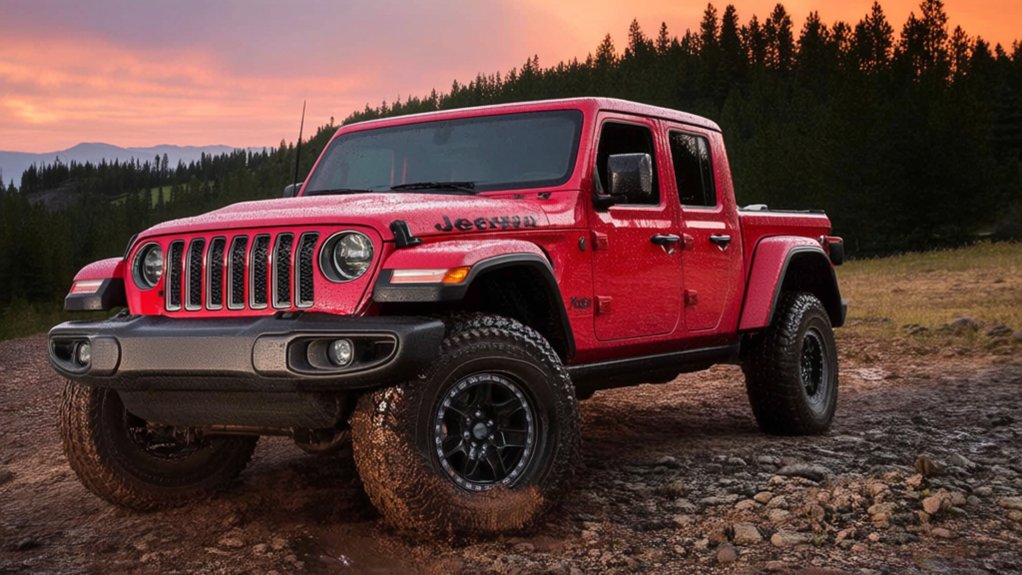
Is the Jeep Gladiator Reliable?
You can count on the Jeep Gladiator for durable, capable performance both on tough trails and daily drives, especially with regular maintenance. Its solid frame, rugged suspension, and reliable engine keep it tough, while towing and handling balance work and adventure needs. Some owners report occasional electrical and transmission quirks, but timely care diminishes issues. Jeep’s warranty adds peace of mind. Keep exploring to understand how it stacks up and what upkeep guarantees lasting reliability.
What Makes the Jeep Gladiator Reliable?

Although it’s built for rugged off-road adventures, the Jeep Gladiator doesn’t sacrifice durability or performance. You’ll find that its solid frame, derived from the Wrangler, provides a strong foundation, while high-quality materials resist wear and tear.
The Gladiator’s engine options, including the reliable V6 and efficient diesel, deliver consistent power without frequent breakdowns. Its advanced suspension absorbs shocks effectively, keeping components intact even on tough trails.
Plus, Jeep’s commitment to continuous improvement means you get updated tech and reinforced parts over time. When you maintain the Gladiator properly, its proven drivetrain and robust build help guarantee it stands up to both daily driving and demanding off-road conditions, making it a trustworthy choice for your adventures.
How Has the Jeep Gladiator Performed in Real-World Use?
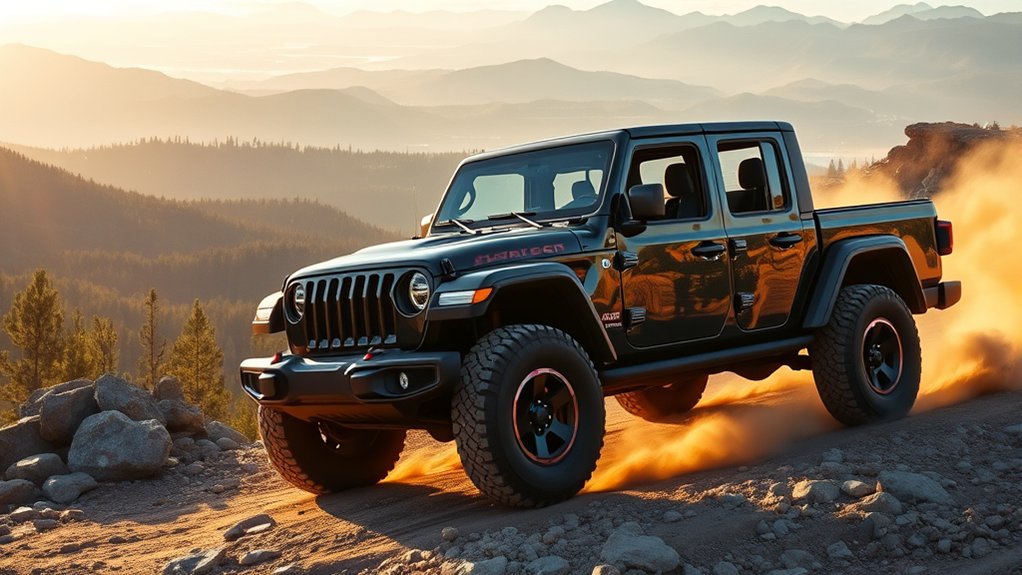
When you take the Jeep Gladiator out on the road or trail, its real-world performance quickly becomes clear. You’ll find it handles rough terrain with ease, thanks to solid suspension and responsive steering. Drivers appreciate its towing capacity and payload, making it practical for work and adventure. Fuel efficiency tends to be average, but many owners accept this trade-off for capability. Overall, the Gladiator balances ruggedness and everyday usability well.
| Aspect | Real-World Feedback | Rating (1-5) |
|---|---|---|
| Off-Road Handling | Confident, stable | 4.5 |
| Towing Capacity | Reliable for mid-range loads | 4.0 |
| Daily Driving | Comfortable, smooth | 4.0 |
| Fuel Efficiency | Moderate, expected | 3.0 |
What Are the Most Common Issues Reported by Jeep Gladiator Owners?
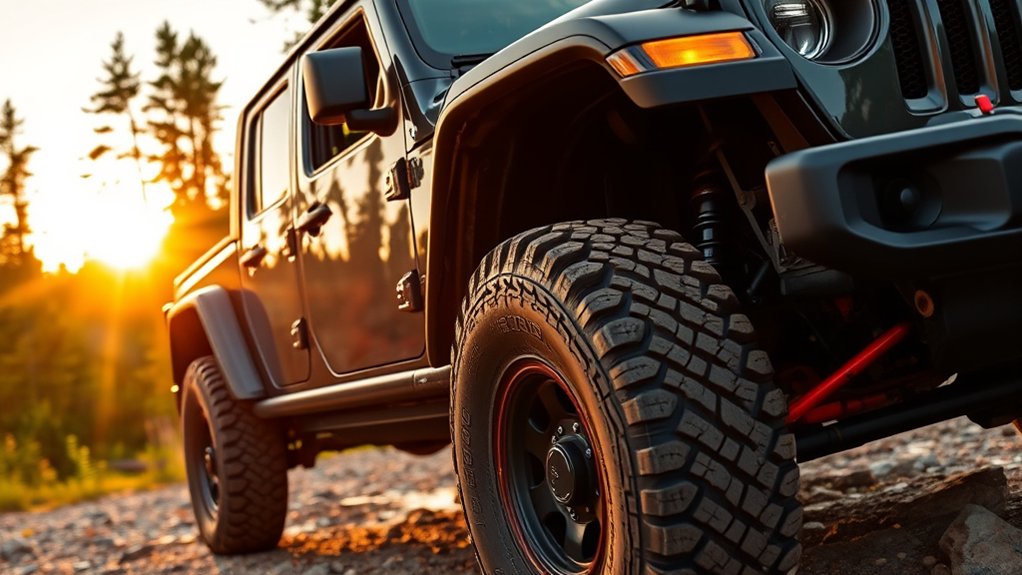
You might notice some Jeep Gladiator owners reporting engine and transmission problems that affect performance. Electrical and software glitches also come up fairly often, causing issues with vehicle systems.
Let’s take a closer look at these common concerns to understand what you might expect.
Engine And Transmission Problems
Why do some Jeep Gladiator owners face engine and transmission troubles? These issues often stem from mechanical wear and occasional design quirks. You might notice problems that impact your driving experience and vehicle longevity.
Common complaints include:
- Hesitation or rough shifting in the automatic transmission
- Transmission fluid leaks causing slippage
- Occasional engine stalling or misfires
- Excessive oil consumption leading to frequent top-ups
- Check engine light activation related to the powertrain
If you experience any of these, it’s crucial to address them early to avoid costly repairs. Regular maintenance, including timely oil changes and transmission fluid checks, helps keep your Gladiator running smoothly.
Staying proactive can significantly reduce the likelihood of severe engine and transmission failures.
Electrical And Software Glitches
How often do electrical and software glitches disrupt your Jeep Gladiator experience? Many owners report issues like malfunctioning infotainment systems, unresponsive touchscreens, and unexpected warning lights.
You might notice Bluetooth connectivity problems or the backup camera freezing, which can be frustrating on the road. Some Gladiators also experience random system reboots or delays in sensor responses, affecting features like parking assist or adaptive cruise control.
These glitches can stem from software bugs or faulty wiring, and while they rarely compromise safety, they do impact convenience. Staying updated with the latest software patches and visiting your dealer for recalls can minimize these problems.
How Does the Jeep Gladiator’s Engine Hold Up Over Time?
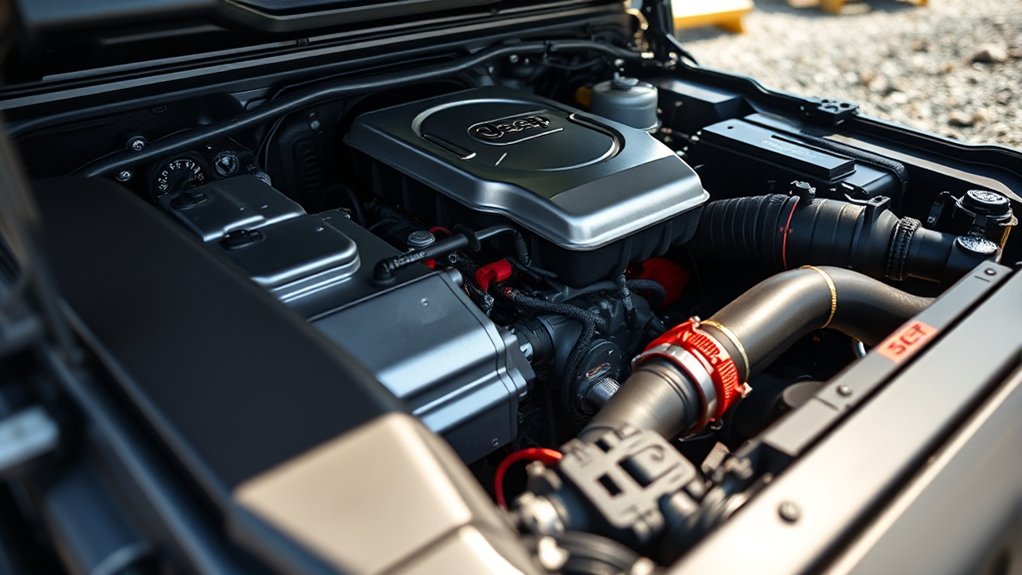
Although the Jeep Gladiator’s engine blends rugged performance with modern efficiency, its long-term durability often depends on maintenance and driving habits. If you keep up with scheduled oil changes and avoid harsh driving, the engine can stay reliable for many miles.
However, neglecting care or pushing the engine too hard may lead to issues like overheating or premature wear.
To help your Gladiator’s engine hold up over time, focus on:
- Regular oil and filter changes
- Using quality fuel and fluids
- Monitoring engine temperature
- Avoiding excessive idling or aggressive acceleration
- Addressing unusual noises or warning lights promptly
What About the Transmission and Drivetrain Reliability?
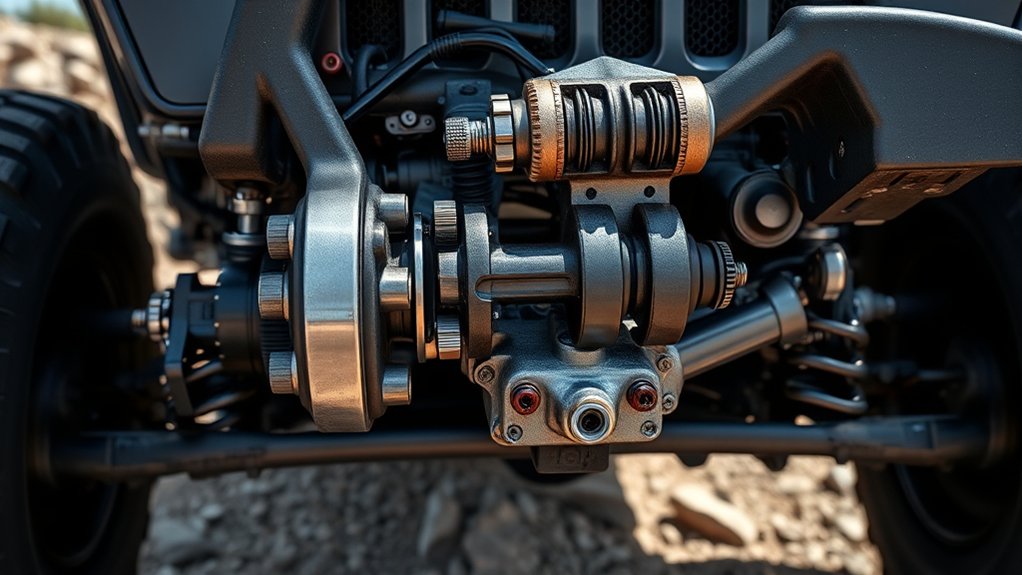
You’ll want to know how the Jeep Gladiator’s transmission performs under different conditions and whether it holds up over time. It’s also important to think about the drivetrain’s durability, especially if you plan to take your Gladiator off-road or tow heavy loads.
Let’s explore what affects these key components’ reliability.
Transmission Performance Overview
When evaluating the Jeep Gladiator’s transmission and drivetrain, you’ll want to know if they can handle both daily driving and off-road challenges without frequent issues. The Gladiator offers a smooth-shifting 6-speed manual and an 8-speed automatic transmission.
Both perform well under various conditions, delivering reliable power transfer and responsiveness. You can expect:
- Crisp gear changes with minimal hesitation
- Durable components built for rugged use
- Efficient power distribution in 4WD mode
- Responsive torque management on inclines
- Low reported transmission failures in owner surveys
While occasional software updates may improve shifting feel, most drivers find the transmissions dependable.
Drivetrain Durability Factors
Since the transmission plays an essential role in the Jeep Gladiator’s drivetrain, understanding its durability helps you gauge overall reliability.
The Gladiator typically uses a robust 6-speed manual or an 8-speed automatic transmission, both designed to handle off-road stress and towing demands.
You’ll find that regular maintenance, like fluid changes, is key to avoid premature wear.
The drivetrain, including the transfer case and differentials, is built for rugged use but can suffer if you push it beyond limits without proper care.
Pay attention to any unusual noises or shifting issues—they can signal drivetrain problems early.
How Does Jeep Gladiator’s Off-Road Ability Affect Reliability?
Although the Jeep Gladiator’s off-road capabilities make it a favorite among adventure seekers, they can also impact its reliability in unique ways. When you push the Gladiator through tough terrains, you increase wear and tear on key components, potentially leading to more frequent maintenance.
Off-roading stresses the suspension, drivetrain, and undercarriage, demanding more attention to keep everything in good shape. To maintain reliability, you should focus on:
- Regularly inspecting suspension and steering parts
- Checking for damage to the undercarriage
- Monitoring drivetrain fluids and seals
- Cleaning debris from critical components after trails
- Replacing worn tires and brakes promptly
What Do Owner Reviews Say About Daily Driving Reliability?
When you check owner reviews, you’ll find useful insights on common reliability issues and how the Gladiator performs in everyday driving.
You’ll also get a clear picture of maintenance and repair costs. Understanding these experiences helps you decide if the Gladiator fits your daily needs.
Common Reliability Issues
You might notice a few recurring issues reported by Jeep Gladiator owners that could affect daily driving reliability. While many enjoy the truck’s versatility, some common problems keep popping up. These issues might influence your overall experience if you’re considering the Gladiator for everyday use.
Here are five frequent concerns owners mention:
- Electrical glitches, such as touchscreen and connectivity problems
- Transmission shifting hesitations or roughness
- Premature wear on suspension components
- Occasional fuel system warnings or sensor malfunctions
- Minor leaks or rattles around doors and tailgate
Being aware of these can help you decide if the Gladiator fits your daily needs. Checking how dealerships handle repairs and warranty coverage is also a smart move before buying.
Performance In Everyday Use
Understanding common reliability issues sets the stage for evaluating how the Jeep Gladiator performs day-to-day.
When you drive a Gladiator regularly, you’ll notice it handles well on both city streets and rougher terrain, offering a smooth, confident ride. Owners often praise its strong engine and responsive transmission, which make daily commutes and weekend adventures equally enjoyable.
However, some report occasional minor quirks like infotainment glitches or stiff steering at low speeds. Despite these, most drivers find the Gladiator dependable for everyday use, appreciating its ruggedness without constant worry about breakdowns.
If you value a versatile vehicle that balances off-road capability with daily practicality, the Gladiator generally meets those expectations according to owner feedback.
Maintenance And Repair Costs
Although the Jeep Gladiator offers solid daily driving reliability, maintenance and repair costs are a key concern for many owners. You’ll find that while routine upkeep is manageable, some repairs can get pricey, especially as mileage climbs.
Owner reviews often highlight the importance of staying on top of scheduled maintenance to avoid unexpected issues. Common points they mention include:
- Regular oil changes and brake inspections keep costs down
- Tire wear can be higher due to off-road use
- Parts for the Gladiator may be pricier than average pickups
- Some owners report occasional electrical glitches requiring dealer visits
Extended warranties or service plans can provide peace of mind.
How Jeep’s Warranty Supports Gladiator Reliability
Since buying a vehicle is a significant investment, Jeep’s warranty plays an essential role in ensuring the Gladiator’s reliability. When you purchase a Gladiator, you get a basic limited warranty covering three years or 36,000 miles, whichever comes first. This covers most repairs and defects, giving you peace of mind.
Additionally, the powertrain warranty lasts five years or 60,000 miles, protecting critical components like the engine and transmission.
Jeep also offers roadside assistance during the warranty period, so you’re supported if unexpected issues arise. These warranties show Jeep’s confidence in the Gladiator’s build quality and help reduce your out-of-pocket expenses, making ownership less stressful.
Having this coverage means you can rely on your Gladiator with greater assurance.
How Does the Jeep Gladiator Compare to Other Midsize Trucks?
How does the Jeep Gladiator compare to other midsize trucks regarding reliability, performance, and overall value? You’ll find the Gladiator stands out with its unique blend of off-road capability and everyday usability. It offers solid reliability but may require more upkeep than some competitors due to its specialized components.
When you weigh its strengths, consider these points:
- Exceptional off-road performance unmatched in its class
- Strong towing and payload capacity for a midsize truck
- Distinctive styling and removable roof add versatility
- Slightly lower fuel efficiency compared to rivals
- Competitive warranty and customer support
Choosing the Gladiator means valuing rugged adventure without sacrificing practicality, though you might trade some maintenance ease for that capability.
What Maintenance Tips Help Keep the Jeep Gladiator Reliable?
To keep your Jeep Gladiator reliable, you’ll want to follow a consistent maintenance routine tailored to its rugged design. Regular oil changes, tire rotations, and brake inspections are essential. You should also keep an eye on the suspension and drivetrain, especially if you take your Gladiator off-road. Staying on top of fluid levels and replacing filters promptly helps prevent issues. Here’s a quick guide:
| Maintenance Task | Frequency | Why It Matters |
|---|---|---|
| Oil Change | Every 6,000 miles | Keeps engine running smoothly |
| Tire Rotation | Every 6,000 miles | Ensures even tire wear |
| Brake Inspection | Every 12,000 miles | Maintains stopping power |
Should You Buy a New or Used Jeep Gladiator for Reliability?
Deciding whether to buy a new or used Jeep Gladiator depends largely on your priorities for reliability and budget.
If you want peace of mind with the latest features and a full warranty, a new Gladiator is your best bet.
On the other hand, a used model can save you money but may come with unknown maintenance history.
Consider these factors when choosing:
- New Gladiators offer the latest tech and factory warranty
- Used Gladiators might have lower upfront costs
- Check vehicle history reports carefully on used models
- Maintenance records influence reliability of used vehicles
- New models typically require less immediate repair
Weigh your needs for reliability, cost, and risk to make the best decision for your Gladiator purchase.
Frequently Asked Questions
What Are the Fuel Efficiency Ratings of the Jeep Gladiator?
You can expect the Jeep Gladiator to get around 16-17 MPG in the city and 21-22 MPG on the highway, depending on the model and engine. It’s decent for a midsize pickup truck overall.
How Customizable Is the Jeep Gladiator for Different Uses?
You’ll find the Jeep Gladiator highly customizable, with options for off-road upgrades, bed accessories, roof racks, and interior tech. It adapts easily for work, adventure, or daily driving, letting you tailor it to your needs.
What Safety Features Come Standard on the Jeep Gladiator?
You get advanced airbags and blind-spot monitoring, but no lane-keeping assist standard. While the Gladiator’s rugged look suggests rough-and-ready, it actually offers modern safety tech like rear cross-path detection to keep you secure on and off-road.
How Does the Jeep Gladiator Handle in Snowy Conditions?
You’ll find the Jeep Gladiator handles snowy conditions well, thanks to its four-wheel drive and high ground clearance. It provides good traction and stability, but you should still drive cautiously on icy or deep snow surfaces.
What Technology and Infotainment Options Are Available in the Gladiator?
You’ll find the Gladiator’s technology is a treasure chest, packed with an 8.4-inch touchscreen, Apple CarPlay, Android Auto, and available navigation. It keeps you connected and entertained, turning every drive into a seamless adventure.
Conclusion
If you want a rugged truck that handles tough terrain, holds up over time, and comes backed by solid warranty support, the Jeep Gladiator fits the bill. If you want a vehicle that balances power, comfort, and reliability, it’s a strong contender. If you want to avoid common issues and keep your truck running smoothly, regular maintenance is key. In short, the Gladiator delivers reliability through performance, protection, and proper care.