How to Put Premium Gas in My Jeep Wrangler
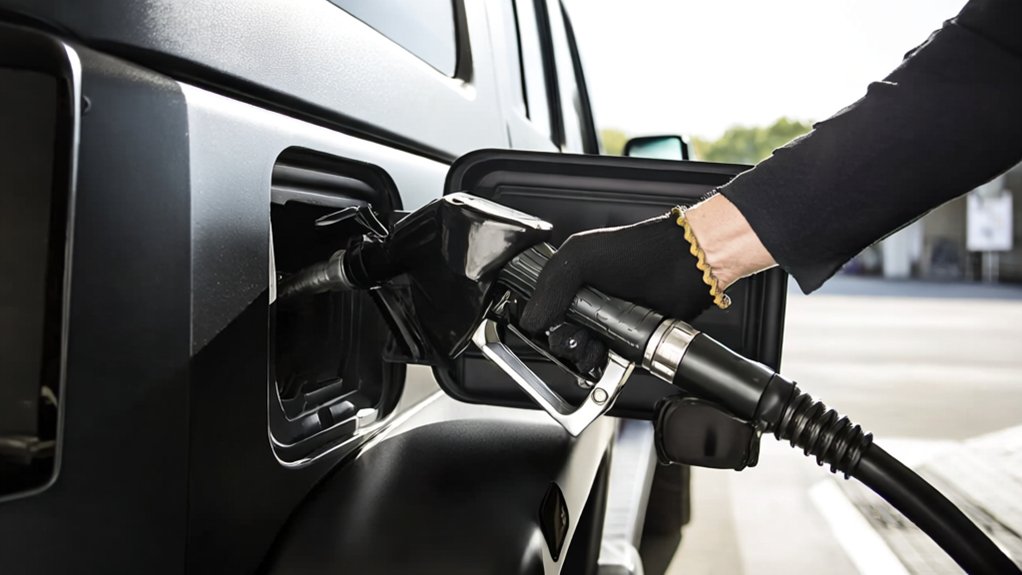
To put premium gas in your Jeep Wrangler, first select the pump labeled “Premium” or with at least 91 octane. Insert the nozzle carefully to avoid spills and guarantee it fits snugly. After fueling, securely replace the gas cap to prevent leaks. Always check your owner’s manual to confirm if premium fuel is needed for your model. Following these steps helps protect your engine and boost performance. Keep exploring to discover how premium fuel can enhance your Jeep’s efficiency and power.
Key Takeaways
- Locate the pump labeled “Premium” or with octane rating 91+ at the fuel station.
- Insert the fuel nozzle carefully into the Jeep Wrangler’s fuel tank opening to avoid spills.
- Ensure the nozzle fits snugly and the pump is clean and free from debris before fueling.
- Fill the tank with premium gas and avoid topping off to prevent overflow and contamination.
- After fueling, replace the gas cap tightly to maintain a proper seal and prevent leaks.
Does Your Jeep Wrangler Need Premium Gas?
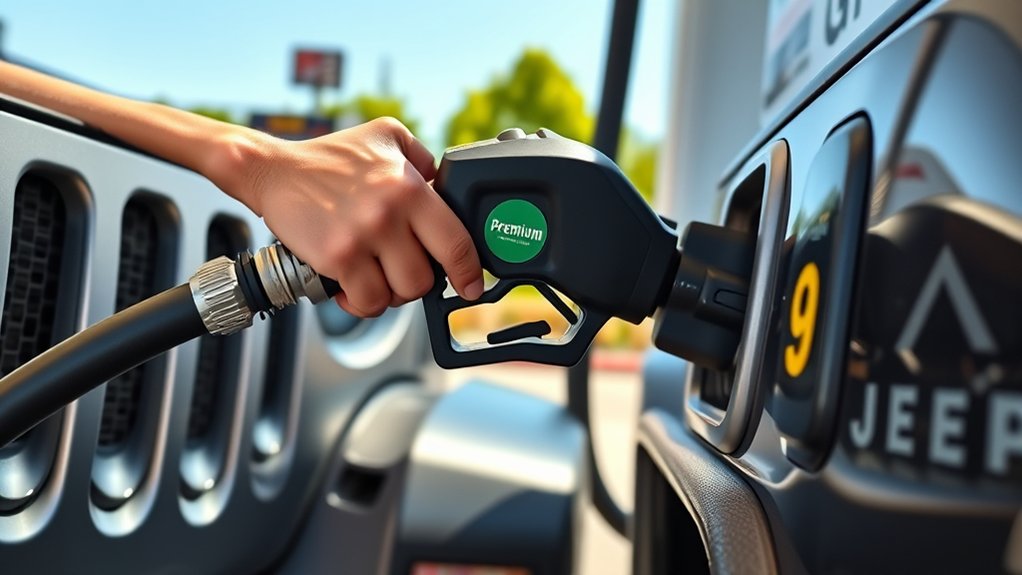
Wondering if your Jeep Wrangler really needs premium gas? Most Wranglers run perfectly fine on regular unleaded fuel. Unless your specific model’s manual explicitly recommends premium, you don’t have to spend extra at the pump.
Premium gas mainly benefits engines with higher compression ratios or turbochargers that demand higher octane to prevent knocking. Your Wrangler’s engine is typically designed to handle regular fuel without performance or efficiency loss.
Using premium when it’s not required won’t boost horsepower or mileage—it just costs more. However, if you notice knocking or pinging sounds during acceleration, it might be worth trying premium to see if it helps.
Otherwise, stick to the manufacturer’s fuel recommendation to keep your Jeep running smoothly without unnecessary expenses.
What Octane Ratings Mean for Your Jeep
How do octane ratings affect your Jeep’s performance? Octane ratings measure a fuel’s ability to resist knocking or pinging during combustion. If your Jeep’s engine requires higher octane fuel, using lower octane can cause knocking, which reduces efficiency and might damage the engine over time.
Octane ratings indicate fuel’s resistance to knocking, crucial for maintaining your Jeep’s engine efficiency and longevity.
Higher octane fuels burn more steadily under compression, which helps high-performance engines run smoothly.
Your Jeep Wrangler’s manufacturer specifies the minimum octane rating for ideal operation—usually found in the owner’s manual or inside the fuel door. Using fuel with the recommended octane ensures your engine delivers power without knocking.
If you choose a lower octane than recommended, your Jeep may experience reduced acceleration and fuel economy. Understanding octane ratings helps you fuel your Jeep correctly and maintain its performance.
Why Premium Gas Benefits Your Jeep’s Engine
You’ll notice your Jeep runs smoother and responds better when you use premium gas. It helps your engine perform at its best by reducing knocking and improving combustion.
Plus, you might see better fuel efficiency on your next drive.
Enhanced Engine Performance
Why does using premium gas make a noticeable difference in your Jeep Wrangler’s engine performance? Premium gas has a higher octane rating, which prevents knocking and allows your engine to run smoother and more efficiently. This means your Jeep can deliver better acceleration, more power, and improved responsiveness. When your engine operates without knocking, it maintains ideal combustion timing, which protects crucial components and enhances overall performance.
| Aspect | Regular Gas | Premium Gas |
|---|---|---|
| Octane Rating | 87 | 91-93 |
| Engine Knocking | More likely | Less likely |
| Performance Output | Standard acceleration | Enhanced acceleration |
Using premium gas lets you get the most out of your Jeep’s engine design.
Improved Fuel Efficiency
Beyond boosting your Jeep Wrangler’s performance, premium gas also helps improve fuel efficiency. When you use premium fuel, your engine burns cleaner and more completely, which means you get more power from each gallon. This efficient combustion reduces wasted fuel and helps your Jeep travel farther on the same amount of gas.
Plus, premium fuel’s higher octane rating prevents knocking and pinging, allowing your engine to run smoother and maintain *ideal* timing. Over time, this not only saves you money at the pump but also reduces engine strain and wear.
How to Find the Right Fuel Type in Your Owner’s Manual
Although many drivers assume premium gas is always necessary, the best way to know the right fuel type for your Jeep Wrangler is to check your owner’s manual. This manual provides specific recommendations based on your model and engine type.
Look under sections like “Fuel Requirements” or “Specifications.” You’ll find details about the minimum octane rating your engine needs to perform effectively.
Using the recommended fuel helps maintain engine health and efficiency. If you don’t have a physical copy, you can usually access the manual online through Jeep’s official website by entering your vehicle’s year and model.
Following the manual’s guidance ensures you use the proper fuel, avoiding unnecessary expenses or potential engine issues. Always trust the owner’s manual as your primary fuel reference.
What Happens If You Use Regular Gas Instead of Premium?
If you use regular gas instead of premium in your Jeep Wrangler, you might notice a drop in engine performance and fuel efficiency.
Your engine could also experience knocking or pinging, which can cause damage over time.
Understanding these effects helps you decide why sticking to premium fuel matters.
Engine Performance Impact
How does using regular gas instead of premium affect your Jeep Wrangler’s engine performance? If your Wrangler is designed for premium fuel, using regular gas can lead to noticeable changes. Here’s what you might experience:
- Reduced Power – Regular gas can cause your engine to produce less horsepower, making acceleration feel sluggish.
- Engine Knocking – Lower octane fuel can trigger knocking or pinging sounds, which can harm your engine over time.
- Decreased Responsiveness – The engine may hesitate or feel less smooth during throttle input.
- Potential Long-term Damage – Continuous use of regular gas might strain engine components built for higher octane, reducing overall longevity.
To keep your Jeep running at its best, stick with premium fuel as recommended.
Fuel Efficiency Changes
Using regular gas in your Jeep Wrangler doesn’t just affect engine performance—it also impacts fuel efficiency. Since your Wrangler is designed to run on premium gasoline, using regular fuel can cause the engine to run less efficiently.
This means you might notice a drop in miles per gallon, making your trips more expensive over time. The engine’s computer may try to compensate for the lower octane by adjusting timing, but this often leads to incomplete combustion.
As a result, you’ll burn more fuel to get the same power output. While it won’t cause an immediate drastic drop, over time, regular gas can reduce your Wrangler’s fuel economy, making premium gas a better choice for getting the most out of your tank.
Potential Long-Term Damage
Though it might seem harmless at first, consistently filling your Jeep Wrangler with regular gas can cause serious long-term damage to the engine. Your Wrangler’s engine is designed to run on premium gas, which has a higher octane rating to prevent knocking. Using regular gas can lead to:
- Engine Knocking: Regular gas may cause knocking, which damages pistons over time.
- Reduced Performance: Your engine won’t perform ideally, affecting acceleration and power.
- Increased Deposits: Lower-octane fuel leads to carbon buildup, harming fuel injectors and valves.
- Potential Overheating: Inefficient combustion can raise engine temperatures, risking damage.
To protect your Jeep’s longevity, it’s best to stick with premium gas as recommended.
Can You Mix Regular and Premium Gas in Your Jeep?
Even if your Jeep Wrangler recommends premium gas, you might wonder if blending regular and premium fuel is safe or effective. You can combine them occasionally without causing immediate harm, but it’s not ideal for consistent use. Your engine is tuned for a specific octane level, so blending fuels might reduce performance or efficiency.
Here’s a quick guide:
| Situation | Mixing Allowed? | Effect on Jeep |
|---|---|---|
| Emergency fill-up | Yes | Temporary, minor impact |
| Regular use | No | Potential knocking, lower power |
| Occasional mixture | Yes | Usually safe, slight efficiency |
Stick to premium for optimal performance, but a blend won’t ruin your Jeep if done rarely.
How to Safely Fill Your Jeep With Premium Gas
When filling your Jeep with premium gas, make sure you choose the pump labeled for premium fuel to avoid any engine issues.
Always insert the nozzle carefully to prevent spills that can damage your paint or create hazards.
Taking these simple steps helps keep your Jeep running smoothly and your refueling safe.
Choosing The Right Pump
How do you know which pump is best for filling your Jeep Wrangler with premium gas? Start by locating the pump labeled “Premium” or “91 Octane” to ensure you’re using the right fuel grade.
Next, check that the pump is clean and free of debris to avoid contamination. Also, choose a pump with a working nozzle that fits snugly in your gas tank to prevent spills.
Finally, if possible, select a pump near the front of the station; these tend to have fresher fuel due to frequent turnover.
Here’s a quick checklist:
- Confirm the pump dispenses premium gas (91+ octane).
- Inspect the pump for cleanliness.
- Ensure the nozzle fits securely.
- Pick a pump in a high-traffic area for fresh fuel.
Following these tips helps keep your Jeep running smoothly.
Avoiding Fuel Spills
After selecting the right pump for your Jeep Wrangler, the next step is to fill your tank without causing fuel spills. First, confirm the nozzle fits securely into the fuel filler neck to prevent leaks. Insert it fully and hold it steady throughout the process.
Avoid overfilling by stopping once the automatic shutoff clicks. If you accidentally spill fuel, wipe it up immediately with a cloth or paper towel to prevent damage to your Jeep’s paint and minimize fire risk.
Never rush or try to force the pump; patience helps maintain control. Finally, always replace the gas cap tightly to avoid vapor leaks.
Following these steps keeps the fueling process safe, clean, and efficient for your Jeep Wrangler.
Tips to Avoid Fuel Contamination When Filling Your Jeep
Because fuel contamination can damage your Jeep’s engine and reduce performance, you should take steps to prevent dirt, water, and debris from entering the gas tank while filling up. Here are four tips to help you keep your fuel clean and your engine running smoothly:
Prevent fuel contamination to protect your Jeep’s engine and maintain optimal performance during refueling.
- Check the gas cap seal to ensure it’s tight and undamaged before refueling.
- Avoid topping off the tank to prevent overflow and potential contamination.
- Use a clean funnel or nozzle if you’re adding fuel from a portable container.
- Refuel during busy hours when the station’s tanks are more likely to be fresh and well-maintained.
Following these steps helps maintain your Jeep’s performance and protects your engine from costly damage.
How to Spot Premium Gas Pumps at the Station
When you pull up to the pump, look for the octane rating clearly displayed—premium gas usually has a rating of 91 or higher. Check the labels on the pump handle or stickers that say “Premium” or “Plus.”
Premium fuel options are often grouped together or placed in a distinct section, making them easier to find.
Recognizing Octane Ratings
How can you quickly identify premium gas pumps at the station? The key is understanding octane ratings, which measure fuel’s ability to resist knocking. Premium gas usually has a higher octane rating than regular fuel.
Here’s how to recognize it:
- Look for the octane number prominently displayed—premium is typically 91 or higher.
- Check the pump’s color coding; many stations use colors like green or orange for premium.
- Read the numeric label near the fuel nozzle indicating octane levels.
- Remember, your Jeep Wrangler’s manual will specify the required octane rating, so match that number.
Identifying Pump Labels
Understanding octane ratings gives you a solid foundation, but spotting premium gas at the station also means paying close attention to the labels on each pump. Look for terms like “Premium,” “Plus,” or “Super” which typically indicate higher octane fuel.
The octane number is usually displayed prominently—premium gas is often marked as 91 or above. Don’t be misled by color codes; they vary by region and brand, so focus on the written labels instead.
Some pumps also include “Top Tier” badges, signaling quality additives, but the octane number remains your key guide. Before fueling, check the pump’s sticker or digital display to confirm you’re selecting the right option for your Jeep Wrangler’s performance needs.
Locating Premium Fuel Options
Since premium gas is essential for your Jeep Wrangler’s ideal performance, you need to quickly identify the right pumps at the station. Premium fuel usually stands out if you know what to look for. Here’s how to spot those premium gas pumps:
- Check the Octane Number: Look for labels displaying 91 or higher octane ratings.
- Color-Coded Handles: Many stations use green or gold handles for premium fuel.
- Look for “Premium” Signs: The pump or nearby signage often explicitly states “Premium.”
- Pump Positioning: Premium options are often grouped together or placed separately from regular fuels.
What to Do If You Accidentally Put Regular Gas in Your Jeep
Even if your Jeep Wrangler requires premium gas, accidentally filling it with regular won’t necessarily cause immediate damage. If you catch it before starting the engine, drain the tank and refill with premium to avoid potential issues.
If you’ve already driven a short distance, don’t panic; modern engines can often handle one tank of lower-octane fuel without harm. However, try to fill up with premium as soon as possible to help clear out the regular gas.
Pay attention to any knocking or unusual engine sounds, and if you notice any, have a mechanic check it. Avoid running the tank low on regular gas, as this can increase the risk of engine knocking or reduced performance over time.
How Premium Gas Affects Your Jeep’s Performance and Fuel Economy
When you use premium gas in your Jeep Wrangler, you can notice a difference in how smoothly the engine runs and how efficiently it performs. Premium gas has a higher octane rating, which helps prevent engine knocking and allows the engine to operate at peak efficiency. This can lead to better acceleration and responsiveness.
Using premium gas in your Jeep Wrangler enhances engine smoothness and boosts overall performance.
Here’s how premium gas affects your Jeep’s performance and fuel economy:
- Improved engine efficiency – Higher octane fuel burns cleaner and more evenly.
- Enhanced power output – Your engine can deliver more horsepower without knocking.
- Better fuel economy – Efficient combustion means you get more miles per gallon.
- Reduced engine wear – Smoother combustion lowers stress and prolongs engine life.
How Often Should You Use Premium Gas in Your Jeep Wrangler?
Although using premium gas can boost your Jeep Wrangler’s performance, you don’t always have to fill up with it. If your Wrangler’s owner’s manual recommends premium fuel, it’s best to stick with it consistently for ideal engine health and power.
However, if premium gas is only suggested and not required, you can use regular gas for everyday driving without causing harm.
Consider using premium gas during heavy towing, off-roading, or when you want maximum performance, as higher octane fuel helps prevent knocking under stress.
For routine city or highway driving, regular gas usually suffices.
Ultimately, balance your use of premium gas based on your driving conditions and manufacturer recommendations to keep your Jeep running smoothly without overspending at the pump.
How to Maintain Your Jeep’s Engine When Using Premium Gas
Since premium gas can enhance your Jeep Wrangler’s performance, you’ll want to maintain your engine properly to maximize these benefits. Using higher-octane fuel means your engine runs cleaner and more efficiently, but it still needs regular care.
Premium gas boosts your Jeep Wrangler’s performance, but consistent engine maintenance is essential to fully enjoy its benefits.
Here’s how you can keep your engine in top shape:
- Regular Oil Changes: Use the recommended oil type and change it on schedule to keep engine parts lubricated.
- Check Spark Plugs: Inspect and replace spark plugs as needed to ensure peak combustion.
- Monitor Air Filter: Replace the air filter regularly to allow proper air flow and fuel mixture.
- Use Fuel System Cleaner: Add a fuel system cleaner occasionally to prevent deposits and maintain injector performance.
Following these steps will help your Jeep’s engine run smoothly with premium gas.
Performance Signs Your Jeep Shows When Benefiting From Premium Gas
If you start noticing smoother acceleration and improved throttle response, your Jeep Wrangler is likely benefiting from premium gas. You’ll feel the engine running cleaner and more efficiently, especially during uphill climbs or when towing.
Premium fuel’s higher octane prevents knocking and pinging, so you won’t hear those distracting noises under heavy load. You might also observe better overall engine performance, including quicker starts and steadier idling.
Fuel combustion improves, which can lead to a subtle boost in horsepower and torque you can feel while driving. These signs indicate that your Wrangler’s engine is optimizing the premium fuel’s properties, delivering a more refined driving experience without the hesitation or roughness sometimes caused by regular gasoline.
Keep an eye out for these indicators to confirm premium gas is working for you.
Final Tips for Maximizing Your Jeep Wrangler’s Fuel Efficiency
To get the most out of your Jeep Wrangler’s fuel efficiency, you’ll want to adopt a few simple habits that complement using premium gas. These small changes can make a big difference over time.
- Maintain Proper Tire Pressure – Underinflated tires reduce mileage, so check and adjust pressure regularly.
- Drive Smoothly – Avoid rapid acceleration and hard braking to conserve fuel.
- Limit Idling – Turn off your engine when stopped for extended periods to save gas.
- Keep Up with Maintenance – Regular oil changes and air filter replacements help your engine run efficiently.
Frequently Asked Questions
Can Premium Gas Help in Extreme Weather Conditions?
Yes, premium gas can help in extreme weather by improving engine performance and preventing knocking. You’ll notice smoother starts and better efficiency in cold or hot conditions, especially if your vehicle’s engine is designed for higher-octane fuel.
Does Using Premium Gas Affect My Jeep’s Warranty?
Think of your warranty as a safety net—using premium gas won’t void it unless your Jeep’s manual specifically requires regular fuel. Always check your owner’s guide; otherwise, you’re safe to fuel up without worrying about warranty risks.
Are There Environmental Benefits to Using Premium Gas?
You won’t see significant environmental benefits using premium gas unless your engine requires it, as it burns cleaner with fewer emissions. Otherwise, regular gas works fine and keeps your Jeep efficient without extra environmental impact.
How Does Premium Gas Affect Jeep Wrangler Resale Value?
Using premium gas can slightly boost your Jeep Wrangler’s resale value by showing you cared for its engine, but it won’t dramatically increase worth. Buyers mainly focus on maintenance, mileage, and condition over fuel type history.
Can Premium Gas Improve Off-Road Performance?
Yes, using premium gas can improve your Jeep Wrangler’s off-road performance by providing better combustion and power. You’ll notice smoother acceleration and enhanced engine response, especially under demanding conditions like steep climbs or rough terrain.
Conclusion
Using premium gas in your Jeep Wrangler can boost performance and protect your engine, but skipping it might save money upfront while risking long-term issues. You want power and longevity, not just convenience. By following your owner’s manual and maintaining your engine, you balance efficiency with care. So, choose premium to release your Jeep’s full potential—or settle for less and feel the difference. It’s your ride; fuel it wisely.