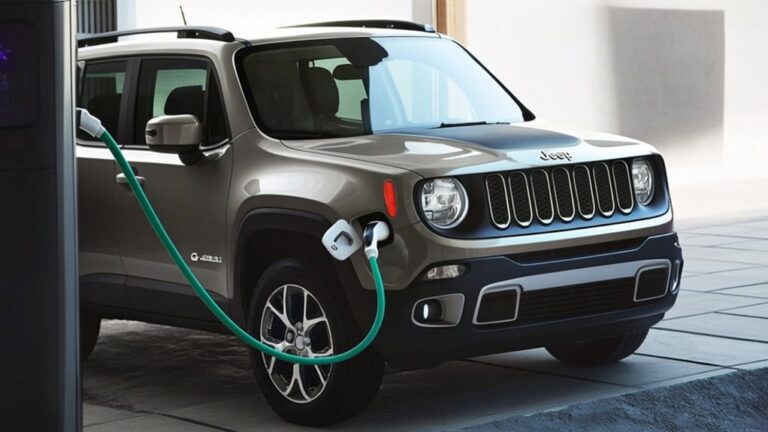
What Gas Does a Jeep Compass Take?
Your Jeep Compass typically runs best on regular unleaded gasoline with an 87 octane rating unless your specific model or engine type requires otherwise. Using the recommended fuel prevents engine knocking, guarantees smooth performance, and helps maintain your vehicle’s longevity and warranty. Premium gas usually isn’t necessary unless specified for high-performance trims or turbocharged engines. Choosing quality fuel and following proper fueling habits can keep your Compass running reliably. Keep exploring to understand how fuel choice impacts performance and maintenance.
What Type of Gas Does a Jeep Compass Require?
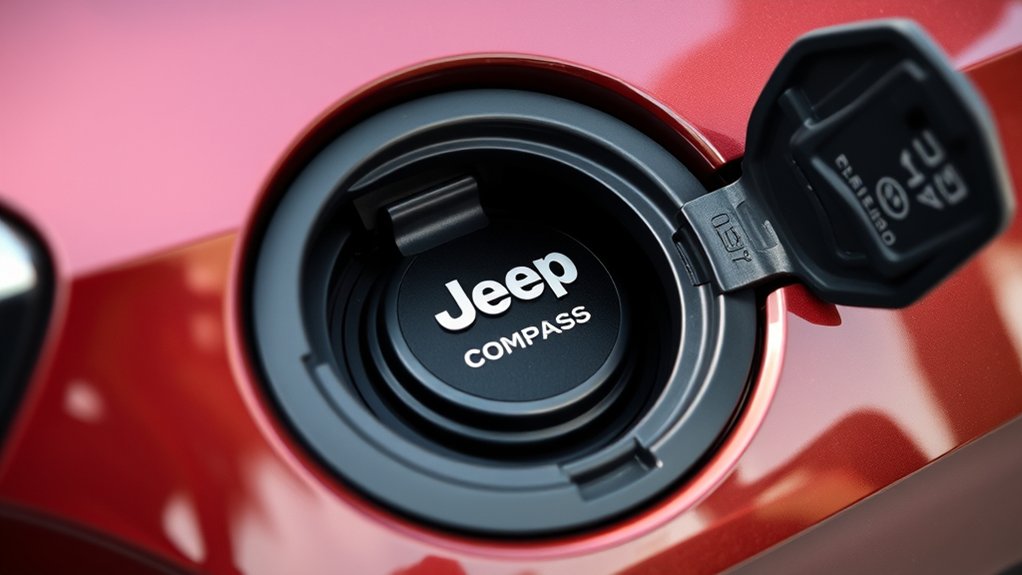
Although the Jeep Compass can run on regular unleaded gasoline, using the recommended octane level guarantees peak performance and fuel efficiency. Most Compass models specify regular unleaded fuel with an octane rating of 87. This means you don’t need premium gas, which saves you money at the pump.
You should check your owner’s manual to confirm the exact requirement for your model year, as some trims might have slight variations. Filling up with the right gas ensures your engine operates smoothly and maintains maximum power.
Avoid guessing or using higher octane than necessary since it won’t improve performance and only costs more. Stick to the manufacturer’s guidelines, and you’ll keep your Jeep running efficiently without unnecessary expenses.
Why Using the Right Gas Protects Your Jeep Compass Engine
Using the right gas protects your Jeep Compass engine by preventing knocking and guaranteeing ideal combustion. When you use the recommended fuel, the engine operates smoothly, avoiding premature wear caused by inefficient burning.
If you choose lower-grade gas, your engine might experience knocking, which can damage pistons and valves over time. This not only reduces your Jeep’s lifespan but can also lead to costly repairs.
Additionally, the right gas helps maintain perfect engine temperature and performance, reducing stress on engine components. By sticking to the proper fuel type, you keep your engine clean, improve fuel efficiency, and guarantee reliable power delivery.
Ultimately, using the correct gas safeguards your investment and keeps your Jeep Compass running at its best.
How Octane Ratings Affect Jeep Compass Performance
Understanding octane ratings helps you choose the right fuel for your Jeep Compass. Higher octane can improve engine efficiency and reduce knocking.
You’ll also want to take into account how octane affects your fuel economy on the road.
Octane Rating Basics
When you choose the right octane rating for your Jeep Compass, you guarantee the engine runs smoothly and efficiently. Octane rating measures gasoline’s ability to resist knocking or pinging during combustion.
If you use fuel with too low an octane, your engine might experience knocking, which can damage components over time. Conversely, using a higher octane than recommended doesn’t provide extra benefits and can be an unnecessary expense.
Most Jeep Compass models are designed to run well on regular unleaded gasoline with an octane rating of 87. Always check your owner’s manual to confirm the recommended octane.
Using the correct rating helps maintain proper combustion and protects your engine from premature wear, ensuring your Jeep performs reliably every time you hit the road.
Impact on Engine Efficiency
Choosing the right octane rating doesn’t just prevent engine knocking—it directly influences how efficiently your Jeep Compass runs. Using the recommended octane level ensures your engine operates smoothly, delivering ideal power and performance.
If you use a lower octane than suggested, your engine may struggle, reducing efficiency and potentially causing damage over time.
Here’s how octane ratings impact your Compass:
- Higher octane fuels resist premature ignition, keeping combustion controlled
- Proper octane prevents knocking, protecting engine components
- Correct octane maximizes power output during acceleration
- Using recommended octane maintains smooth engine operation
- Avoiding lower octane helps sustain long-term engine health
Fuel Economy Considerations
How does the octane rating of your fuel affect the Jeep Compass’s fuel economy? Using the recommended octane level guarantees your engine runs efficiently, maximizing miles per gallon.
If your Compass requires regular unleaded 87 octane, sticking to it helps prevent knocking and maintains ideal combustion, which directly influences fuel economy.
Using higher octane fuel than necessary usually won’t improve mileage or performance, so it’s not cost-effective.
Conversely, using lower octane than recommended can cause engine knocking, reducing efficiency and potentially damaging components.
By choosing the correct octane fuel, you help your Jeep Compass deliver consistent fuel economy and protect the engine’s longevity.
Always consult your owner’s manual to know the ideal octane rating and fuel type for your specific model.
Jeep Compass Fuel Requirements by Model Year

Although fuel requirements can vary, understanding the Jeep Compass’s specific needs by model year helps you optimize performance and efficiency. Different model years may have engine updates or tuning changes that influence the recommended fuel type. Recognizing these details ensures your vehicle runs smoothly and maintains warranty coverage.
Here’s a quick breakdown:
- 2011-2016 models typically require regular unleaded gasoline (87 octane).
- 2017-2021 models mostly recommend regular gas but some turbo variants prefer mid-grade (89 octane).
- 2022 and newer models often specify regular unleaded but confirm with the owner’s manual.
- Diesel engine versions (if available) require diesel fuel, not gasoline.
- Always check the fuel door label or manual for exact fuel recommendations by model year.
Following these guidelines keeps your Jeep Compass running efficiently.
Can You Use Regular Gas in a Jeep Compass?
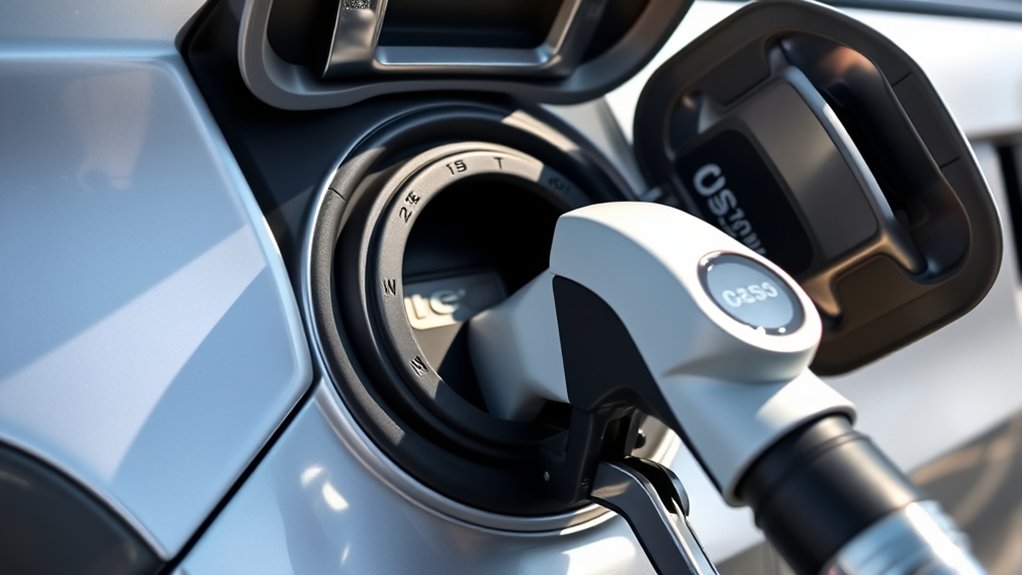
Wondering if you can use regular gas in your Jeep Compass? The short answer is yes, but it depends on your model and engine type. Most Jeep Compass models run fine on regular unleaded gasoline with an octane rating of 87. However, some newer or turbocharged engines may recommend premium gas for peak performance.
Here’s a quick comparison:
| Fuel Type | Octane Rating | Recommended For |
|---|---|---|
| Regular Gas | 87 | Most Jeep Compass models |
| Mid-Grade Gas | 89-90 | Some engines for smoother run |
| Premium Gas | 91+ | Turbocharged or high-performance engines |
Using regular gas usually won’t harm your engine, but if your manual suggests premium, stick to that for best results.
When Your Jeep Compass Needs Premium Gas
If your Jeep Compass has a turbocharged or high-performance engine, premium gas isn’t just a suggestion—it’s what your vehicle needs to run efficiently. Using premium fuel with a higher octane rating helps prevent knocking, improves engine performance, and protects essential components.
You’ll notice smoother acceleration and better overall responsiveness when you stick to premium gas in these models. Here’s when you should consider premium fuel:
- Your engine’s manual explicitly recommends or requires premium gas
- You experience engine knocking or pinging with regular gas
- You drive in hot weather or at high altitudes where engine stress increases
- You want to maintain peak performance and longevity of your engine
- Your Jeep Compass is a newer, high-output trim with advanced engine technology
Fuel Efficiency of Different Gas Types in the Jeep Compass
You might wonder how regular and premium gas affect your Jeep Compass’s fuel efficiency. Knowing the impact on mileage can help you decide which fuel type suits your driving needs best.
Let’s compare how each gas type performs in real-world conditions.
Regular vs Premium Gas
How does choosing between regular and premium gas affect your Jeep Compass’s fuel efficiency? Generally, the Jeep Compass is designed to run efficiently on regular unleaded gasoline, so using premium fuel usually doesn’t boost your fuel economy markedly.
Here’s what you should consider:
- Regular gas is more cost-effective for daily driving.
- Premium gas has a higher octane rating but isn’t necessary unless specified.
- Using premium where not required won’t improve engine performance.
- Your Jeep’s engine management system adjusts to regular fuel efficiently.
- Premium gas might benefit high-performance trims or turbocharged engines, but for most Compass models, regular is sufficient.
Stick with what your owner’s manual recommends to keep your Jeep running smoothly without overspending at the pump.
Impact on Mileage
Wondering whether premium gas can boost your Jeep Compass’s mileage? Generally, using premium won’t substantially improve your fuel efficiency if your Compass is designed for regular gas.
Most Jeep Compass models run efficiently on regular unleaded fuel, and premium typically doesn’t offer enough of a performance increase to justify the extra cost. You might notice a slight improvement in fuel economy if your specific engine recommends premium, but it’s usually minimal—often less than a mile per gallon.
Sticking to the manufacturer’s recommended fuel ensures your engine runs at its best without wasting money on higher-octane gas. So, unless your Compass’s manual specifies premium, you’re better off saving money and filling up with regular gas without worrying about mileage loss.
What Happens If You Use Low-Quality Gas in Your Jeep Compass?
Although low-quality gas might seem like a cost-effective choice, it can cause serious issues for your Jeep Compass. Using poor-quality fuel can lead to engine knocking, reduced performance, and increased wear. You might save money upfront, but the long-term damage can cost you more in repairs and maintenance.
Here’s what can happen if you use low-quality gas in your Jeep Compass:
- Engine deposits build up, causing inefficient combustion
- Reduced fuel efficiency, leading to more frequent fill-ups
- Increased emissions, harming the environment
- Potential damage to fuel injectors and spark plugs
- Higher risk of engine misfires and rough idling
To keep your Jeep running smoothly, always opt for recommended fuel quality.
Fuel Type and Jeep Compass Engine Life
You’ll want to use the recommended fuel type to keep your Jeep Compass running smoothly. Choosing the right gas helps protect the engine and extend its lifespan.
Ignoring this can lead to faster wear and costly repairs down the road.
Recommended Fuel Types
How does choosing the right fuel affect your Jeep Compass’s engine life? Using the recommended fuel type guarantees your engine runs smoothly and efficiently.
For most Jeep Compass models, regular unleaded gasoline with an octane rating of 87 is ideal. However, some turbocharged trims may require premium fuel to meet performance standards.
Sticking to the right fuel type helps maintain engine cleanliness, prevents knocking, and optimizes power output. Here’s what you should keep in mind:
- Use unleaded gasoline with at least 87 octane for standard engines
- Consider premium fuel for turbocharged or high-performance models
- Avoid using lower octane fuels to prevent engine knocking
- Follow your owner’s manual guidelines for fuel recommendations
- Use quality fuel from reputable stations to avoid contaminants
Choosing the right fuel keeps your Compass running at its best.
Impact on Engine Longevity
Three key factors determine how fuel type impacts your Jeep Compass’s engine longevity: fuel quality, octane rating, and adherence to manufacturer recommendations.
Using high-quality fuel reduces deposits and keeps your engine cleaner, preventing wear and tear.
Choosing the correct octane rating ensures efficient combustion, which helps avoid knocking and engine damage.
If you use lower-octane gas than recommended, you risk reduced performance and potential long-term harm.
Sticking to the manufacturer’s fuel guidelines protects your engine’s components and maintains warranty coverage.
Ignoring these recommendations can lead to costly repairs and diminished engine life.
By fueling your Jeep Compass properly, you help it run smoothly and last longer, saving you money and headaches over time.
Always prioritize the right fuel to maximize your vehicle’s durability.
How to Check Your Jeep Compass Owner’s Manual for Fuel Specs
Although it might seem straightforward, checking your Jeep Compass owner’s manual is the best way to find the exact fuel specifications for your vehicle. The manual provides manufacturer-recommended fuel types, octane ratings, and any special requirements.
Here’s how to quickly find this info:
- Locate the fuel section in the index or table of contents
- Read the details under “Fuel Requirements” or “Fuel Recommendations”
- Note the minimum octane rating suggested for best performance
- Check for any warnings against using lower-grade fuel
- Review any tips related to fuel additives or ethanol content
How to Fill Up Your Jeep Compass the Right Way
When you fill up your Jeep Compass, using the right technique guarantees ideal performance and prevents potential issues. First, turn off your engine to avoid static electricity risks. Use the recommended fuel type—usually regular unleaded 87 octane unless specified otherwise. Insert the nozzle fully to prevent spills and hold it steadily. Avoid topping off after the pump clicks to protect the evaporative emissions system.
| Step | Action | Reason |
|---|---|---|
| 1 | Turn off engine | Safety and static prevention |
| 2 | Use recommended fuel | Engine performance & longevity |
| 3 | Don’t top off fuel tank | Prevent damage to emissions system |
Where to Buy the Best Gas for Your Jeep Compass
You’ll want to know which gas stations offer the best fuel for your Jeep Compass, whether that’s a trusted national brand or a reliable local supplier.
Deciding between premium and regular gas also plays a big role in performance and cost.
Let’s explore how to choose the right place to fill up.
Top Gas Station Brands
Where can you find the best gas for your Jeep Compass? Choosing the right gas station brand can make a difference in fuel quality and engine performance. You want stations known for high standards and reliable fuel additives that keep your engine running smoothly.
Here are five top gas station brands trusted by Jeep Compass drivers:
- Shell – Known for its Nitrogen Enriched Gasoline and cleaning additives.
- Chevron – Offers Techron additive that helps prevent deposits.
- ExxonMobil – Provides Synergy fuel with advanced detergents.
- BP – Features Invigorate additive to boost engine protection.
- Costco – Delivers high-quality fuel at a great price, tested regularly.
Sticking to these brands helps you maintain your Jeep Compass’s performance and fuel efficiency.
Premium Vs Regular Gas
Although your Jeep Compass can run on regular gas, choosing between premium and regular fuel depends on your driving habits and engine requirements.
Regular unleaded gasoline usually has an octane rating of 87, which suits most Compass models perfectly.
Premium gas, with an octane rating around 91 or higher, is designed to prevent knocking in high-performance engines.
If you drive aggressively, tow heavy loads, or often climb steep hills, premium fuel might offer smoother performance and better efficiency.
However, if your daily driving is mostly city commuting or highway cruising, regular gas will meet your needs without extra cost.
To get the best gas, prioritize stations that offer fresh, top-quality fuel with proven additive packages to keep your engine clean and running efficiently.
Local Vs National Suppliers
How do you decide between local and national gas suppliers for your Jeep Compass? Both have pros and cons that can affect your vehicle’s performance and your wallet.
National suppliers often provide consistent fuel quality and widespread availability, making refueling convenient wherever you go.
On the other hand, local suppliers may offer fresher fuel and support community businesses, but quality can vary more.
When choosing where to fill up, consider these factors:
- Fuel quality and additives
- Price per gallon
- Convenience of location
- Customer service and reputation
- Environmental standards and certifications
Common Mistakes to Avoid When Choosing Gas for Your Jeep Compass
When choosing gas for your Jeep Compass, you might unknowingly make mistakes that affect performance and fuel efficiency. One common error is using lower-octane fuel than recommended. Your Compass is designed for a specific octane rating, so using cheaper, lower-octane gas can cause knocking and reduce engine efficiency.
Another mistake is ignoring fuel quality; not all gas stations offer the same standards, which can lead to deposits and engine issues. Avoid filling up at unfamiliar or suspiciously cheap stations.
Also, don’t mix different fuel types, like ethanol blends beyond what your vehicle supports, as this can harm your engine.
Finally, skipping regular maintenance, like fuel system cleaning, can worsen the impact of poor fuel choices. Staying vigilant ensures your Compass runs smoothly.
Summary: Choosing the Best Gas for Your Jeep Compass
Choosing the right gas for your Jeep Compass directly impacts its performance and longevity. You want to guarantee you use the recommended fuel type to keep your engine running smoothly and efficiently. Most Jeep Compass models perform best on regular unleaded gasoline with an octane rating of 87.
Using higher-octane fuel won’t necessarily improve performance unless your model specifically requires it.
Keep these points in mind when choosing gas:
- Always check your owner’s manual for the correct octane rating.
- Avoid premium fuel unless specified.
- Use reputable gas stations for quality fuel.
- Don’t ignore warning signs like knocking or pinging.
- Regular maintenance helps optimize fuel efficiency.
Frequently Asked Questions
How Does Cold Weather Affect Fuel Performance in a Jeep Compass?
Cold weather can make your Jeep Compass’s fuel less efficient by thickening the gasoline, causing harder starts and reduced mileage. You’ll notice slower acceleration and increased fuel consumption until the engine warms up properly.
Can Using Gas Additives Improve Jeep Compass Engine Performance?
You might think gas additives won’t help, but they can actually boost your Jeep Compass’s engine performance by cleaning fuel injectors and reducing deposits. Just use them as directed to keep your engine running smoothly and efficiently.
Is There a Difference Between Gas Brands for the Jeep Compass?
Yes, you might notice slight differences between gas brands due to additives and detergents. However, your Jeep Compass will run fine using any reputable brand with the recommended octane. Stick to what’s convenient and trusted.
How Often Should I Check My Jeep Compass Fuel System?
You should check your Jeep Compass fuel system every 12,000 miles or once a year. If you notice performance issues or fuel smells, inspect it sooner to avoid problems and keep your ride running smoothly.
Does Altitude Impact the Type of Gas Needed for a Jeep Compass?
You’ll find that altitude doesn’t change the type of gas your Jeep Compass needs—it still requires regular gasoline. However, higher altitudes can affect engine performance, so you might notice slight differences in fuel efficiency and power.
Conclusion
Choosing the right gas for your Jeep Compass isn’t just about filling up—it’s about protecting your engine and maximizing performance. Did you know using the recommended octane can improve fuel efficiency by up to 4%? That adds up over time, saving you money and headaches. So, stick to what your Compass needs, avoid common gas mistakes, and enjoy a smoother, longer-lasting ride. Your Jeep deserves the best, and so do you.