How to Flat Tow Your Jeep Compass Safely
To flat tow your Jeep Compass safely, first confirm it’s approved by checking your owner’s manual or with a dealer. Make certain fluids, tires, and systems are in good shape, then shift to neutral and fully release the parking brake. Securely attach a rated tow bar and safety chains, and lock the steering to prevent damage. Drive cautiously under 55 mph and avoid sudden moves. Following these steps will protect your vehicle—there’s more to guarantee a smooth, damage-free tow.
Check If Your Jeep Compass Is Approved for Flat Towing
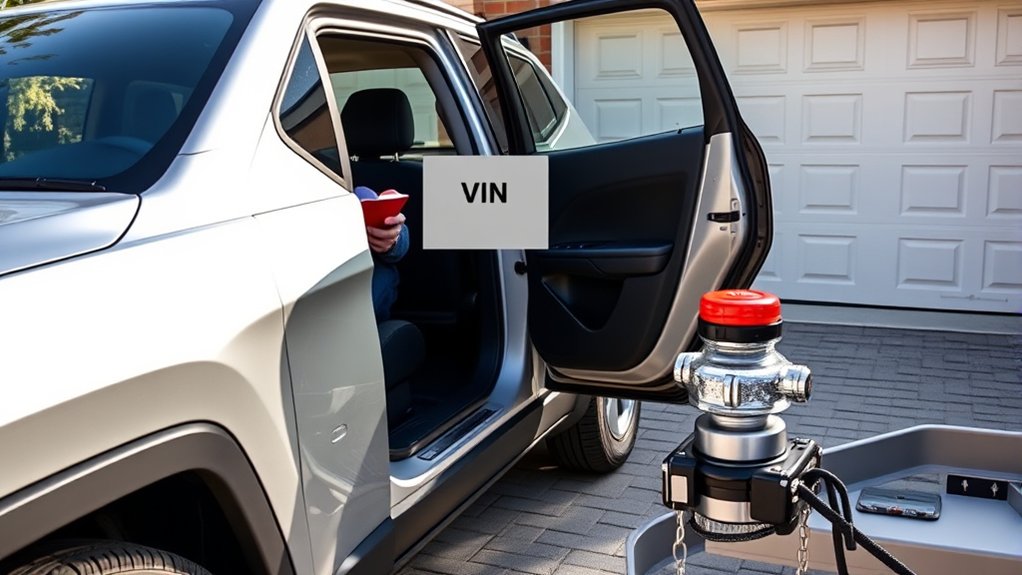
Before you hook up your Jeep Compass for flat towing, you need to confirm whether your specific model is authorized for it. Not all Jeep Compasses can be flat towed safely, so checking your owner’s manual or contacting a Jeep dealer is essential.
The approval depends on the model year, transmission type, and drivetrain configuration. If your Compass isn’t approved, flat towing could damage the transmission or drivetrain.
Look for explicit manufacturer guidelines about flat towing, including speed limits and distance recommendations. You should also verify if any modifications or additional equipment are required to make flat towing safe.
Taking these steps ensures you avoid costly repairs and keeps your Jeep running smoothly while you tow it.
Gather the Right Equipment for Flat Towing Your Jeep Compass

Although flat towing your Jeep Compass might seem straightforward, gathering the right equipment is vital to guarantee safety and prevent damage.
First, you’ll need a quality tow bar rated for your vehicle’s weight. Make sure it’s compatible with your Jeep’s frame and hitch setup.
Next, install base plates on your Jeep; these provide secure attachment points for the tow bar.
Don’t forget safety chains—they’re essential backups in case the tow bar disconnects.
You’ll also want a wiring harness to connect your Jeep’s lights to your tow vehicle, keeping brake lights, turn signals, and running lights synchronized.
Finally, consider a supplemental braking system if your setup requires it.
Having all these items ready ensures a smooth, safe flat-towing experience for your Jeep Compass.
Prepare Your Jeep Compass: Fluids, Tires, and Systems
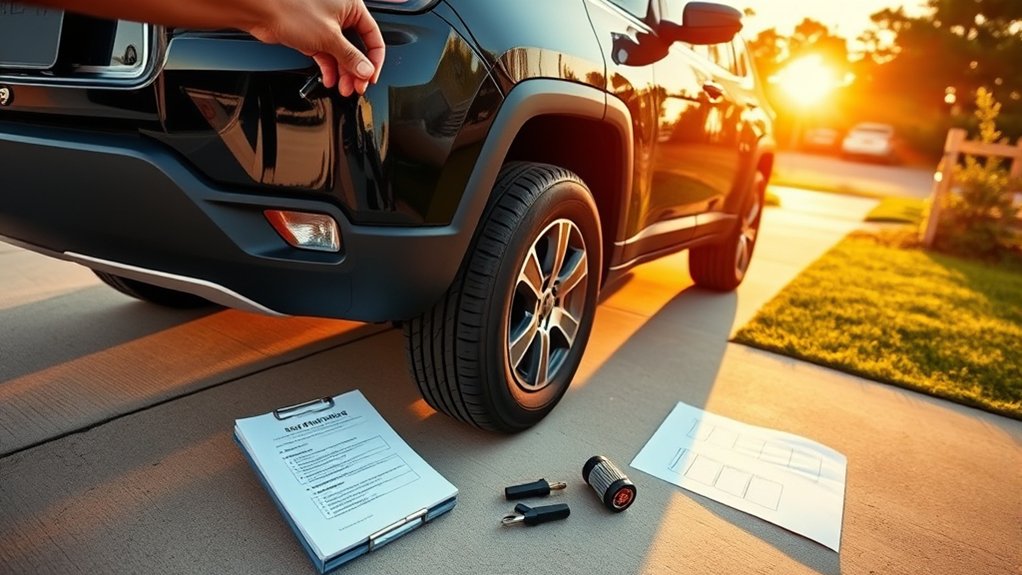
Since flat towing puts unique demands on your Jeep Compass, you’ll want to check fluids, tires, and key systems carefully. Start by confirming your engine oil and coolant levels are topped off to prevent overheating or damage.
Next, examine your tires for proper inflation and tread wear; underinflated or worn tires can cause instability while towing.
Don’t forget to check the brake fluid and windshield washer fluid, as these systems remain important even when flat towing.
Finally, inspect the battery and electrical connections to avoid any power issues during your journey.
- Verify engine oil and coolant levels
- Check tire pressure and tread condition
- Inspect brake fluid level
- Ensure windshield washer fluid is adequate
- Test battery and electrical connections
These steps help keep your Jeep Compass safe and ready for flat towing.
Put Your Jeep Compass in Neutral and Release the Parking Brake

Before you start towing, shift your Jeep Compass into neutral to prevent damage to the transmission.
Make sure to release the parking brake completely so the wheels can roll freely.
Double-check that the transmission is properly in neutral to avoid any issues during the tow.
Shift Gear To Neutral
How do you guarantee your Jeep Compass rolls smoothly during flat towing? The key is shifting the gear to neutral. This disengages the transmission, allowing the wheels to turn freely without causing damage.
Follow these steps to do it correctly:
- Start with the engine running or in the ignition-on position
- Press the brake pedal firmly
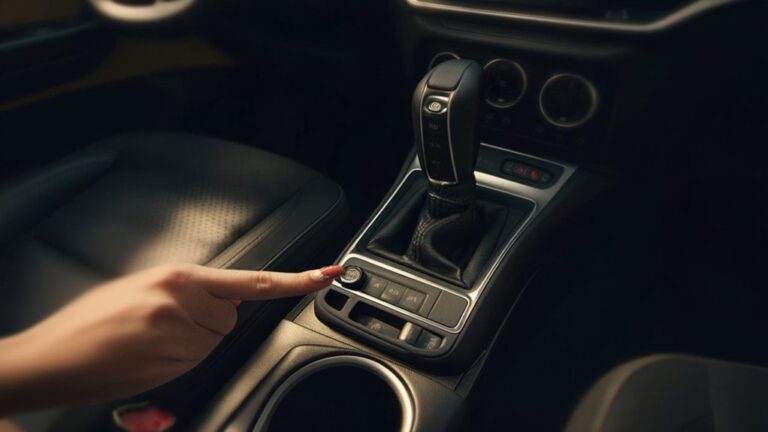
- Move the gear selector from Park to Neutral
- Ensure the gear indicator shows “N” clearly
- Double-check the transmission is in neutral by gently rocking the vehicle
Disengage Parking Brake
After shifting your Jeep Compass into neutral, the next step is to disengage the parking brake. Locate the parking brake lever or pedal, depending on your model, and release it fully.
If your Compass has an electronic parking brake, press the brake pedal and push the electronic release button to deactivate it. Make certain the parking brake is completely off to prevent any resistance during towing.
Driving with the parking brake engaged can cause damage to the brake system and make flat towing unsafe. Double-check that the brake warning light on the dashboard is off, confirming the brake is disengaged.
Taking these steps ensures your Jeep Compass can roll freely, allowing for a smooth and safe flat towing experience.
Verify Transmission Position
Once you’ve released the parking brake, make certain your Jeep Compass’s transmission is securely in neutral. This step prevents damage to the transmission and ensures smooth towing.
Here’s how to verify the transmission position:
- Shift the gear lever to neutral (N).
- Gently wiggle the gear lever to confirm it’s not stuck.
- Check the dashboard indicator to confirm neutral is engaged.
- Make sure the transmission fluid warning light is off.
- Test by trying to move the Jeep slightly; it should roll freely.
Taking these precautions helps avoid costly repairs and keeps your Jeep safe during flat towing.
Always double-check the transmission position before you start towing to ensure everything is set up correctly for a smooth trip.
Connect the Tow Bar and Safety Chains Correctly
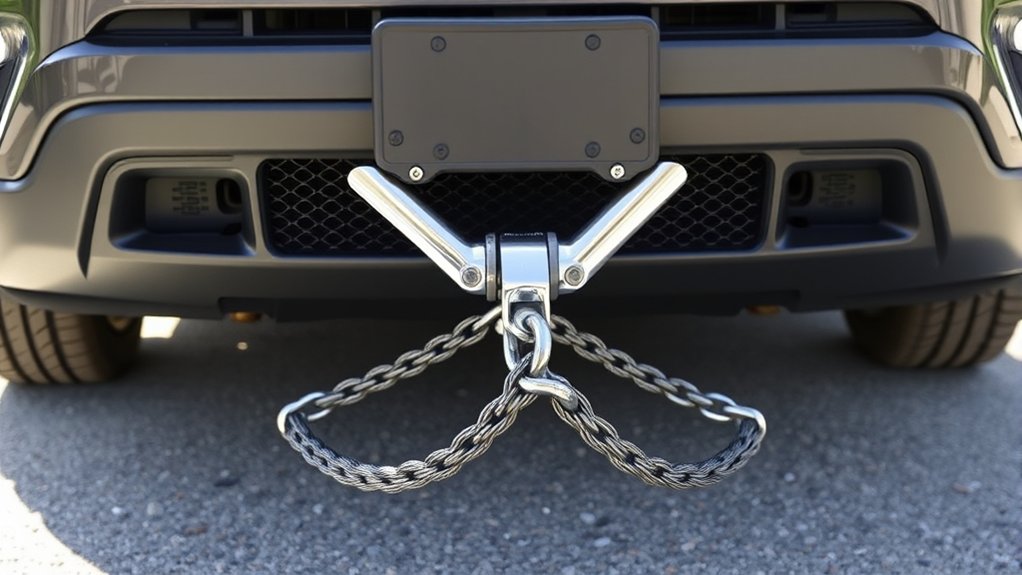
Before you hit the road, you’ll want to make sure the tow bar is securely attached to both your Jeep Compass and the towing vehicle.
Start by aligning the tow bar’s mounting brackets with the designated points on your Jeep. Tighten all bolts and pins firmly to prevent any movement during towing.
Next, hook the safety chains in a crisscross pattern beneath the tow bar. This setup helps catch the Jeep if the tow bar fails.
Make sure the chains have enough slack for turns but aren’t dragging on the ground.
Double-check that all connections are locked and secure.
Properly connecting the tow bar and safety chains is essential for safe towing and helps you avoid accidents or damage while on the road.
Check Lights and Brakes on Both Vehicles Before Driving
Ensuring the lights and brakes on both your Jeep Compass and towing vehicle function properly is essential for safe flat towing. Before hitting the road, you need to verify that all signaling and braking systems are synchronized and working flawlessly. This step helps prevent accidents and legal issues.
Here’s what you should check:
- Confirm brake lights illuminate when you press the brake on the towing vehicle.
- Test turn signals on both vehicles for proper operation.
- Ensure hazard lights flash correctly on both vehicles.
- Verify the tow bar’s wiring harness is securely connected.
- Check the braking system of your Jeep Compass if equipped with supplemental brakes.
Taking these steps guarantees visibility and control while towing.
Use a Transmission Lubrication Pump to Protect Your Jeep Compass
Because the transmission relies on engine power to circulate fluid, flat towing your Jeep Compass without a lubrication pump can cause serious damage. When you tow with all four wheels on the ground and the engine off, the transmission fluid isn’t properly circulated. This leads to overheating and accelerated wear on internal components.
To prevent costly repairs, install a transmission lubrication pump before flat towing. The pump mimics engine-driven fluid flow, keeping the transmission cool and lubricated during towing.
Make sure you choose a pump compatible with your Jeep Compass model and follow the manufacturer’s instructions carefully. Using this device protects your transmission and extends its lifespan, ensuring your vehicle stays reliable every time you flat tow.
Don’t skip this essential step for safe, damage-free towing.
Use a Tow Dolly or Trailer When Flat Towing Isn’t Possible
While a transmission lubrication pump helps protect your Jeep Compass during flat towing, there are times when flat towing isn’t an option at all. In these cases, using a tow dolly or trailer is your best bet to keep your vehicle safe and avoid damage.
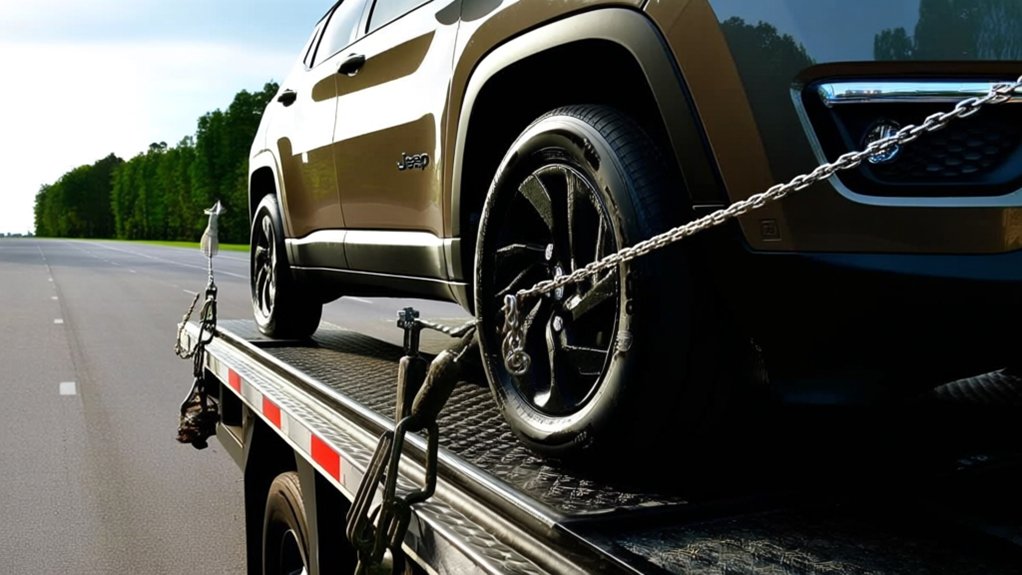
A tow dolly lifts the front wheels off the ground, while the rear wheels roll on the road, making it ideal for short distances. A trailer, on the other hand, carries your Jeep entirely off the ground, perfect for longer hauls or rough terrain.
Consider these tips when using a tow dolly or trailer:
- Check your Jeep Compass’s towing capacity
- Secure the vehicle with proper straps and chains
- Ensure the dolly or trailer is rated for your Jeep’s weight
- Confirm all lights and brakes on the tow setup work
- Practice cautious driving to avoid sudden movements
Drive Your Jeep Compass Carefully While Towing
Although your Jeep Compass is built to handle towing, you need to drive with extra care to maintain control and prevent damage. Keep your speed moderate, generally below 55 mph, to reduce stress on both vehicles and improve stability.
Avoid sudden acceleration, sharp turns, and hard braking, as these actions can cause sway or strain on the tow setup. Maintain a greater following distance to give yourself ample time to react to traffic changes.
Use your mirrors frequently to monitor the Compass and surrounding traffic. If you encounter steep hills or rough terrain, slow down and shift to a lower gear if necessary.
Avoid Common Flat Towing Mistakes That Damage Your Jeep Compass
To keep your Jeep Compass safe while flat towing, you need to check if your transmission is compatible with flat towing.
Make sure you secure the steering properly to prevent damage during transit.
Also, never exceed the weight limits, as that can cause serious harm to your vehicle.
Check Transmission Compatibility
How do you know if your Jeep Compass’s transmission can handle flat towing? Not all transmissions are designed for this, and towing improperly can cause severe damage. First, check your owner’s manual—it’s your best source for compatibility info.
Most Jeep Compass models with manual transmissions are flat-tow friendly, but automatics often need extra precautions or aren’t recommended at all.
Before hooking up, consider these key points:
- Confirm your transmission type (manual or automatic).
- Look for manufacturer flat-towing guidelines.
- Identify if a transmission lube pump is required.
- Check if you need a neutral tow kit or driveline disconnect.
- Verify if flat towing risks void your warranty.
Taking these steps ensures your Jeep Compass’s transmission stays safe on the road.
Secure Steering Properly
When you flat tow your Jeep Compass, securing the steering properly is essential to prevent damage and maintain control. Before you start towing, make sure to lock the steering column or use a steering lock device designed for flat towing. This prevents the front wheels from turning independently, which can cause undue stress on the steering system.
Additionally, connect the tow bar’s safety cables correctly to ensure the steering stays aligned. Avoid leaving the steering free to swivel, as this can lead to costly repairs.
Double-check the connection points to confirm everything is tight and secure. Taking these steps will protect your Jeep Compass’s steering components and give you a safer towing experience every time.
Avoid Exceeding Weight Limits
Securing your steering properly sets the foundation for safe flat towing, but overlooking your Jeep Compass’s weight limits can quickly undo that effort. You need to know the maximum towing capacity and tongue weight your vehicle can handle. Exceeding these limits risks damaging the transmission, suspension, or frame.
Always check your owner’s manual for exact specifications before hooking up your Jeep.
To keep your towing safe and damage-free, remember to:
- Verify your Jeep Compass’s curb weight and towing limits
- Consider the weight of passengers and cargo inside the vehicle
- Include the weight of the tow bar and safety chains
- Avoid adding aftermarket accessories that increase weight
- Use a scale to measure your loaded Jeep before towing
Respecting weight limits ensures a safer flat tow and protects your Jeep Compass.
Inspect Your Jeep Compass After Towing for Any Issues
Although you’ve safely flat towed your Jeep Compass, you’ll want to thoroughly inspect it as soon as you finish. Start by checking the tires for any signs of wear, damage, or pressure loss caused by the towing process.
Next, examine the brake lights, turn signals, and running lights to make sure they’re functioning properly since wiring connections can sometimes loosen.
Look under the vehicle for any leaks or damage to the undercarriage, especially near the driveshaft and suspension components.
Verify that the transmission and fluid levels remain normal, as towing can sometimes affect these.
Finally, listen for unusual noises during a short test drive before driving independently.
This quick inspection helps catch any issues early, ensuring your Jeep Compass stays safe and reliable after flat towing.
Frequently Asked Questions
Can I Flat Tow My Jeep Compass in Snowy Conditions?
You can flat tow your Jeep Compass in snowy conditions, but you’ll need to drive slowly and cautiously. Make sure the tow setup is secure, and check for ice buildup to avoid damage or unsafe towing situations.
How Does Flat Towing Affect My Jeep Compass’s Warranty?
Flat towing your Jeep Compass usually won’t void the warranty if you follow the manufacturer’s guidelines. Just make sure you use proper equipment and procedures to avoid damage and keep your warranty intact.
What Is the Maximum Speed for Flat Towing a Jeep Compass?
You shouldn’t exceed 65 mph when flat towing your Jeep Compass. Staying below this speed helps safeguard your vehicle’s drivetrain and ensures safe towing conditions on the road. Always follow the manufacturer’s guidelines.
Are There Any Special Insurance Considerations for Flat Towing?
You should check with your insurer because 60% of flat towing accidents aren’t covered without specific endorsements. Don’t assume standard policies cover flat towing; getting proper coverage protects you from costly claims and unexpected liabilities on the road.
Can I Tow a Jeep Compass With an Electric Vehicle?
Yes, you can tow a Jeep Compass with an electric vehicle, but make sure your EV’s towing capacity matches the Compass’s weight. Also, check your EV’s manual for specific flat towing guidelines to avoid damage or warranty issues.
Conclusion
By taking a moment to check your Jeep Compass’s compatibility and gathering the right tools, you’re setting the stage for a smooth journey. Preparing your vehicle carefully and connecting everything just right guarantees you’re not asking more than your Jeep can comfortably handle. Drive with gentle consideration, avoid common pitfalls, and give your Compass a quick once-over afterward. With this thoughtful approach, you’ll enjoy a worry-free ride that treats your Jeep with the care it deserves.