Reset Check Engine Light on 2016 Jeep Renegade in 10 Easy Steps
To reset the check engine light on your 2016 Jeep Renegade, start by confirming the issue with an OBD-II scanner and clear any error codes. Tighten your gas cap, then try disconnecting the battery for 15 minutes to reset the system. Afterward, drive normally to let the ECU recalibrate through various driving cycles. You can also use Jeep-specific apps or diagnostic tools for easier resets. If the light returns, further checks or professional help might be needed. Learn how to keep your Renegade running smoothly and avoid future alerts.
Confirm If Your Check Engine Light Should Be Reset
Before you reset your check engine light, you should confirm whether the issue causing it has been fixed. Ignoring this step can lead to bigger problems or unsafe driving conditions.
Start by checking if your Jeep Renegade is running smoothly without unusual noises, vibrations, or performance issues. If you recently addressed a known problem—like replacing a faulty sensor or fixing a loose gas cap—make sure the repair was done correctly.
You can also use an OBD-II scanner to read the error codes stored in your vehicle’s computer. If the codes are gone or show no active faults, it’s safe to reset the light. Otherwise, the warning might come back quickly, signaling you need further diagnostics before resetting the check engine light.
Gather Tools Needed to Reset Your Jeep Renegade’s Light
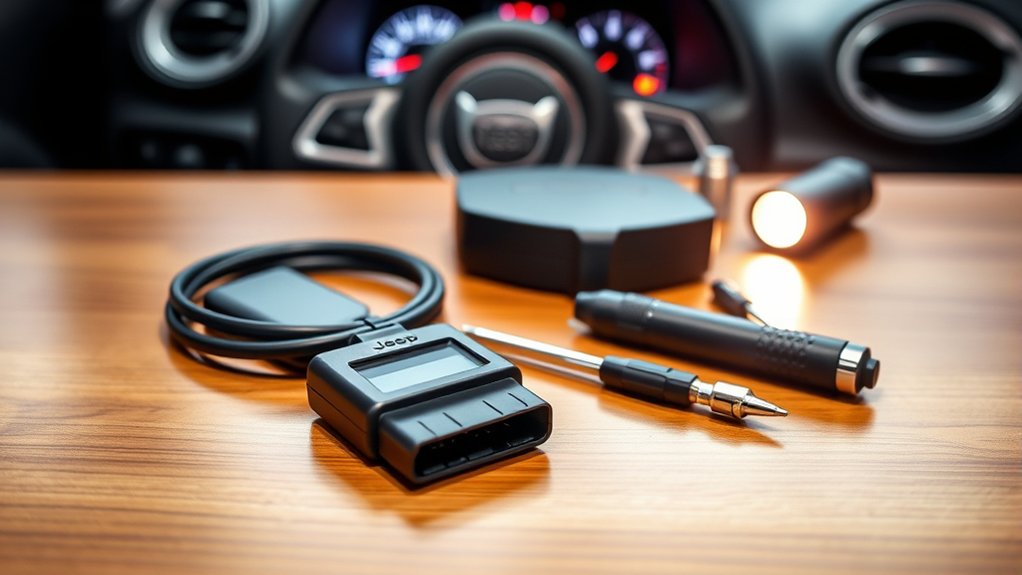
Before you reset your Jeep Renegade’s check engine light, make sure you have the essential tools like an OBD-II scanner. You can find these tools online or at auto parts stores, often at affordable prices.
Always follow safety tips when handling electronic devices and working on your vehicle.
Essential Reset Tools
Although resetting the check engine light on your 2016 Jeep Renegade can seem challenging, having the right tools makes the process straightforward and efficient.
First, you’ll need an OBD-II scanner, a small device that plugs into your vehicle’s diagnostic port to read and clear error codes. Many affordable options are available, including Bluetooth-enabled scanners that connect to your smartphone.
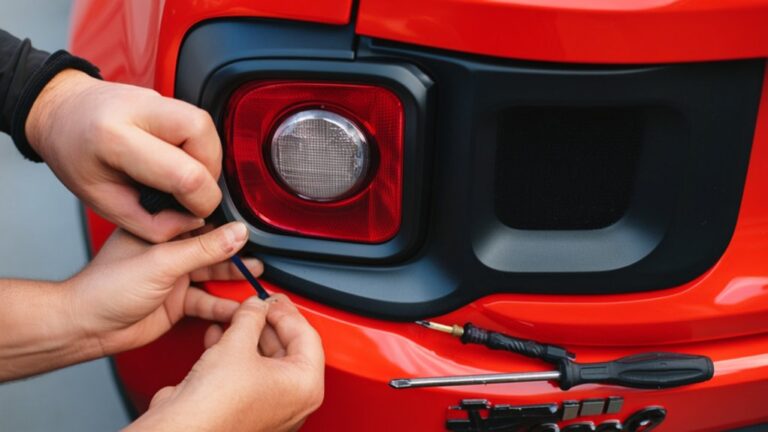
Additionally, a simple basic tool kit with screwdrivers and pliers might come in handy if you need to access certain components.
Finally, keep your vehicle’s owner manual nearby to identify the diagnostic port and understand any specific procedures.
With these essential tools ready, you’ll confidently approach resetting your Jeep Renegade’s check engine light without unnecessary hassle.
Where To Find Tools
Since having the right tools is essential, you’ll want to know exactly where to find them before resetting your Jeep Renegade’s check engine light.
Most importantly, you’ll need an OBD-II scanner, which you can find online through retailers like Amazon or at local auto parts stores such as AutoZone or Advance Auto Parts. Some stores even offer tool rental services if you don’t want to buy one.
Additionally, a basic set of screwdrivers or a socket wrench might be necessary to access the diagnostic port or remove panels.
Check your glove compartment or center console first; sometimes, vehicle manuals or basic tools are stored there.
Gathering these tools ahead of time will make the reset process smoother and quicker.
Tool Safety Tips
When you gather the tools needed to reset your Jeep Renegade’s check engine light, you’ll want to handle each item carefully to avoid damage or injury. Always inspect tools for defects before use, and make sure your work area is well-lit and clean. Avoid wearing loose clothing or jewelry that could get caught while working.
Here are some key safety tips to keep in mind:
- Use insulated tools to prevent electrical shocks when dealing with electronic components.
- Disconnect the Jeep’s battery before connecting or disconnecting any diagnostic devices.
- Follow the tool manufacturer’s instructions closely to avoid misuse and potential hazards.
Use an OBD-II Scanner to Read and Reset Codes
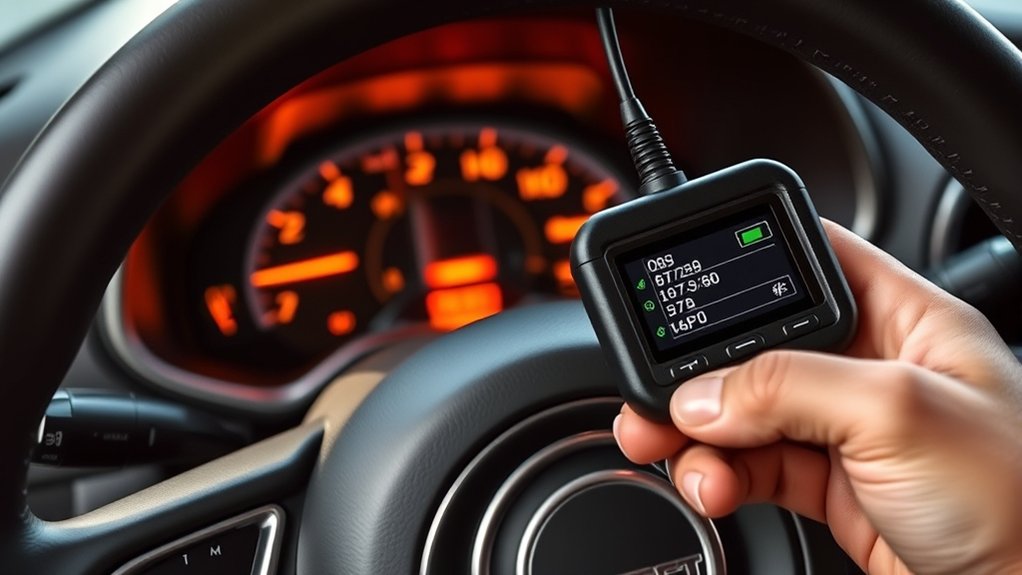
If you want to quickly identify and clear the check engine light on your 2016 Jeep Renegade, using an OBD-II scanner is your best bet.
First, locate the OBD-II port beneath the dashboard on the driver’s side. Plug your scanner into this port with the ignition off, then turn the key to the “on” position without starting the engine.
Power up your scanner and follow its prompts to read the stored trouble codes. These codes tell you what triggered the light.
After noting the codes, select the option to clear them. This resets the check engine light.
Keep in mind, if the underlying issue isn’t fixed, the light will come back on. Using the scanner helps you pinpoint problems before resetting the system.
Check and Tighten Your Gas Cap to Fix the Light
After using an OBD-II scanner to identify and clear codes, you might find the check engine light still on or coming back quickly. One common cause is a loose or faulty gas cap, which can trigger the light due to evaporation emissions leaks.
To fix this, check your gas cap for tightness and any visible damage. Here’s what you should do:
- Remove the gas cap and inspect it for cracks or worn seals.
- Reinstall the cap and turn it clockwise until it clicks firmly.
- Drive your Jeep for a few trips to see if the light resets.
If the light remains after these steps, the gas cap might need replacing or there could be another issue. Tightening or replacing the gas cap is a simple fix worth trying first.
Disconnect Your Battery to Clear Error Codes
To clear error codes, you’ll need to disconnect your Jeep Renegade’s battery safely. Make sure the engine is off and you’re wearing gloves to protect yourself.
Then, follow the proper steps to disconnect the negative terminal first to avoid any electrical issues.
Battery Disconnection Procedure
While disconnecting your battery might seem simple, it effectively clears many error codes causing your Check Engine Light to stay on. Start by turning off your Jeep Renegade and opening the hood. Locate the battery, usually on the driver’s side.
Use a wrench to loosen the negative (-) terminal clamp first to prevent any short circuits. After disconnecting the negative terminal, do the same for the positive (+) terminal.
Leave the battery disconnected for about 15 minutes to let the system reset.
When reconnecting, attach the positive terminal first, then the negative.
Finally, close the hood and start your vehicle to check if the Check Engine Light has reset.
- Turn off engine and open hood
- Disconnect negative terminal before positive
- Wait 15 minutes before reconnecting terminals
Safety Precautions When Disconnecting
Because disconnecting your battery involves handling electrical components, you should take specific safety precautions to avoid injury or damage. First, make sure your Jeep Renegade is turned off and the keys are removed from the ignition.
Wear insulated gloves and safety glasses to protect against sparks or accidental contact. Always disconnect the negative terminal first to reduce the risk of short circuits. Avoid touching both terminals or metal parts simultaneously.
Keep metal tools away from the battery terminals to prevent sparks. Work in a well-ventilated area since batteries can emit harmful gases. After disconnecting, wait a few minutes before reconnecting to let the system fully reset.
Following these steps assures your safety and protects your vehicle’s electrical system when clearing error codes.
Reset the System by Turning the Ignition On and Off
Even though it might seem simple, resetting the check engine light by turning the ignition on and off can effectively clear minor system glitches. Here’s how you can do it: start by inserting the key into the ignition without starting the engine. Turn the key to the “On” position, which powers the dashboard but doesn’t start the engine. Hold it there for about 10 seconds, then turn the key back to the “Off” position.
Repeat this process three to five times. This cycle helps reset the vehicle’s computer system and can turn off the check engine light if the issue is minor.
Remember to:
- Avoid starting the engine during the process
- Wait a few seconds between each cycle
- Perform this in a safe, stationary location
Drive Your Jeep to Help the System Recalibrate
After resetting the system, you’ll need to drive your Jeep to help the onboard computer recalibrate and confirm that the issue has been resolved.
Start by driving normally, allowing the engine control unit (ECU) to monitor various parameters like fuel mixture, emissions, and sensor data. Avoid aggressive acceleration or heavy loads during this process.
It may take several driving cycles—typically a combination of city and highway driving—for the system to run all its self-tests.
Keep an eye on your dashboard; if the check engine light stays off, it means the ECU has verified the fix.
However, if the light returns, it indicates the problem persists or a new issue has appeared. In that case, further diagnostics will be necessary.
Try Jeep Apps and Tools to Reset the Light
You can use Jeep apps to monitor your vehicle’s health and reset the check engine light right from your phone.
Diagnostic tools also let you scan and clear error codes quickly. These options make it easy for you to manage minor issues without a trip to the mechanic.
Jeep App Features
While traditional methods can reset the check engine light on your 2016 Jeep Renegade, using Jeep’s official apps offers a convenient, tech-savvy alternative. These apps connect directly to your vehicle, letting you monitor and manage engine alerts with ease. You don’t have to visit a mechanic just to clear minor warnings yourself.
Here are some key features you’ll find in Jeep apps:
- Real-time vehicle diagnostics: Check engine status anytime.
- Remote reset capability: Turn off the check engine light without tools.
- Maintenance alerts: Stay updated on service needs to prevent issues.
Using Diagnostic Tools
Jeep’s official apps offer a smart way to manage your vehicle’s check engine light, but sometimes a dedicated diagnostic tool can provide more detailed information and control. These tools connect to your Jeep’s OBD-II port, instantly reading trouble codes and allowing you to reset the light yourself. Using them helps you understand the root cause before deciding on repairs.
Here’s a quick comparison of popular diagnostic tools for your 2016 Jeep Renegade:
| Tool Name | Features | Price Range |
|---|---|---|
| BlueDriver | Reads/clears codes, live data | $100 – $120 |
| Autel MaxiCOM | all-encompassing diagnostics | $250 – $300 |
| FIXD | User-friendly, app integration | $60 – $80 |
Choose a tool that fits your needs and budget to reset your check engine light confidently.
Know When to Get Professional Help for Persistent Lights
Although a check engine light can sometimes be reset easily, persistent illumination often signals an underlying issue that requires professional diagnosis. If your light stays on after resetting or comes back quickly, it’s time to consult a mechanic. Ignoring the problem could lead to expensive repairs or unsafe driving conditions.
Watch out for these signs that you need expert help:
- The light flashes, indicating a severe engine misfire
- Your Jeep shows reduced performance or unusual noises
- You notice fuel efficiency drops or emissions issues
How to Prevent Future Check Engine Light Issues on Your Renegade
To keep your Renegade’s check engine light from coming on unexpectedly, you should stay proactive with regular maintenance and attentive driving habits.
Start by following the manufacturer’s recommended service schedule, including oil changes, air filter replacements, and spark plug checks.
Use quality fuel and avoid letting your gas tank run too low, which can cause sensor issues.
Pay attention to how your vehicle drives—unusual sounds or performance drops often signal underlying problems.
Keep your gas cap tight, as a loose cap can trigger the light.
Regularly inspect hoses and belts for wear and tear.
Finally, consider using an OBD-II scanner periodically to catch minor issues before they escalate.
Staying on top of these tasks helps you avoid unexpected check engine alerts and costly repairs.
Frequently Asked Questions
What Does a Flashing Check Engine Light Mean on My Jeep Renegade?
A flashing check engine light means your Jeep Renegade has a serious engine problem, often a misfire. You shouldn’t ignore it—drive carefully and get it checked immediately to prevent damage or costly repairs.
Can a Low Battery Cause the Check Engine Light to Turn On?
Yes, a low battery can cause your check engine light to turn on because it affects your vehicle’s electrical system. You’ll want to check the battery voltage and connections to avoid further issues.
How Often Should I Check the Engine Codes on My Renegade?
You should check your engine codes every few months or whenever the check engine light comes on. Regular checks help you catch issues early, saving you time and money by preventing bigger problems down the road.
Does Resetting the Check Engine Light Affect My Vehicle’s Warranty?
No, resetting the check engine light doesn’t usually affect your vehicle’s warranty. However, you shouldn’t ignore underlying issues, as manufacturers may deny warranty claims if you skip proper repairs or diagnostics before resetting the light.
Are There Common Engine Problems Specific to the 2016 Jeep Renegade?
Oh, what a surprise—your 2016 Jeep Renegade sometimes struggles with transmission issues and engine stalling. You’ll want to watch for rough idling or hesitation, so you’re not caught off guard during your next drive.
Conclusion
Now that you know the simple steps to reset your 2016 Jeep Renegade’s check engine light, the real question is—will it stay off? Sometimes, the light hides a deeper issue waiting to resurface. By following these tips, you’re giving your Jeep a fresh start, but stay alert. If that light flickers back on, don’t ignore it. Your Jeep might be trying to tell you something important—are you ready to listen?