How to Flat Tow a Jeep Wrangler in 10 Essential Steps
To flat tow your Jeep Wrangler, first confirm it’s compatible by checking your owner’s manual and ensuring the transfer case can shift to neutral. If flat towing’s not allowed, consider a tow dolly or trailer. Gather gear like a tow bar, safety chains, wiring harness, and brake system if needed. Prepare your transmission and disengage 4WD and parking brake. Securely connect all components, test lights and chains, then drive carefully under 55 mph. After towing, park and disconnect properly. Follow these steps and you’ll be set for a smooth tow with added tips ahead.
Key Takeaways
- Verify your Jeep Wrangler’s compatibility and shift the transfer case and transmission into neutral before towing.
- Install a base plate kit and securely attach a compatible tow bar with safety chains crossed under the hitch.
- Connect the wiring harness to synchronize brake lights and signals between the Jeep and towing vehicle.
- Perform thorough safety checks, including testing the tow bar, safety chains, and electrical connections before driving.
- Drive smoothly under 55 mph, avoid sudden stops or sharp turns, and regularly monitor the Jeep’s position and equipment condition.
Check If Your Jeep Wrangler Can Be Flat Towed
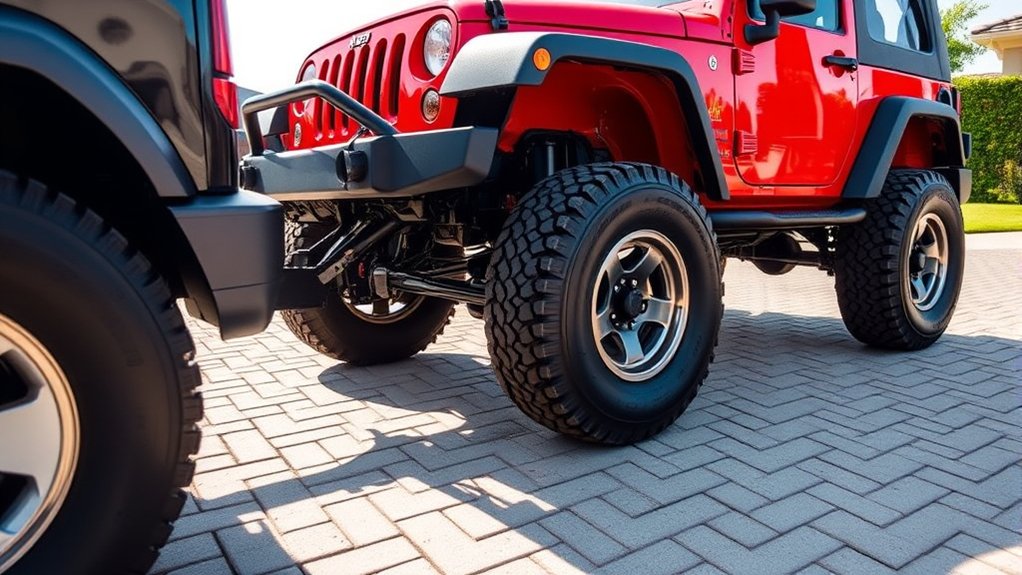
Before you start flat towing your Jeep Wrangler, you need to make sure it’s designed for it. Not every model can handle flat towing without damage, so check your owner’s manual first. Look for specific instructions or warnings about flat towing. Most Wrangler models with manual transmissions are easier to flat tow, but automatics may require additional equipment or procedures. You’ll want to confirm your transfer case can be shifted into neutral while off, which is essential for flat towing. Additionally, verify the drivetrain setup—part-time four-wheel drive models often tow differently than full-time 4WDs. If your manual doesn’t provide clear guidance, contact a Jeep dealer or a professional to avoid costly mistakes. Ensuring compatibility upfront protects your vehicle and keeps towing safe.
Choose a Tow Dolly or Trailer If Flat Towing Isn’t Allowed
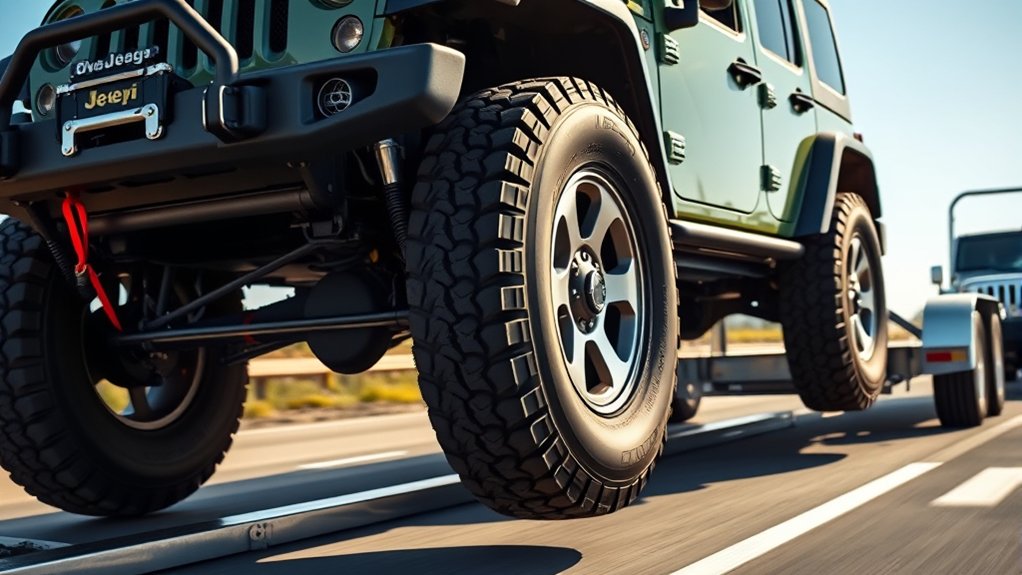
If flat towing your Jeep Wrangler isn’t an option, you’ll want to think about a tow dolly or a trailer. Each has its advantages, from ease of use to better protection for your vehicle. Make sure you also check local laws to stay compliant while towing.
Tow Dolly Advantages
Two key alternatives to flat towing your Jeep Wrangler are using a tow dolly or a trailer, especially when flat towing isn’t allowed. Tow dollies offer several advantages that make them a practical choice. For one, they’re generally lighter and easier to store than full trailers. You only lift the front wheels of your Jeep off the ground, which reduces wear on the rear tires and drivetrain. Tow dollies also tend to be more affordable and easier to hook up, saving you time and effort. Plus, they require less space when parking or maneuvering. If you want a solution that’s simpler than a trailer but still keeps your Jeep secure during transport, a tow dolly is worth considering.
Trailer Benefits
While tow dollies offer convenience, trailers provide unmatched stability and protection when transporting your Jeep Wrangler. Using a trailer keeps all four wheels off the ground, preventing any wear or damage to your Jeep’s drivetrain and suspension. This method also eliminates worries about alignment issues or dragging parts, which can happen with flat towing. Trailers give you peace of mind during long trips, especially over rough terrain or uneven roads. Plus, your Jeep stays cleaner since it’s completely enclosed or off the road surface. If flat towing isn’t allowed due to your Jeep’s model or local laws, a trailer is your safest alternative. It might require more setup, but the extra security and care for your vehicle are worth it.
Legal Considerations
Why does it matter whether you can flat tow your Jeep Wrangler? Because laws vary by state, and not all allow flat towing. Some require specific equipment or prohibit it altogether. Ignoring these rules can lead to fines or insurance issues if you get pulled over or have an accident. If flat towing isn’t legal where you’re headed, don’t worry—you can still tow your Jeep safely using a tow dolly or trailer. A tow dolly lifts the front wheels off the ground, while a trailer carries the entire vehicle. Both options comply with most legal requirements and protect your Jeep’s drivetrain. Always check local regulations before you hit the road, so you avoid legal trouble and tow your Wrangler the right way.
Gather the Right Flat Towing Equipment and Accessories
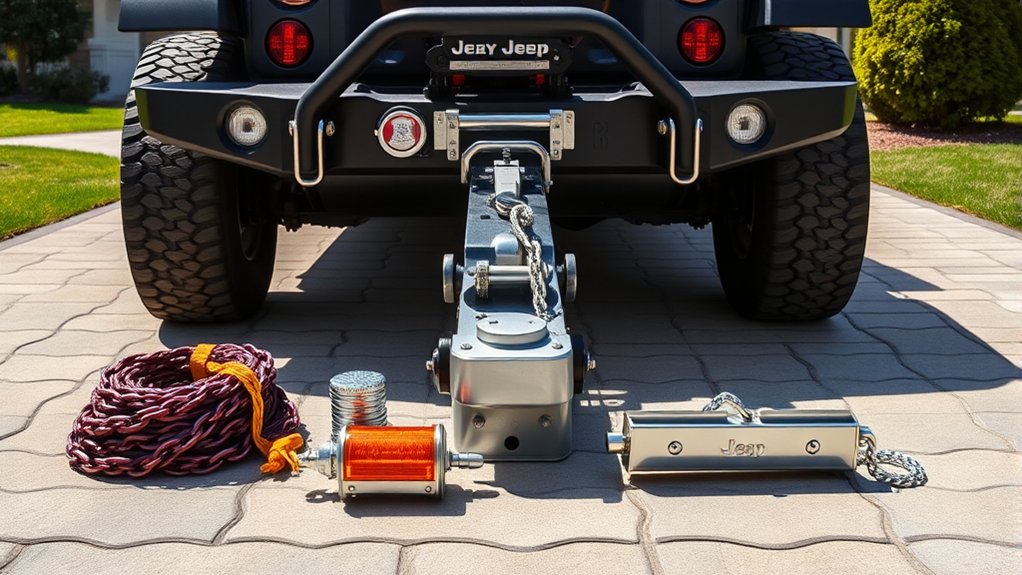
Before you start flat towing your Jeep Wrangler, you’ll need to gather the essential equipment and accessories to guarantee a safe and smooth tow. First, get a quality tow bar designed for your Jeep’s make and model, ensuring proper fit and strength. Next, secure safety cables or chains to provide backup in case the tow bar fails. Don’t forget a base plate kit, which attaches to your Jeep’s frame and connects to the tow bar. You’ll also need a wiring harness to link your Jeep’s lights with the tow vehicle, keeping brake lights and turn signals synchronized. Ultimately, invest in a supplemental braking system if required by law or for added safety. Having these items ready will make flat towing straightforward and worry-free.
Get Your Jeep’s Transmission Ready for Flat Towing
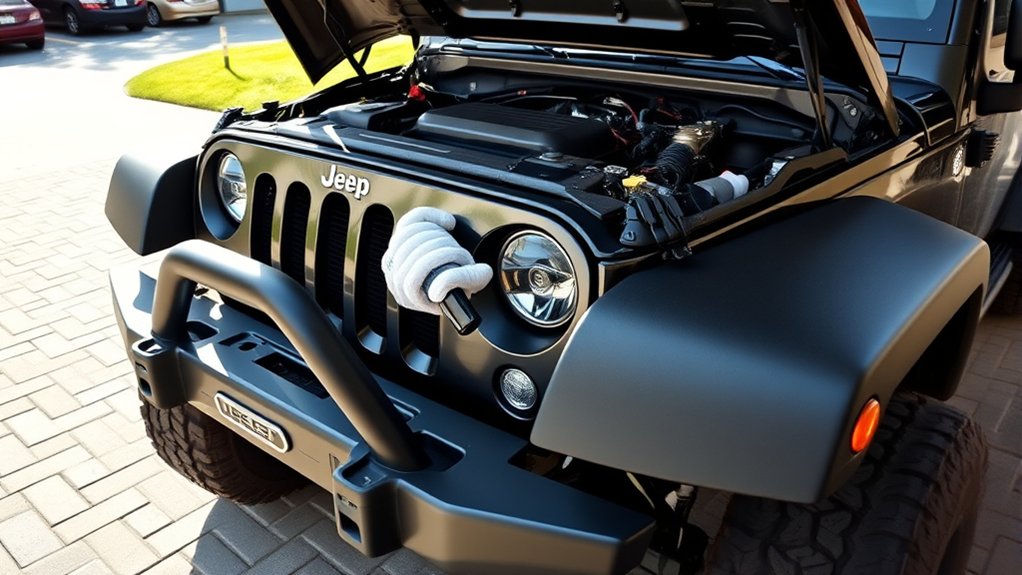
Since flat towing puts unique demands on your Jeep Wrangler’s transmission, you need to prepare it properly to avoid damage. First, check your owner’s manual for specific instructions on flat towing your model. Most automatic transmissions require you to put the transfer case in neutral to prevent internal damage. For manual transmissions, you’ll want to leave the vehicle in neutral as well. Before hooking up your Jeep, make sure the transmission fluid is at the right level and in good condition. Finally, engage the proper mode to guarantee the transmission isn’t under strain during towing.
- Consult your Jeep’s manual for flat towing guidelines
- Shift the transfer case to neutral
- Put the transmission in neutral
- Verify transmission fluid level and quality
- Avoid towing if transmission shows signs of trouble
Turn Off the Parking Brake and 4WD Before Towing
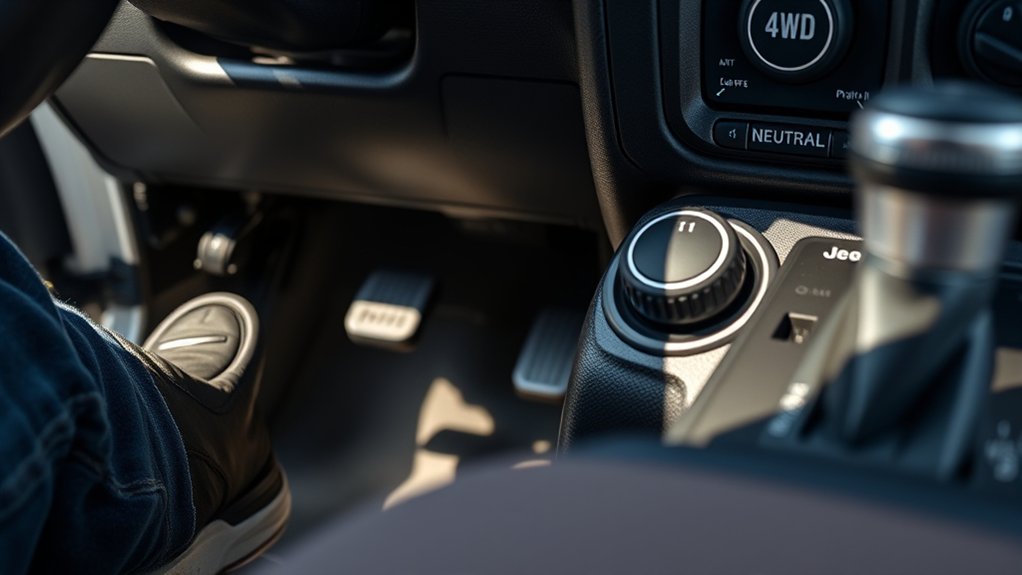
When you’re ready to tow your Jeep Wrangler, make certain to turn off both the parking brake and the 4WD system. Leaving the parking brake engaged can cause damage to the brake components as the wheels turn during towing. Similarly, the 4WD system must be disengaged to prevent drivetrain damage, since flat towing requires the transfer case to be in neutral. Check your Jeep’s dashboard or owner’s manual to confirm the 4WD is off. If your model has a lever or switch for 4WD, set it to 2WD or neutral. By turning off the parking brake and 4WD, you guarantee the drivetrain and brakes won’t suffer unnecessary wear while towing, helping keep your Jeep in good shape for your journey ahead.
Attach the Tow Bar Safely and Securely
You’ll want to start by choosing the right tow bar designed for your Jeep Wrangler. Next, focus on attaching it properly to guarantee a secure connection. Finally, perform thorough safety checks and test the setup before hitting the road.
Selecting The Right Tow Bar
Although selecting the right tow bar might seem straightforward, attaching it safely and securely requires careful attention to both compatibility and installation guidelines. You need a tow bar designed explicitly for flat towing a Jeep Wrangler to guarantee safety and functionality.
When choosing your tow bar, consider these key factors:
- Confirm compatibility with your Jeep Wrangler model and year.
- Check the tow bar’s weight rating to match your vehicle’s weight.
- Opt for a tow bar with durable materials like steel or aluminum.
- Look for features such as quick-connect fittings for easier setup.
- Verify that the tow bar comes with clear installation instructions and support.
Proper Attachment Techniques
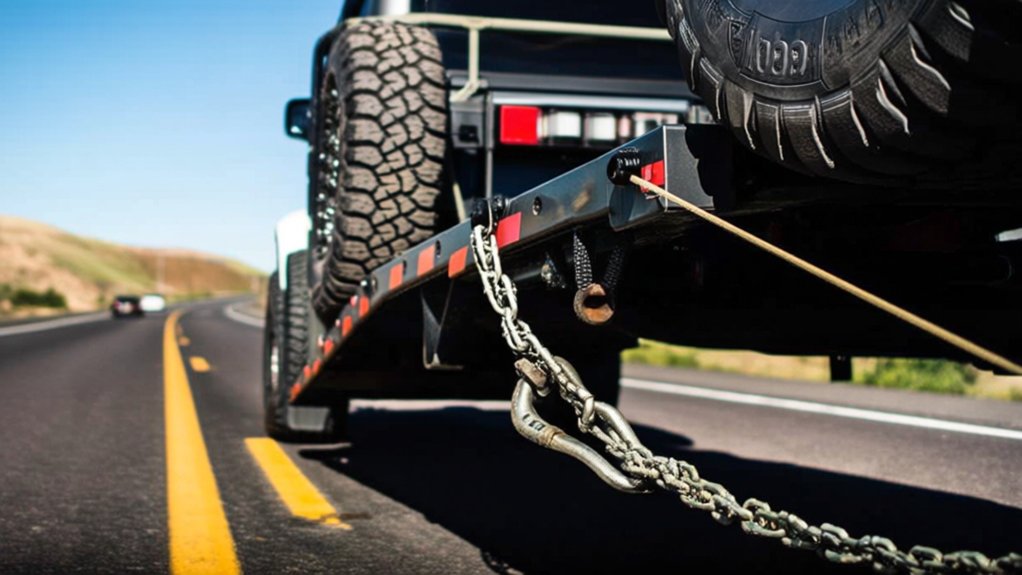
Since a secure connection is critical for safe towing, you must attach the tow bar to your Jeep Wrangler carefully and correctly. Begin by aligning the tow bar arms with the mounting brackets on the Jeep. Insert the pins securely and lock them in place to prevent any movement. Next, connect the safety chains in a crisscross pattern under the tow bar for added security. Make sure the electrical connections are snug and functioning. Tighten all bolts and fasteners to manufacturer specifications.
| Step | Action |
|---|---|
| Align tow bar | Match arms to mounting brackets |
| Insert pins | Secure pins and lock them |
| Attach safety chains | Cross chains under tow bar |
| Connect electricals | Ensure snug, working connections |
Safety Checks And Testing
How do you guarantee your Jeep Wrangler is ready for the road after attaching the tow bar? You perform thorough safety checks and testing to secure the connection and ensure safe towing. Start by inspecting the tow bar attachment points for tightness. Double-check all locking mechanisms and pins. Next, verify the safety chains are properly connected and crossed under the tow bar. Confirm that the electrical connectors for brake lights and signals function correctly. Finally, test the entire setup by gently pulling the Jeep a short distance to detect any instability or unusual noises. Remember these key steps:
- Tighten all bolts and fasteners securely
- Lock all pins and clips firmly in place
- Cross and attach safety chains properly
- Test electrical connections for full operation
- Perform a short, controlled test tow before hitting the road
Connect Safety Chains and Electrical Wiring for Flat Towing
Before you hit the road, make sure you securely connect the safety chains between your Jeep Wrangler and the towing vehicle to prevent any separation in case of hitch failure. Cross the chains under the hitch to create a cradle that can catch the tongue if it drops. Attach the chains to the designated hooks on both vehicles, ensuring they’re tight enough to prevent dragging but have enough slack for turns.
Next, plug in the electrical wiring harness from your Jeep to the tow vehicle. This connection powers your Wrangler’s brake lights, turn signals, and taillights, keeping you visible and legal on the road. Double-check that all lights function properly before driving. Properly connecting these safety components is essential for a secure, compliant flat tow setup.
Do a Safety Check and Test Drive Before Towing
Although you’ve connected everything properly, you shouldn’t hit the road just yet. Performing a thorough safety check and a short test drive guarantees your Jeep and towing setup are secure. Start by inspecting these key points:
- Confirm the tow bar is locked and secure.
- Check all safety chains for proper attachment and slack.
- Test the electrical connections for brake lights and turn signals.
- Verify the Jeep’s transmission is in neutral.
- Make sure the parking brake is released.
Once you’ve completed these checks, take a slow test drive in a safe, open area. Listen for unusual noises, watch for sway, and confirm your signals function correctly. This quick test helps prevent accidents and protects your Jeep and towing vehicle.
Drive Safely: Tips for Flat Towing Your Jeep
After confirming your Jeep is securely connected and all systems are functioning correctly, it’s time to focus on driving safely while flat towing. Keep your speed moderate, typically under 55 mph, to maintain control and reduce strain on the tow setup. Avoid sudden stops or sharp turns; smooth acceleration and braking help prevent damage and ensure stability. Allow extra distance between you and other vehicles, as your braking distance will increase. Regularly check your mirrors to monitor your Jeep’s position and the tow equipment’s condition. Stay alert for changes in road conditions or traffic flow, adjusting your driving accordingly. By maintaining steady, cautious driving habits, you’ll protect both your Jeep and your vehicle, making your flat towing experience safer and more enjoyable.
Park and Disconnect Your Jeep After Flat Towing
Once you’ve reached your destination, carefully bring your vehicle to a complete stop and engage the parking brake to guarantee stability. Next, it’s essential to safely disconnect your Jeep from the towing setup to avoid damage. Follow these steps:
- Shift the Jeep’s transmission into park.
- Turn off the ignition and remove the key.
- Detach the safety chains connecting the Jeep to the tow vehicle.
- Remove the tow bar and disconnect any electrical connectors.
- Check your Jeep’s tow hooks and hitch for any signs of wear or damage.
Frequently Asked Questions
Can I Flat Tow My Jeep Wrangler With Aftermarket Modifications?
You can flat tow your Jeep Wrangler with aftermarket modifications, but you’ll need to make sure those mods don’t interfere with the drivetrain or suspension. Always check your specific Jeep’s manual and consult a professional before towing.
How Does Flat Towing Affect My Jeep’s Warranty?
About 40% of warranty claims may get denied if improper towing causes damage. You’ll want to check your Jeep’s manual and warranty terms carefully, as flat towing can sometimes void coverage on drivetrain components if not done correctly.
What Is the Maximum Distance for Flat Towing a Jeep Wrangler?
You shouldn’t exceed 50 miles at a time when flat towing your Jeep Wrangler without breaks. Longer distances can cause wear or overheating, so take regular stops to check everything and keep your Jeep safe on the road.
Can I Flat Tow My Jeep Wrangler in Extreme Weather Conditions?
You can flat tow your Jeep Wrangler in extreme weather, but you’ll need to take precautions. Check fluid levels, guarantee proper maintenance, and avoid icy or slippery roads to prevent damage and maintain safety during towing.
How Often Should I Check My Jeep’s Flat Towing Equipment?
How often should you check your Jeep’s flat towing equipment? You should inspect it before every trip and during long hauls. Don’t wait for a problem—regular checks keep you safe and prevent costly damage.
Conclusion
By following these flat towing fundamentals, you’ll confidently cruise with your Jeep Wrangler safely secured. Remember to ready your ride, review your rig, and respect road rules to guarantee smooth, steady steering. With careful checks and clear connections, you’ll conquer curbs and corners without a care. So, buckle up, back up your knowledge, and bring your beast behind you blissfully—making every mile memorable and mastering the art of towing with ease!