How Many Miles Will a Jeep Gladiator Last: Tips to Maximize
Your Jeep Gladiator can typically last between 150,000 and 200,000 miles if you stay on top of regular maintenance like oil changes, brake checks, and fluid replacements. Choosing the right engine for your driving needs and avoiding aggressive habits will also boost durability. Off-road use and harsh climates require extra care, so inspect tires, suspension, and rust regularly. Keeping detailed service records helps too. You’ll find plenty of ways to keep your Gladiator reliable and running strong for years.
How Many Miles Can a Jeep Gladiator Typically Last?
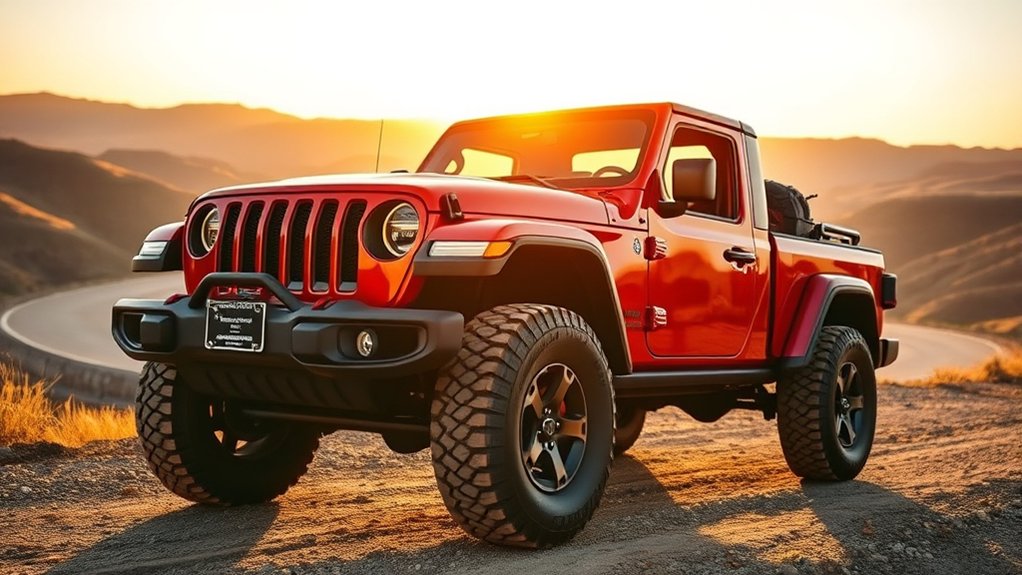
Most Jeep Gladiators can easily last between 150,000 and 200,000 miles with proper care. When you buy one, you’re getting a vehicle built for durability and rugged performance.
Many owners report hitting the 200,000-mile mark without major issues, especially if they avoid harsh driving conditions.
Of course, your Gladiator’s lifespan depends on how you use it. Frequent off-roading, heavy towing, or extreme weather can shorten its life, but moderate use on highways and city roads typically keeps it running longer.
The Gladiator’s robust engine and frame contribute to its longevity, so it’s designed to handle tough terrain and daily driving.
With realistic expectations about wear and tear, you can enjoy your Gladiator for many miles to come.
Why Regular Maintenance Extends Jeep Gladiator Lifespan
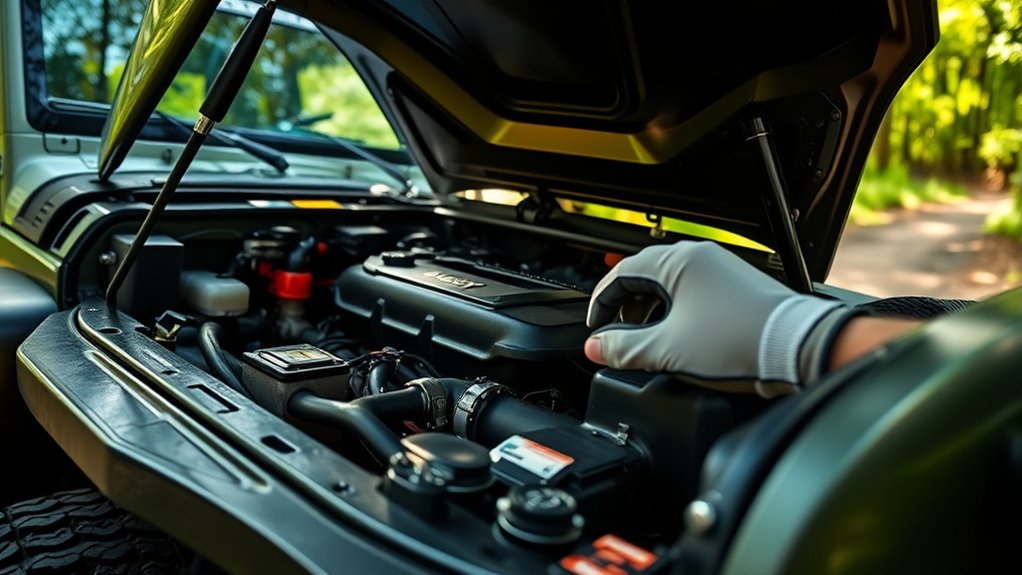
Although the Jeep Gladiator is built tough, it won’t maintain its performance without regular maintenance. You need to stay on top of oil changes, tire rotations, brake inspections, and fluid checks to keep every system running smoothly.
Skipping these routine tasks can lead to premature wear and costly repairs. Regular maintenance helps you catch small issues early before they escalate, saving you time and money.
It also ensures your Gladiator’s engine, transmission, and suspension work efficiently, extending their lifespan. By following the manufacturer’s maintenance schedule, you protect your investment and keep your Jeep reliable for many miles.
In short, consistent care isn’t just about fixing problems—it’s about preventing them and maximizing your Gladiator’s longevity.
The Role of Engine Type in Jeep Gladiator Durability
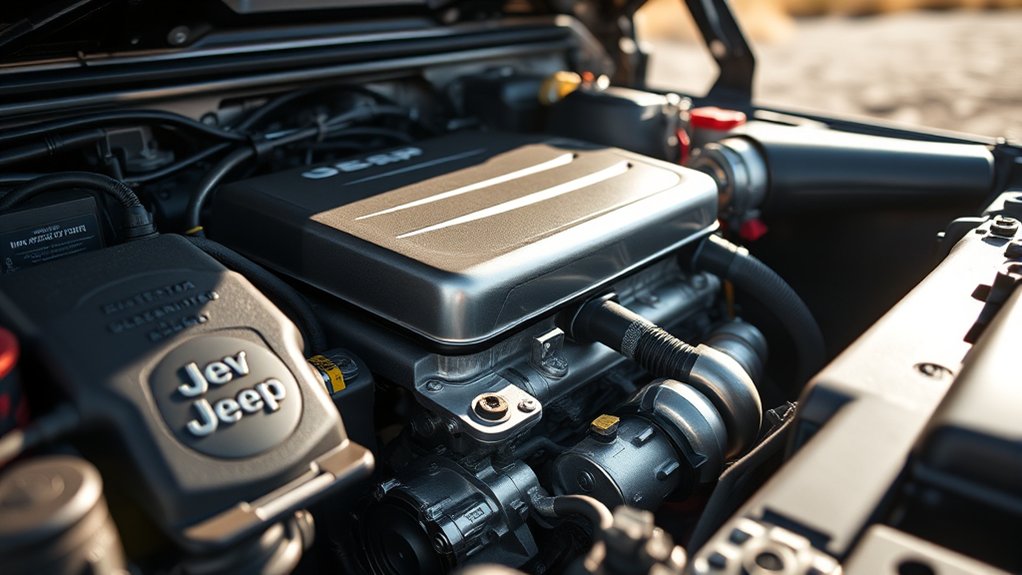
When you choose a Jeep Gladiator, the engine type you select plays a crucial role in how long your vehicle lasts. Different engines offer varying levels of durability, efficiency, and maintenance needs.
For instance, the 3.6L V6 gasoline engine provides solid performance with relatively straightforward upkeep, making it a reliable choice for everyday use.
On the other hand, the 3.0L EcoDiesel V6 engine delivers better torque and fuel efficiency, which can reduce engine strain during heavy towing or off-roading, potentially extending engine life.
However, diesel engines may require more specialized maintenance.
Understanding these differences helps you pick an engine that matches your driving demands, so you can enjoy a longer-lasting Gladiator without unexpected breakdowns or costly repairs.
How Driving Habits Affect Your Jeep Gladiator’s Mileage

Choosing the right engine sets the foundation for your Jeep Gladiator’s longevity, but how you drive it plays an equally important role in maximizing mileage. Avoid aggressive acceleration and sudden braking, as they strain the engine and reduce fuel efficiency.
Maintain steady speeds, especially on highways, to keep your Gladiator running smoothly and conserve fuel. Use cruise control when appropriate to help regulate speed and improve mileage.
Also, avoid idling for long periods; it wastes fuel and puts unnecessary wear on your engine. Regularly shifting gears at the right time, especially if you have a manual transmission, prevents engine overwork.
How Off-Road Use Impacts Jeep Gladiator Longevity
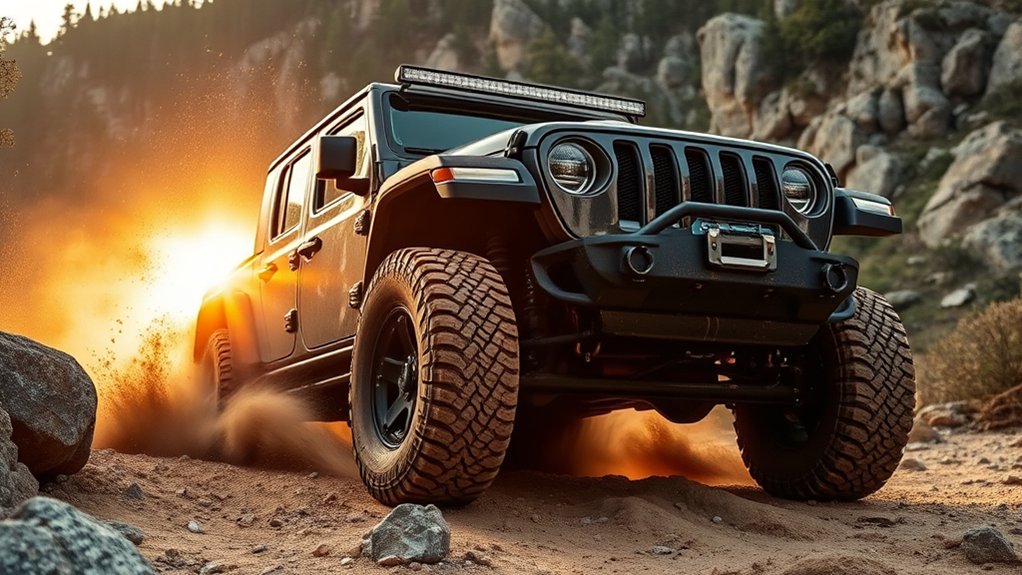
How does off-road driving affect your Jeep Gladiator’s longevity? Off-road use exposes your vehicle to rough terrains, which can accelerate wear on suspension, tires, and drivetrain components. However, with proper care, you can still enjoy off-roading without drastically shortening your Gladiator’s lifespan. Regular inspections and timely repairs become vital when you frequently tackle mud, rocks, and uneven trails.
| Component | Impact of Off-Road Use |
|---|---|
| Suspension | Increased stress, faster wear |
| Tires | Quicker tread loss, puncture risks |
| Drivetrain | Higher strain on transfer case |
How Regular Oil Changes Boost Jeep Gladiator Performance
Off-road adventures can put extra strain on your Jeep Gladiator, making it even more important to keep your engine well-lubricated. Regular oil changes ensure that dirt, debris, and metal particles don’t accumulate and wear down crucial engine parts.
Fresh oil reduces friction, helping your engine run smoother and more efficiently. When you stick to the recommended oil change intervals, you prevent sludge buildup that can clog passages and cause overheating.
This upkeep maintains ideal compression and power, giving you better performance both on and off the trail. Skipping oil changes can lead to costly repairs and reduce your Gladiator’s lifespan.
Why Tire Care Matters for Jeep Gladiator Longevity
You can’t ignore tire care if you want your Jeep Gladiator to last. Checking tire pressure regularly, rotating your tires, and ensuring proper alignment all work together to keep your ride smooth and safe.
Let’s explore how these simple steps protect your tires and extend your vehicle’s life.
Regular Tire Pressure Checks
Because tire pressure directly affects handling, fuel efficiency, and safety, regularly checking it is vital for your Jeep Gladiator’s longevity. Incorrect tire pressure can cause uneven wear, reduce gas mileage, and even lead to blowouts. You should check your tires at least once a month and before long trips. Use a reliable gauge and compare the reading to the recommended PSI found in your owner’s manual or door jamb. Maintaining ideal tire pressure ensures smoother rides and extends tire life, saving you money and hassle.
| Tire Condition | Underinflated Impact | Overinflated Impact |
|---|---|---|
| Handling | Poor steering response | Harsh ride |
| Fuel Efficiency | Reduced MPG | Slightly improved MPG |
| Tire Wear | Increased sidewall wear | Center tread wear |
| Safety | Higher blowout risk | Reduced traction |
| Longevity | Shorter tire lifespan | Uneven wear |
Tire Rotation Importance
How often do you think about the position of your Jeep Gladiator’s tires? Rotating your tires regularly is essential to guarantee even wear and extend their lifespan.
Each tire wears differently depending on its position, and rotating them prevents uneven tread wear that can lead to premature replacement. By following your manufacturer’s recommended rotation schedule, you maintain balanced handling and traction, which keeps your Gladiator driving safely and smoothly.
Uneven tire wear not only affects ride quality but also puts extra strain on your suspension and drivetrain, potentially leading to costly repairs. So, don’t overlook tire rotation—it’s a simple, cost-effective step that helps you get the most miles out of your tires and keeps your Jeep Gladiator running strong for years.
Proper Tire Alignment
When your Jeep Gladiator’s tires aren’t aligned properly, they wear unevenly and can cause handling issues that compromise safety. Misalignment puts extra stress on suspension components, leading to premature wear and costly repairs.
You’ll notice your vehicle pulling to one side or the steering wheel vibrating, signaling alignment problems. Regularly checking and adjusting your tire alignment guarantees even tread wear, improves fuel efficiency, and maintains peak control on and off-road.
Proper alignment also extends the life of your tires, saving you money over time. Make it a point to have your alignment inspected during routine maintenance or after hitting potholes or rough terrain.
Taking care of your tires keeps your Gladiator running smoothly and safely for many miles ahead.
Keeping Your Jeep Gladiator’s Suspension in Top Shape
Although your Jeep Gladiator’s suspension endures tough terrains, regular maintenance is key to preserving its performance and longevity. Start by routinely inspecting shocks, struts, and springs for signs of wear or damage. Replace any components showing leaks, cracks, or excessive rust to maintain smooth handling.
Keep suspension joints and bushings clean and lubricated to prevent premature wear. Pay attention to unusual noises or changes in ride quality, as these can signal suspension issues early.
Additionally, avoid overloading your Gladiator beyond its capacity, which can strain the suspension system unnecessarily. By staying proactive with these simple steps, you’ll guarantee your suspension remains reliable, providing a comfortable and controlled ride mile after mile on and off the road.
When to Replace Critical Jeep Gladiator Parts to Avoid Repairs
Maintaining your Jeep Gladiator’s suspension is just one part of keeping your vehicle running smoothly. You should also know when to replace critical parts to avoid costly repairs.
Change your brake pads every 30,000 to 70,000 miles, depending on usage. Inspect and replace the timing belt around 60,000 to 100,000 miles to prevent engine damage.
Keep an eye on your battery’s health, typically lasting 3 to 5 years. Swap out spark plugs every 30,000 miles for prime engine performance.
Don’t forget fluid changes—engine oil, coolant, and transmission fluid should be replaced according to your owner’s manual.
Replacing worn-out parts proactively saves you from breakdowns and extends your Gladiator’s lifespan. Stay vigilant, follow maintenance schedules, and your Jeep will serve you reliably for many miles.
How Climate and Terrain Influence Jeep Gladiator Wear and Tear
Because your Jeep Gladiator often faces different climates and terrains, these conditions directly impact how quickly its components wear out. Hot, dry environments can cause rubber seals and tires to crack faster, while cold, wet climates may promote rust and corrosion on metal parts.
Driving on rough, rocky terrain increases the strain on suspension, tires, and the drivetrain, accelerating wear. Muddy or sandy conditions can clog filters and damage moving parts if not cleaned regularly.
If you often tackle steep hills or deep water, your brakes and electrical systems work harder, which can shorten their lifespan. Understanding how your environment affects your Gladiator helps you anticipate maintenance needs and avoid unexpected breakdowns, keeping it running smoothly for more miles.
Upgrades That Help Your Jeep Gladiator Last Longer
Knowing how climate and terrain impact your Jeep Gladiator’s wear helps you identify which upgrades can extend its life.
To protect your suspension and undercarriage, consider installing heavy-duty skid plates and upgraded shocks designed for rough terrain. If you often drive in salty or wet environments, rust-resistant coatings and stainless steel components will keep corrosion at bay.
Upgrading your air filter to a high-performance, reusable model improves engine efficiency by preventing dust and debris buildup.
Additionally, switching to all-terrain or mud-terrain tires suited to your typical conditions reduces premature tire wear and enhances traction.
Finally, investing in a quality cooling system upgrade can prevent overheating during demanding drives.
These thoughtful upgrades help you maintain your Gladiator’s reliability and maximize its lifespan on any adventure.
How to Spot Early Signs of Mechanical Issues in Your Jeep Gladiator
If you catch mechanical issues early, you can save yourself from costly repairs down the road. Pay close attention to unusual sounds like knocking or grinding, which often signal engine or transmission problems.
Notice any changes in how your Jeep Gladiator drives—difficulty shifting gears, reduced power, or vibrations can indicate underlying issues. Keep an eye on warning lights on the dashboard; they’re your vehicle’s way of telling you something needs attention.
Also, check for fluid leaks under your truck regularly, as they often point to failing seals or hoses. Ultimately, monitor your brakes—if they feel spongy or make noise, address it immediately.
Early detection means you can fix small problems before they escalate, extending your Jeep Gladiator’s lifespan.
Why Keeping Detailed Service Records Extends Jeep Gladiator Life
How can you guarantee your Jeep Gladiator stays in top shape for years? Keeping detailed service records is key. When you track every oil change, tire rotation, and repair, you catch patterns early and avoid costly breakdowns. Plus, it helps you stay on schedule with maintenance, ensuring each component gets the care it needs.
Here’s how detailed records benefit you:
| Benefit | Explanation |
|---|---|
| Maintenance Tracking | Know exactly when to perform services |
| Problem Diagnosis | Spot recurring issues faster |
| Resale Value | Prove well-maintained history |
| Warranty Support | Provide proof for claims |
Preparing Your Jeep Gladiator for Harsh Weather and Terrain
Keeping detailed service records helps you maintain your Jeep Gladiator’s overall health, but preparing it specifically for harsh weather and tough terrain takes extra steps.
Start by installing all-terrain or mud-terrain tires to improve traction and durability. Check tire pressure regularly, as extreme temperatures can cause fluctuations.
Use high-quality fluids rated for low temperatures, like synthetic oil and antifreeze, to protect your engine and cooling system.
Inspect and replace weather seals and wiper blades to prevent leaks and maintain visibility in rain or snow.
Consider adding skid plates to shield the undercarriage from rocks and debris.
Ultimately, wash your Jeep thoroughly after off-road trips to remove mud, salt, and grime that can cause corrosion over time.
These steps will keep your Gladiator ready and reliable in any conditions.
How to Maintain Your Jeep Gladiator for Better Resale Value
When you invest time in regular maintenance, your Jeep Gladiator holds its value much better over the years. Keep up with scheduled oil changes, brake inspections, and fluid top-offs to assure everything runs smoothly.
Clean your Gladiator regularly, paying attention to the undercarriage to prevent rust, especially if you drive off-road or in salty conditions. Fix minor issues promptly—small dents, scratches, or mechanical glitches can deter buyers later.
Maintain detailed service records; showing potential buyers you cared for your vehicle builds trust and boosts resale value.
Also, inspect tires and replace them when worn to guarantee safety and performance.
Frequently Asked Questions
What Is the Best Jeep Gladiator Model Year for Longevity?
The 2021 Jeep Gladiator is your best bet for longevity. It features improved engineering and fewer recalls. If you maintain it well, this model can easily last over 200,000 miles without major issues.
How Does Jeep Gladiator Fuel Type Affect Its Lifespan?
Jeep Gladiators using diesel typically last longer due to better fuel efficiency and engine durability. You’ll find gasoline models need more frequent maintenance, which can affect lifespan if you don’t stay on top of it.
Are There Common Jeep Gladiator Recalls to Watch For?
Yes, you should watch for common Jeep Gladiator recalls involving airbags, fuel systems, and transmission issues. Stay updated through official Jeep channels and promptly address recalls to keep your Gladiator safe and reliable on the road.
Can Jeep Gladiators Handle Towing Without Reducing Lifespan?
Yes, your Jeep Gladiator can handle towing without reducing its lifespan if you stick to the recommended towing limits, perform regular maintenance, and avoid excessive strain. Proper care keeps it durable and reliable for years.
What Aftermarket Warranties Cover Jeep Gladiator Major Repairs?
When major repairs loom, you’ll find aftermarket warranties like CARCHEX, Endurance, and Protect My Car cover your Jeep Gladiator’s engine, transmission, and drivetrain. These plans shield your ride, so you won’t face repair bills alone.
Conclusion
Just like a trusty compass guides an explorer through uncharted lands, regular care and smart driving will steer your Jeep Gladiator toward many reliable miles. By staying on top of maintenance, watching your driving habits, and preparing for tough terrain, you’re not just extending your ride—you’re crafting a legacy of adventure. Keep your Gladiator in peak shape, and it’ll reward you with journeys as epic as the legends you’ve heard.