How Do You Make Your Jeep Compass Last Long?
To make your Jeep Compass last long, follow the manufacturer’s maintenance schedule closely, regularly checking and changing engine oil, transmission fluid, and brake components. Use high-quality fuels and fluids, keep your tires properly inflated and rotated, and protect the exterior from harsh weather with washes and waxes. Drive smoothly to minimize wear and prepare your vehicle properly when storing it for extended periods. Maintaining these steps ensures reliability and durability—there’s more to explore for full care.
Follow Your Jeep Compass’s Maintenance Schedule
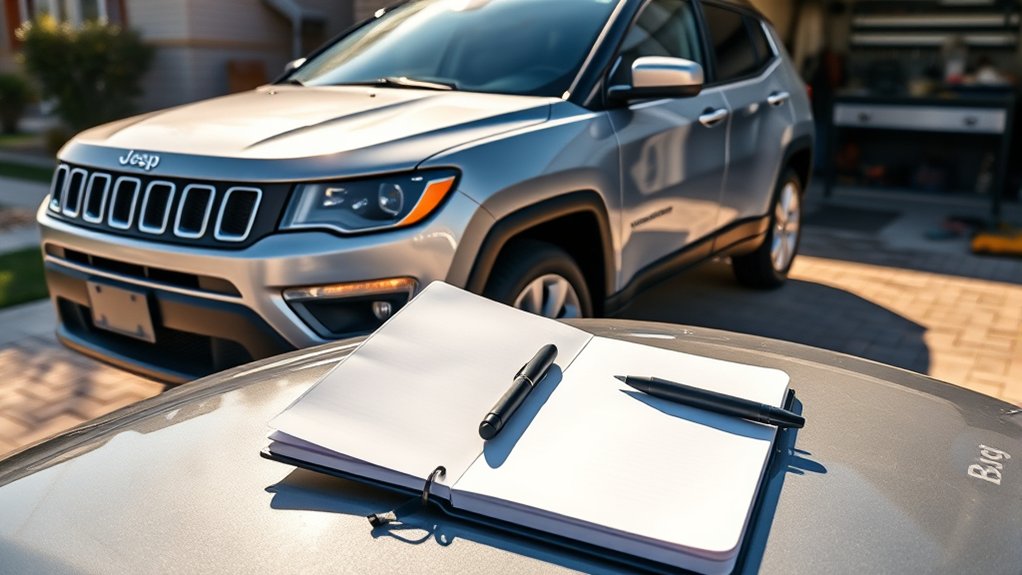
Although it might seem tedious, following your Jeep Compass’s maintenance schedule is essential for keeping it running smoothly. You’ll want to stick to the recommended service intervals listed in your owner’s manual.
This includes checking your brakes, tires, and fluids regularly to catch any issues early. Scheduled inspections help prevent small problems from turning into costly repairs.
Staying on top of filter replacements and belt inspections also guarantees your engine and other components work efficiently. Don’t skip any appointments, as dealers and trusted mechanics use these checks to spot wear and tear.
Check and Change Jeep Compass Engine Oil Regularly
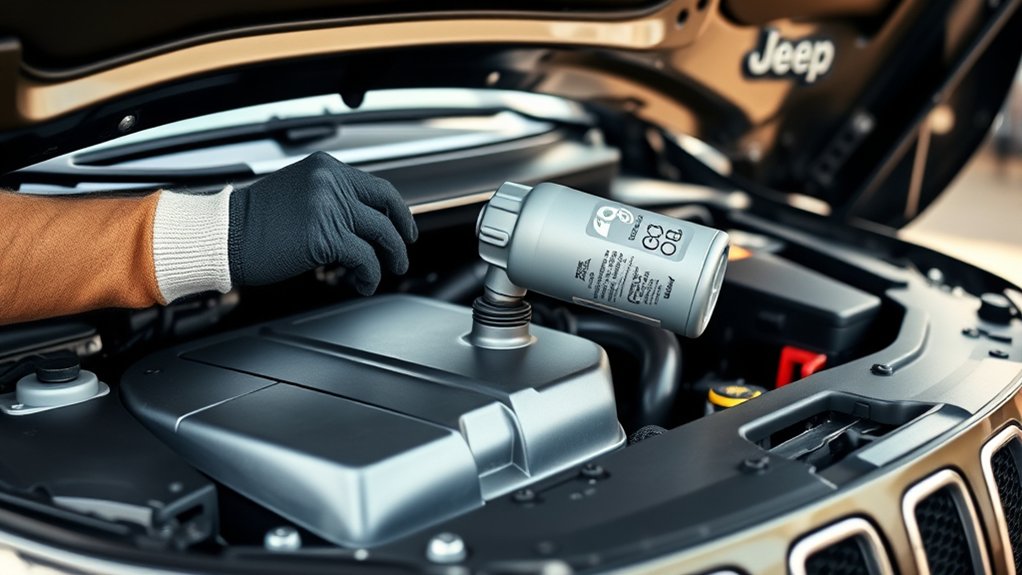
Keeping up with your Jeep Compass’s maintenance schedule naturally leads to one of the most important tasks: regularly checking and changing the engine oil. Engine oil lubricates moving parts, reduces friction, and helps keep your engine running smoothly. Neglecting this can cause severe damage and costly repairs.
Check the oil level at least once a month using the dipstick and top it off if it’s low. Follow the manufacturer’s recommendation for oil change intervals, typically every 5,000 to 7,500 miles, depending on your driving habits and conditions.
Always use the correct oil grade specified in your owner’s manual. Regular oil changes improve fuel efficiency, reduce engine wear, and extend the life of your Jeep Compass, ensuring it performs reliably for years to come.
Monitor and Change Jeep Compass Transmission Fluid
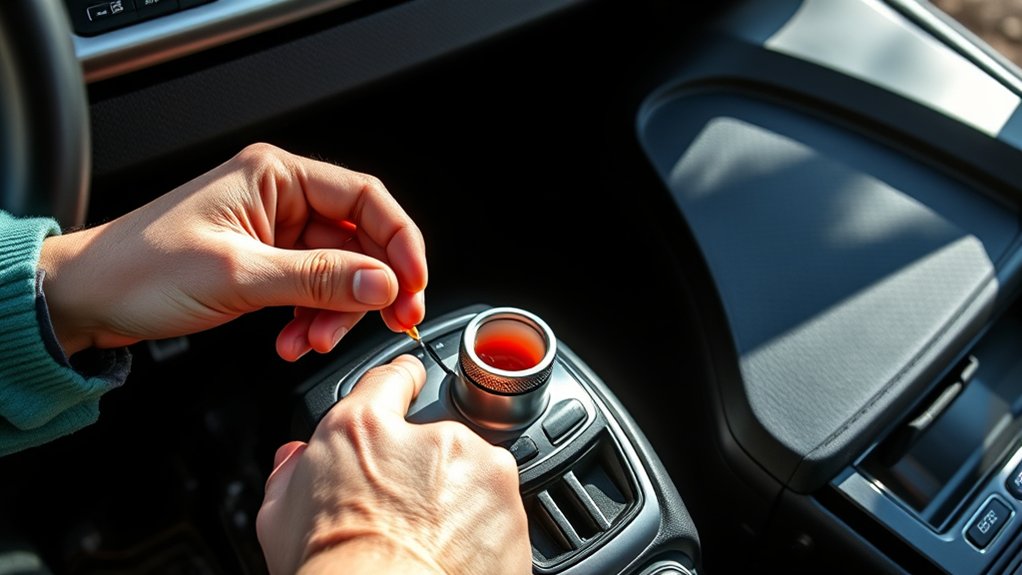
You should check your Jeep Compass transmission fluid every 30,000 to 60,000 miles to keep it running smoothly.
Watch for signs like dark color, burnt smell, or slipping gears, which mean it’s time for a change.
When replacing the fluid, follow the proper procedure to avoid damage and guarantee peak performance.
Transmission Fluid Check Frequency
Since your Jeep Compass relies heavily on smooth transmission performance, regularly checking its transmission fluid is essential to prevent costly repairs. You should inspect the fluid level and condition every 30,000 to 60,000 miles, depending on your driving habits and conditions.
If you frequently drive in stop-and-go traffic or tow heavy loads, consider checking more often. Always consult your owner’s manual for manufacturer recommendations.
Here’s a simple schedule to follow:
- Check fluid level monthly or before long trips
- Change fluid every 60,000 miles under normal use
- Shorten intervals if you tow or drive in harsh conditions
- Use the recommended transmission fluid type specified by Jeep
Sticking to this routine helps maintain transmission health and ensures your Jeep Compass runs smoothly for years.
Signs of Fluid Degradation
Although regular checks help maintain your Jeep Compass’s transmission, recognizing signs of fluid degradation is key to preventing damage. You should watch for changes in the fluid’s color and smell. Fresh transmission fluid is typically bright red and has a slightly sweet aroma.
If you notice the fluid turning dark brown or black, or it smells burnt, that’s a clear sign it’s breaking down. Additionally, if your transmission starts slipping, shifts roughly, or you hear odd noises when changing gears, the fluid might be losing its effectiveness.
Leaks under your vehicle or low fluid levels can also indicate problems. By staying alert to these symptoms, you can avoid costly repairs and keep your Jeep Compass running smoothly for years to come.
Proper Fluid Replacement Procedure
Noticing signs of fluid degradation means it’s time to check your Jeep Compass’s transmission fluid properly. Start by warming up the engine to get the fluid flowing smoothly.
Then, follow these key steps to replace the transmission fluid correctly:
- Locate the transmission fluid dipstick and check the fluid level and color.
- Drain the old fluid by removing the transmission pan or drain plug.
- Replace the transmission filter, if applicable, to keep contaminants out.
- Refill with the manufacturer-recommended transmission fluid type and quantity.
Make sure you use the right fluid to avoid damage and always dispose of old fluid responsibly.
Regularly monitoring and timely fluid replacement keeps your transmission running smoothly and extends your Jeep Compass’s life.
Use Quality Fuel and Fluids to Protect Your Jeep Compass
When you choose high-quality fuel and fluids, you give your Jeep Compass the best chance to perform smoothly and avoid costly damage. Using premium gasoline helps maintain engine efficiency and reduces carbon buildup. Likewise, selecting the correct fluids, like synthetic oil and genuine coolant, guarantees ideal lubrication and prevents overheating. Avoid cheap alternatives—they can degrade performance and cause premature wear. Always check your owner’s manual for recommended grades and types. Here’s a quick guide:
| Fluid/Fuel Type | Recommended Quality |
|---|---|
| Fuel | Premium or Top Tier Gas |
| Engine Oil | Synthetic, Specified Grade |
| Transmission Fluid | OEM Approved |
| Coolant | Genuine or Equivalent |
| Brake Fluid | DOT 3 or Higher |
Stick to these choices, and your Jeep Compass will stay reliable longer.
Keep Jeep Compass Tires Inflated and Rotated
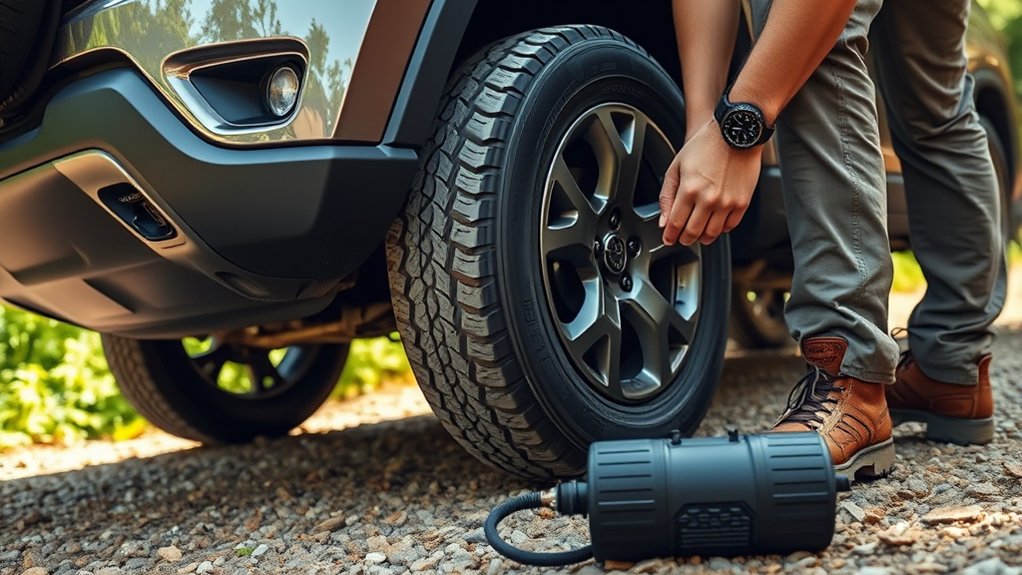
You’ll want to keep your Jeep Compass tires properly inflated to maintain fuel efficiency and safety.
Make sure to rotate them every 5,000 to 7,000 miles to prevent uneven wear.
Watch for signs like vibrations or visible tread differences, which mean it’s time for a checkup.
Tire Pressure Importance
How often do you check your Jeep Compass’s tire pressure? Keeping your tires properly inflated is vital for safety, fuel efficiency, and tire longevity.
Underinflated tires cause uneven wear, reduce gas mileage, and increase the risk of blowouts. Overinflated tires, on the other hand, can lead to a harsh ride and uneven tread wear.
You should check pressure monthly and before long trips. Here’s why it matters:
- Guarantees maximum contact with the road for better handling
- Prevents premature tire wear and costly replacements
- Helps maintain proper fuel efficiency and reduces emissions
- Reduces strain on suspension components, extending their lifespan
Rotation Frequency Guidelines
Maintaining proper tire pressure sets the foundation for your Jeep Compass’s performance, but keeping your tires rotated regularly guarantees even wear and extends their lifespan.
You should rotate your tires every 6,000 to 8,000 miles, or roughly at every oil change. This frequency helps distribute the wear evenly across all tires, preventing premature replacement.
If you drive frequently on rough roads or carry heavy loads, consider rotating more often.
Follow the rotation pattern recommended in your owner’s manual, typically front-to-back or cross-pattern rotations, depending on your tire type.
Regular rotations not only improve tire longevity but also maintain balanced handling and fuel efficiency.
Don’t skip this simple step—it’s key to keeping your Jeep Compass safe and reliable on the road.
Signs of Uneven Wear
If your Jeep Compass’s tires show uneven tread wear, it’s a clear sign that something’s off with your tire pressure or rotation schedule. Uneven wear can lead to poor handling and reduced tire life, so catching it early is essential.
Keep an eye out for these signs:
- Bald spots on one side of the tire, indicating improper rotation or alignment issues.
- Feathered edges that feel rough when you run your hand over the tread.
- Cupping or scalloping, which causes a bumpy ride and signals suspension problems.
- Tread depth differences between tires, showing uneven pressure or infrequent rotation.
Inspect and Replace Jeep Compass Brake Components
Because your Jeep Compass relies on its braking system for safety and performance, you need to regularly inspect and replace its brake components. Start by checking the brake pads for thickness; if they’re worn down to about 3mm, it’s time to replace them.
Also, inspect the rotors for grooves or warping, which can reduce braking efficiency. Don’t forget to examine the brake fluid level and condition—low or dirty fluid can cause poor braking response.
When replacing parts, always use quality components designed for your Jeep Compass to guarantee proper fit and function.
Regular maintenance of brake lines, calipers, and hardware helps prevent failure and keeps your brakes responsive. Staying on top of these tasks safeguards your vehicle’s longevity and your driving safety.
Keep Your Jeep Compass Cooling System Running Smoothly
To keep your Jeep Compass running reliably, you need to guarantee its cooling system stays in top shape. Overheating can cause serious engine damage, so regular attention is essential.
Start by checking the coolant level and topping it off with the right mixture. Inspect hoses and belts for cracks or leaks, replacing any worn parts promptly.
Flush the radiator and replace the coolant according to your owner’s manual schedule to remove build-up and contaminants. Also, verify the radiator fan operates correctly to maintain proper airflow.
- Check coolant levels every month
- Inspect hoses and belts for wear
- Flush and replace coolant as recommended
- Test radiator fan function regularly
These steps will help your Jeep Compass avoid overheating and extend its lifespan.
Check and Maintain Your Jeep Compass Battery Regularly
You should watch for battery health indicators like slow engine starts or dim lights to catch issues early.
Regularly clean the battery terminals to prevent corrosion and guarantee a solid connection.
Don’t forget to schedule battery tests to keep your Jeep Compass running reliably.
Battery Health Indicators
How often do you check your Jeep Compass battery to make certain it’s in good shape? Keeping an eye on battery health indicators helps you avoid unexpected breakdowns.
Here’s what you should monitor regularly:
- Voltage levels: Use a multimeter; healthy batteries typically show around 12.6 volts when the engine is off.
- Corrosion signs: Look for white or blue powder near terminals, which can affect performance.
- Battery age: Most batteries last 3-5 years; replace it if it’s older or showing signs of weakness.
- Starting performance: Notice if your Compass struggles to start or if electrical components act sluggish.
Cleaning Battery Terminals
Although battery health is crucial, cleaning the terminals regularly guarantees a strong connection and prevents corrosion from interfering with your Jeep Compass’s performance.
Start by turning off your engine and removing the keys. Use a wrench to loosen the terminal clamps, then carefully detach the negative terminal first, followed by the positive.
Inspect the terminals for corrosion—white, ashy buildup signals trouble. Mix baking soda with water to create a cleaning solution, then scrub the terminals and clamps gently with an old toothbrush.
Rinse with clean water and dry thoroughly to avoid moisture buildup.
Reattach the terminals, connecting the positive first, then the negative, and tighten the clamps securely.
Regular cleaning ensures your battery delivers consistent power, helping your Jeep Compass run smoothly and last longer.
Schedule Regular Battery Tests
Keeping your battery terminals clean helps maintain a solid connection, but it’s just as important to schedule regular battery tests to catch any hidden issues early. Testing your Jeep Compass battery guarantees it holds a proper charge and prevents unexpected breakdowns.
You can either use a multimeter or visit a professional for a thorough check. Here’s what you should focus on during battery tests:
- Measure voltage to confirm it’s within the recommended range (usually around 12.6 volts when fully charged)
- Perform a load test to see how the battery performs under stress
- Check for signs of corrosion or damage on the battery casing
- Inspect the charging system to ensure the alternator is working properly
Regular tests keep your battery reliable and extend its lifespan.
Clean and Protect Jeep Compass Exterior and Undercarriage
Since your Jeep Compass faces dirt, grime, and road salt daily, regularly cleaning and protecting its exterior and undercarriage is essential to prevent rust and maintain its appearance.
Start by washing your vehicle with a mild soap designed for cars, focusing on removing salt and mud buildup, especially underneath. Use a high-pressure hose to reach the undercarriage, where debris often accumulates and causes corrosion.
After washing, apply a protective wax or sealant to the exterior paint to shield it from contaminants. For the undercarriage, consider using a rust inhibitor spray to create a barrier against moisture.
Consistent cleaning and protection not only preserve your Jeep’s look but also extend its structural integrity, helping it stay reliable and looking great longer.
Shield Your Jeep Compass From Harsh Weather Damage
When you drive your Jeep Compass through rain, snow, or intense sun, its components face constant wear and tear. To shield your vehicle from harsh weather damage, you need to take proactive steps.
Regularly applying a weather-resistant wax helps protect the paint from UV rays and moisture.
Using all-weather floor mats keeps the interior clean and prevents mold during wet seasons.
Park your Jeep in a garage or use a durable car cover to guard against hail, frost, and sun damage.
Finally, inspect and maintain the seals around doors and windows to prevent water leaks and rust.
- Apply weather-resistant wax every few months
- Use all-weather floor mats inside
- Park in a covered area or use a car cover
- Check and maintain door and window seals regularly
Don’t Ignore Warning Lights or Strange Noises
If your Jeep Compass starts showing warning lights or making unusual noises, don’t brush them off. These signals are your vehicle’s way of telling you something needs attention. Ignoring them can lead to bigger, costlier problems down the road.
When a warning light appears, check your owner’s manual to understand its meaning and act promptly.
If you hear strange sounds like grinding, squealing, or knocking, investigate immediately or visit a trusted mechanic. Addressing these issues early helps prevent damage to essential components and keeps your Jeep running smoothly.
Staying alert to warning signs not only protects your investment but also ensures your safety on the road. Don’t wait—responding quickly makes your Jeep Compass last longer.
Drive Smoothly to Reduce Wear and Tear
Although it might be tempting to accelerate quickly or brake hard, driving your Jeep Compass smoothly considerably reduces wear and tear on its components. You’ll extend the life of your engine, brakes, and suspension by treating your vehicle gently.
Here’s how you can drive more smoothly:
- Accelerate gradually to avoid putting stress on the engine and transmission.
- Anticipate stops and coast to brake gently, reducing brake pad wear.
- Avoid sudden steering maneuvers that strain the suspension and tires.
- Maintain a consistent speed to prevent unnecessary shifting and fuel consumption.
How to Store Your Jeep Compass When You’re Not Driving
Wondering how to keep your Jeep Compass in top shape during periods of inactivity? Start by parking it in a dry, covered area to shield it from weather damage. Use a breathable car cover to prevent dust buildup and moisture accumulation.
Before storing, fill the gas tank to avoid condensation and add a fuel stabilizer. Disconnect the battery to prevent drainage, or use a trickle charger if you plan to store it long-term.
Check tire pressure and inflate tires to the recommended level to avoid flat spots. Also, consider placing the car on jack stands if storage will exceed a few months.
Finally, keep the interior clean and leave windows slightly cracked for ventilation. These steps help uphold your Jeep Compass and ensure it’s ready when you hit the road again.
Frequently Asked Questions
Can Aftermarket Parts Affect My Jeep Compass’s Longevity?
Yes, aftermarket parts can affect your Jeep Compass’s longevity. If you choose low-quality or incompatible parts, they might cause damage or wear faster. Always pick reputable brands and guarantee proper installation to keep your Jeep running smoothly.
How Does Off-Roading Impact My Jeep Compass’s Lifespan?
Off-roading puts extra stress on your Jeep Compass’s suspension, tires, and drivetrain, which can shorten its lifespan if you don’t maintain it properly. Regular inspections and timely repairs help you keep it running strong longer.
Are There Specific Driving Habits to Avoid for Engine Health?
Contrary to what some say, revving your engine hard right after starting isn’t good. You shouldn’t slam the brakes or accelerate aggressively either. Instead, drive smoothly and avoid harsh habits to keep your engine running strong longer.
How Often Should I Update My Jeep Compass’s Software?
You should update your Jeep Compass’s software every time the manufacturer releases a new version or patch. Regular updates improve performance, fix bugs, and enhance safety features, so don’t skip checking for updates frequently.
Does Adding Roof Racks Affect My Jeep Compass’s Durability?
Adding roof racks can slightly reduce your Jeep Compass’s fuel efficiency by up to 10%, but they don’t considerably affect durability if installed correctly. Just make sure to avoid overloading and regularly check mounting points for wear.
Conclusion
If you want your Jeep Compass to outlast a century, you’ve got to treat it like royalty. Skipping oil changes or ignoring warning lights? That’s like asking your ride to take a nosedive. Keep up with maintenance, use quality fuel, and drive smoothly—you’re not just preserving a car, you’re protecting a legacy. Follow these steps religiously, and your Jeep Compass will stick with you through every wild adventure life throws your way.