How You Flat Tow a Jeep Wrangler Automatic Transmission Step by Step
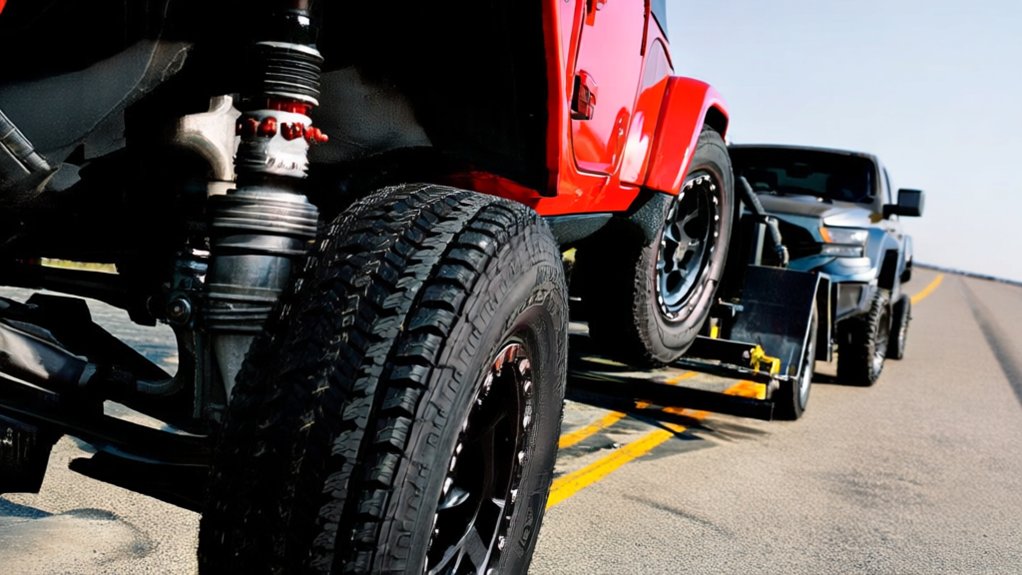
To flat tow your Jeep Wrangler with an automatic transmission, first confirm compatibility in your owner’s manual. Prepare by checking and topping off the transmission fluid, then engage neutral and release the parking brake. Attach a proper tow bar, safety chains, and connect the wiring harness securely. Drive cautiously, avoiding abrupt moves to protect the transmission. After you’re done, inspect fluids and equipment for wear. If you want to make certain of smooth, safe towing every time, there’s more to reflect on before hitting the road.
Key Takeaways
- Confirm your Jeep Wrangler’s model supports flat towing and follow manufacturer guidelines for automatic transmission precautions.
- Engage neutral gear, fully release the parking brake, and turn the ignition to “On” to enable transmission fluid circulation.
- Securely attach the compatible tow bar, safety chains, and connect the electrical wiring for brake lights and signals.
- Use a supplemental braking system compatible with automatic transmissions to ensure safe stopping.
- Drive smoothly, maintain safe distances, and regularly check all connections and transmission fluid during towing.
Check If Your Jeep Wrangler Can Be Flat Towed
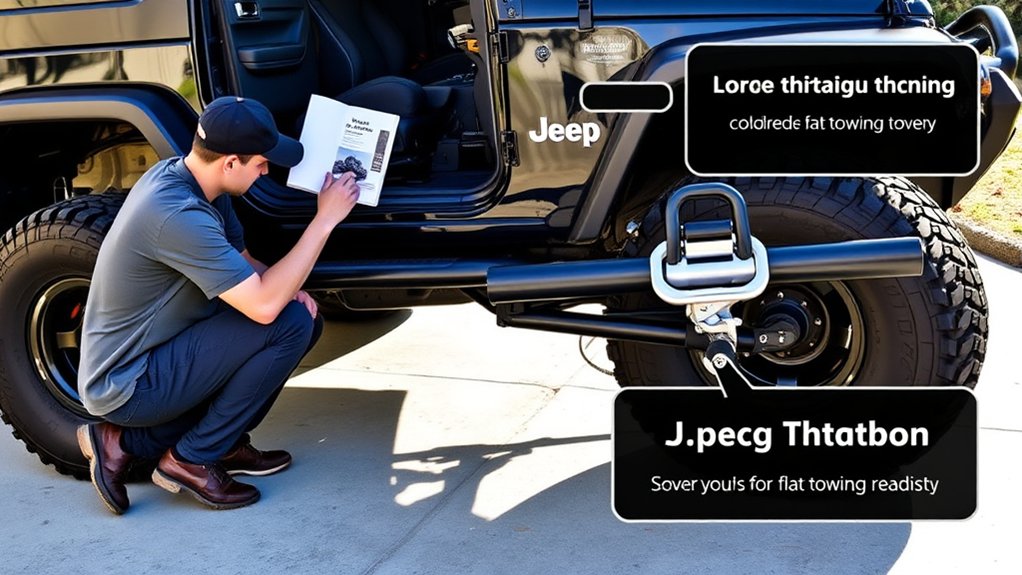
Before you start flat towing your Jeep Wrangler, you need to confirm whether your specific model supports it. Not all Jeep Wranglers are designed for flat towing, especially when it comes to automatic transmissions. Check your owner’s manual or contact Jeep directly to see if your model allows flat towing without modifications.
Look for terms like “dinghy towing” or “flat towing” under towing specifications. You’ll also want to verify if your transfer case supports flat towing; many Wranglers with a manual or part-time 4WD system are okay, but some automatic versions require extra equipment or aren’t permitted at all.
Confirming these details upfront saves you from costly damages and ensures safe towing on the road. Don’t skip this step!
Learn Why Automatic Transmissions Need Special Flat Towing Care
When you flat tow your Jeep Wrangler with an automatic transmission, keeping the transmission fluid circulating is essential. Without proper fluid movement, the gearbox can overheat and suffer serious damage.
Understanding this helps you protect your transmission during flat towing.
Transmission Fluid Circulation
Why does your Jeep Wrangler’s automatic transmission need special attention during flat towing? The key lies in transmission fluid circulation.
When your engine runs, the transmission pump actively circulates fluid, lubricating and cooling internal components. However, during flat towing, the engine is off, so the pump doesn’t work. Without fluid circulation, vital parts can overheat and suffer damage from friction.
This is why automatic transmissions aren’t naturally suited for flat towing without precautions. You need to understand that the transmission fluid isn’t moving, which increases the risk of wear.
To protect your transmission, you’ll have to take specific steps to guarantee fluid reaches all necessary areas even when the vehicle isn’t running. This understanding is essential before you tow your Jeep safely.
Preventing Gearbox Damage
Understanding that your Jeep’s transmission fluid isn’t circulating during flat towing highlights the risk of gearbox damage. Without fluid flow, essential components don’t get lubrication or cooling, which can cause overheating and premature wear.
To prevent this, avoid flat towing your Jeep automatic transmission for extended distances or at high speeds. If you must tow, use a transmission lubrication pump or disconnect the driveshaft and use a dolly for the rear wheels.
Regularly check your transmission fluid level and condition before and after towing. Also, follow the manufacturer’s guidelines closely to protect your gearbox.
Gather the Tools and Equipment for Flat Towing Your Jeep
Before you hit the road, you’ll need to gather the essential tools and equipment to flat tow your Jeep Wrangler with an automatic transmission safely. Start with a high-quality tow bar designed for your Jeep’s size and weight.
You’ll also need safety chains to secure the connection between your Jeep and the towing vehicle. Don’t forget a baseplate kit compatible with your Wrangler; it’s critical for attaching the tow bar.
A wiring harness is necessary to connect the Jeep’s lighting system to the tow vehicle, ensuring brake lights and turn signals function properly.
Additionally, having a supplemental braking system is a smart safety measure, as it helps control the Jeep’s brakes during towing.
Finally, keep wheel chocks and a set of basic hand tools handy for setup and emergencies.
Prepare Your Jeep Wrangler’s Transmission for Flat Towing
Since improper preparation can damage your Jeep Wrangler’s automatic transmission, you’ll need to follow specific steps to assure it’s ready for flat towing.
Start by consulting your owner’s manual to verify if your model supports flat towing and to understand any manufacturer recommendations.
Next, check the transmission fluid level and condition; top off or replace it if necessary to ensure proper lubrication during towing.
Engage the neutral tow mode if your Jeep has one—this mode prevents internal transmission damage by disengaging certain components.
If your Wrangler doesn’t have a neutral tow mode, consider installing a transmission lubricant pump to maintain fluid flow while being towed.
Finally, disable any electronic parking assists or features that could interfere with towing.
Taking these precautions safeguards your transmission and keeps your Jeep ready for the road.
Put Your Jeep in Neutral and Release the Parking Brake
After preparing your Jeep Wrangler’s transmission for flat towing, the next step is to put your Jeep in neutral and release the parking brake.
Start by pressing the brake pedal firmly and shifting the gear selector into the neutral (N) position. This disengages the transmission, allowing the wheels to roll freely without damaging the drivetrain.
Next, locate the parking brake lever or pedal and fully release it to confirm the brakes won’t hold the wheels in place during towing.
Double-check that the gear indicator clearly shows neutral and verify that the parking brake is off. This step is essential to prevent unnecessary wear or mechanical issues while flat towing your Jeep.
Once done, your Jeep is ready to roll smoothly behind the tow vehicle.
Unlock Your Jeep’s Steering for Safe Flat Towing
Before you start flat towing, make sure to disengage your Jeep’s steering using the manual lock release. This step is essential to prevent the steering wheel from locking while in motion.
Always follow safety precautions to keep control and avoid damage during towing.
Steering Unlock Mechanism
To flat tow your Jeep Wrangler safely, you’ll need to disengage the steering mechanism first. This step guarantees the wheels can turn freely without damaging the steering system.
Here’s what you must do to release the steering mechanism:
- Turn the ignition to the “On” position without starting the engine.
- Gently turn the steering wheel left and right until you feel the lock release.
- Avoid forcing the wheel, as this could damage internal components.
- Confirm the steering moves smoothly before proceeding with towing.
Manual Lock Release
When your Jeep Wrangler’s steering lock won’t disengage through the ignition method, you’ll need to manually release it to guarantee safe flat towing.
First, locate the manual lock release slot near the steering column. It’s usually covered by a small plastic cap you can pry off gently.
Insert the key or a flathead screwdriver into the slot and apply slight pressure while turning the steering wheel. This action should unlock the steering column, allowing it to move freely.
Make sure the steering wheel isn’t stuck between lock points; if it is, wiggle it gently while applying pressure.
Once unlocked, test the steering movement to confirm it rotates smoothly without locking.
This simple step prevents steering lock issues during towing, ensuring safer handling on the road.
Safety Precautions
Manually releasing your Jeep’s steering lock guarantees it won’t seize during flat towing, but taking extra safety precautions will keep both you and your vehicle protected.
Before you hit the road, double-check that the steering wheel moves freely to avoid dangerous jerks or loss of control.
Always use the proper tow bar and safety chains, ensuring they’re securely attached. Never skip inspecting your brake lights and turn signals—they’re crucial for communicating with other drivers.
Finally, drive cautiously and avoid sudden stops or sharp turns to prevent strain on the transmission and steering system.
Remember, these steps aren’t just about your Jeep—they’re about your safety and everyone else’s on the road.
- Confirm steering wheel releases completely
- Secure tow bar and safety chains firmly
- Test brake lights and turn signals
- Drive gently; avoid sudden maneuvers
Install and Connect the Tow Bar on Your Jeep Wrangler
Although attaching the tow bar may seem straightforward, ensuring a secure connection to your Jeep Wrangler is essential for safe towing.
First, align the tow bar with the mounting brackets on your Jeep’s frame. Slide the tow bar arms onto the brackets, making sure they sit flush and square.
Begin by aligning the tow bar with your Jeep’s frame brackets, ensuring the arms fit flush and square.
Insert the locking pins through the holes on both the tow bar arms and the mounting brackets, then secure them with the safety clips to prevent accidental disengagement.
Double-check that the tow bar is properly centered to avoid uneven stress during towing.
Tighten any adjustable components according to the manufacturer’s instructions, ensuring a firm fit without over-tightening.
Once everything is connected, give the tow bar a firm shake to confirm it’s locked in place securely before hitting the road.
Attach Safety Chains and Connect Electrical Wiring
Now that your tow bar is set, you’ll want to attach the safety chains securely to prevent any accidents.
Next, connect the electrical wiring to keep your Jeep’s lights synced with your towing vehicle.
Make sure all connections are tight and secure before hitting the road.
Safety Chain Attachment Basics
A crucial step in flat towing your Jeep Wrangler is securely attaching the safety chains and connecting the electrical wiring. Safety chains act as a backup, preventing your Jeep from completely detaching if the hitch fails.
When attaching the chains, remember:
- Cross the chains under the hitch to create a cradle that catches the tongue if it drops.
- Guarantee chains have enough slack for turning but aren’t dragging on the ground.
- Hook the chains to solid points on both vehicles, never to the bumper or plastic parts.
- Double-check that all hooks are locked and secure before driving.
Connecting the wiring ensures your Jeep’s brake lights and turn signals sync with your towing vehicle, keeping you safe on the road.
Don’t skip these steps—they’re critical for a worry-free tow.
Proper Electrical Connector Setup
Before you hit the road, make sure you properly connect the electrical wiring between your Jeep and towing vehicle to synchronize brake lights, turn signals, and other essential functions. Start by plugging the wiring harness from the tow vehicle into the Jeep’s connector, ensuring it fits securely without forcing.
Check each light function—brake, turn signals, and running lights—to confirm they work in unison. This step is vital for safety and legal compliance.
Additionally, attach the safety chains by crossing them under the hitch and hooking them to the designated points on your Jeep. These chains act as a backup if the hitch fails.
Properly setting up these electrical connections and safety chains ensures smooth communication between vehicles and keeps you safe on the road.
Securing Connections for Safety
Though connecting your Jeep to the tow vehicle might seem straightforward, securing the safety chains and electrical wiring properly is crucial to prevent accidents and guarantee full functionality.
Start by crossing the safety chains under the hitch; this creates a cradle that catches the tongue if it disconnects. Attach them securely to both vehicles, ensuring they aren’t too loose or tight.
Next, connect the electrical wiring harness to synchronize brake lights, turn signals, and other essential functions.
Remember to:
- Double-check chain hooks for secure closure
- Avoid letting chains drag on the ground
- Verify electrical connectors are weatherproof
- Test all lights before hitting the road
Taking these steps protects you and others while keeping your Jeep’s signals clear and reliable.
Set Up a Supplemental Braking System for Your Jeep Wrangler
When you’re flat towing your Jeep Wrangler with an automatic transmission, setting up a supplemental braking system guarantees safer stops and better control. This system activates your Wrangler’s brakes simultaneously with your tow vehicle, reducing wear and enhancing safety. You’ll need to choose a compatible brake controller and verify the wiring connects properly.
Here’s a quick guide to key components and considerations:
| Component | Purpose |
|---|---|
| Brake Controller | Controls braking force |
| Wiring Harness | Connects Jeep to tow vehicle |
| Brake Sensors | Detects when brakes are applied |
| Battery Backup | Ensures power supply reliability |
| Installation Kit | Includes mounting hardware |
Setting this up correctly keeps your Jeep responsive and your towing experience safe.
Test Your Jeep’s Tow Setup Before Hitting the Road
Before you hit the road, double-check the tow bar connection to confirm it’s secure.
Make sure your Jeep’s transmission fluid is at the right level to prevent damage.
Finally, test the brake and signal lights so other drivers know your intentions.
Verify Tow Bar Connection
Since a secure connection guarantees safe towing, you’ll want to double-check every component of your tow bar setup before you hit the road. Start by inspecting the tow bar’s attachment points on both your Jeep and the towing vehicle.
Make sure the safety chains are crossed and firmly hooked—never leave them loose. Verify that the electrical connections for brake lights and turn signals are working properly; this keeps you visible and compliant.
Finally, give the entire assembly a firm shake to detect any looseness or unusual movement.
- Avoid surprises with a reliable attachment
- Boost confidence before long drives
- Prevent accidents caused by faulty connections
- Ensure safety for you and others on the road
Check Jeep Transmission Fluid
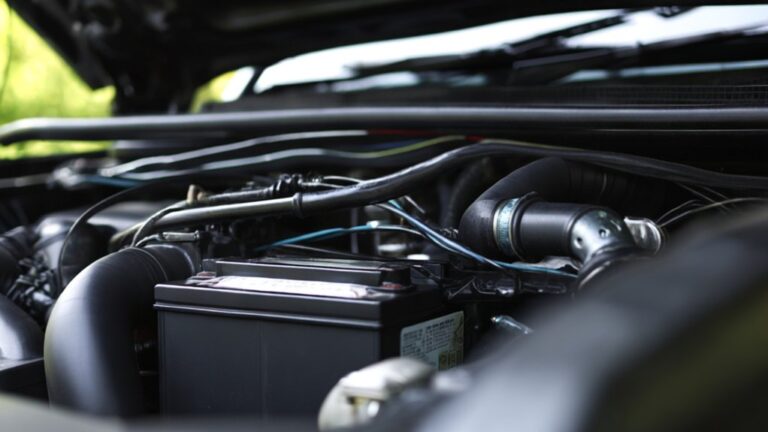
A critical step in flat towing your Jeep Wrangler with an automatic transmission is checking the transmission fluid level and condition. Before you hit the road, pop the hood and locate the transmission dipstick.
With the engine warm and running, pull out the dipstick, wipe it clean, then reinsert it fully. Pull it out again to check the fluid level—it should be within the marked range.
Also, inspect the fluid’s color and smell; healthy fluid is translucent red and odorless. If it’s dark or smells burnt, you need a fluid change before towing.
Proper fluid levels prevent transmission damage during flat towing, especially since the transmission isn’t running independently. Don’t skip this step; it guarantees your Jeep’s transmission stays protected throughout your trip.
Test Brake and Signal Lights
While setting up your Jeep Wrangler for flat towing, you’ll want to test the brake and signal lights to make sure everything communicates properly with your tow vehicle. Faulty lights can lead to dangerous situations or legal issues, so don’t skip this essential step.
Here’s how to check effectively:
- Connect the Jeep to the tow vehicle and turn on the ignition.
- Activate the brake pedal and have someone confirm the brake lights on the Jeep illuminate.
- Test the left and right turn signals to ensure the indicators flash correctly.
- Check the hazard lights for proper simultaneous flashing.
Doing these checks will give you peace of mind and keep you safe on the road while flat towing your Jeep Wrangler.
Drive Safely While Flat Towing Your Jeep Wrangler
When you flat tow your Jeep Wrangler with an automatic transmission, maintaining control and awareness on the road becomes even more essential. You need to drive smoothly, avoiding sudden stops, sharp turns, or rapid accelerations to prevent strain on the tow setup.
Keep a safe distance from other vehicles to give yourself enough reaction time. Regularly check your mirrors to monitor the Jeep and guarantee it’s tracking properly behind you.
Pay close attention to speed limits, especially since towing increases stopping distances. Use your signals early and clearly to communicate your intentions.
If you encounter steep hills or rough terrain, proceed cautiously to protect both vehicles. Staying alert and driving defensively will help you tow safely and confidently every time.
Avoid These Common Mistakes When Flat Towing
If you want to keep your Jeep Wrangler and towing setup in good condition, you’ll need to steer clear of several common mistakes. Flat towing isn’t just about hooking up and driving; it requires attention to detail to avoid costly damage.
Don’t make these errors:
- Skipping the proper neutral gear setup, which can wreck your transmission.
- Forgetting to disconnect the parking brake, causing brake wear or failure.
- Ignoring your tow bar’s weight limits, risking unsafe towing conditions.
- Neglecting regular checks on lights and connections, leading to dangerous road situations.
Maintain Your Jeep Wrangler After Flat Towing Trips
Since flat towing puts extra strain on your Jeep Wrangler’s drivetrain and components, you’ll want to perform a thorough inspection and maintenance routine after each trip to guarantee everything stays in good working order. Check fluid levels, look for leaks, and inspect the tow bar and wiring for damage. Don’t forget to test your brakes and tires too.
| Component | What to Check | Maintenance Tip |
|---|---|---|
| Transmission Fluid | Level and condition | Top off or change if dirty |
| Drive Shaft | Joints and seals | Lubricate and inspect for wear |
| Tow Bar | Secure attachments | Tighten bolts and clean contacts |
| Tires | Pressure and tread depth | Inflate to recommended PSI |
| Brake System | Brake pads and connections | Replace worn pads and test brakes |
Troubleshoot Common Flat Towing Issues and Solutions
After you complete maintenance checks on your Jeep Wrangler following a flat towing trip, you might still encounter some common issues. Don’t worry—knowing how to troubleshoot can save you time and stress.
Here are a few issues you might face and their solutions:
- Transmission Overheating: Check fluid levels and let your Jeep cool down before driving.
- Brake Light Malfunctions: Inspect wiring connections between the tow vehicle and Jeep.
- Dragging Brakes: Ensure the parking brake is fully released and cables aren’t stuck.
- Unusual Noises: Listen for loose parts or worn driveshaft components and tighten or replace as needed.
Addressing these problems quickly keeps your Jeep safe and ready for the road.
Stay proactive, and you’ll enjoy smooth flat towing every time.
Know When Not to Flat Tow Your Jeep Wrangler
Although flat towing your Jeep Wrangler can be convenient, you shouldn’t do it in every situation. Avoid flat towing if your Jeep’s transfer case lacks a proper neutral position designed for towing. Towing in gear can damage the transmission.
Also, don’t flat tow if you’re unsure whether your model supports it—consult your owner’s manual to confirm.
Avoid towing on rough or steep terrain for long distances, as this puts extra strain on your drivetrain.
If your Jeep has aftermarket modifications that affect the drivetrain, check compatibility before flat towing.
Finally, don’t flat tow if you don’t have the right equipment, like a high-quality tow bar or base plates.
Knowing when not to flat tow helps protect your Jeep and ensures safe, damage-free towing.
Frequently Asked Questions
Can I Flat Tow a Jeep Wrangler With a Manual Transmission?
Yes, you can flat tow a Jeep Wrangler with a manual transmission. Just make sure it’s in neutral, the transfer case is in neutral, and you follow the manufacturer’s guidelines to avoid damaging the drivetrain during towing.
How Does Flat Towing Affect My Jeep’s Fuel Efficiency?
Flat towing your Jeep decreases fuel efficiency because your engine works harder pulling extra weight. You’ll notice more fuel consumption, especially at higher speeds or on inclines, so plan for increased fuel stops on long trips.
What Insurance Coverage Is Needed for Flat Towing a Jeep?
You’ll need thorough and collision coverage to protect your Jeep while flat towing. Also, check if your policy covers towing-related damages and notify your insurer to ensure you’re fully covered during flat towing trips.
Are There Specific Tire Pressure Recommendations for Flat Towing?
Yes, you should check your Jeep’s manual for specific tire pressure recommendations when flat towing. Usually, keeping tires inflated to the manufacturer’s suggested PSI helps prevent damage and guarantees a safer, smoother towing experience.
Can I Flat Tow My Jeep Wrangler in Snowy or Icy Conditions?
You can flat tow your Jeep Wrangler in snowy or icy conditions, but you’ve got to be extra cautious. Reduced traction and slippery roads increase risk, so drive slowly, avoid sudden moves, and make sure your tow setup is secure.
Conclusion
Now that you know the ropes for flat towing your Jeep Wrangler with an automatic transmission, you’re set to hit the road worry-free. Just remember to double-check your setup, avoid common pitfalls, and keep up with maintenance after each trip. Taking these steps guarantees your Jeep stays in top shape and your journey goes smoothly. With a little care, you’ll have no trouble keeping your adventure rolling without a hitch.