How Many Cylinders Does the Jeep Wrangler Have
Your Jeep Wrangler comes with engine options that have 4, 6, or even 8 cylinders, depending on the model you choose. Most Wranglers feature a 4-cylinder engine for better fuel efficiency and agility, while 6-cylinder engines offer more power and torque for tougher off-road challenges. The V8 is reserved for high-performance editions like the Rubicon 392. Each option balances power, fuel economy, and capability differently, so you’ll want to find the setup that fits your driving style and needs.
Key Takeaways
- The Jeep Wrangler primarily comes with 4-cylinder or 6-cylinder engine options in most models.
- Recent Wranglers often feature a 2.0-liter turbocharged inline-4 engine as the base option.
- Some editions, like the Rubicon 392, are equipped with a powerful 8-cylinder 6.4-liter V8 engine.
- 6-cylinder engines deliver more horsepower and torque than 4-cylinder engines, enhancing off-road and towing performance.
- Engine choice impacts fuel efficiency, power output, and overall driving experience in the Jeep Wrangler.
How Many Cylinders Does the Jeep Wrangler Have?
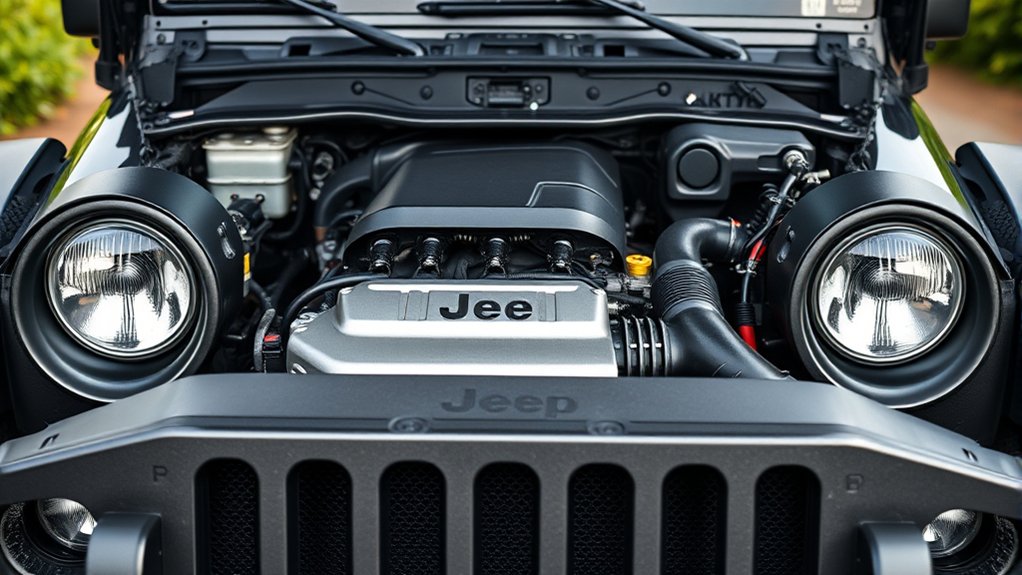
The Jeep Wrangler typically comes with either a four-cylinder or six-cylinder engine, depending on the model and year. When you check under the hood, you’ll usually find these two main options, each offering different power and efficiency levels.
Four-cylinder engines are lighter and more fuel-efficient, ideal if you want better mileage and lighter handling. Six-cylinder engines, on the other hand, provide more power and torque, great for off-road adventures or towing.
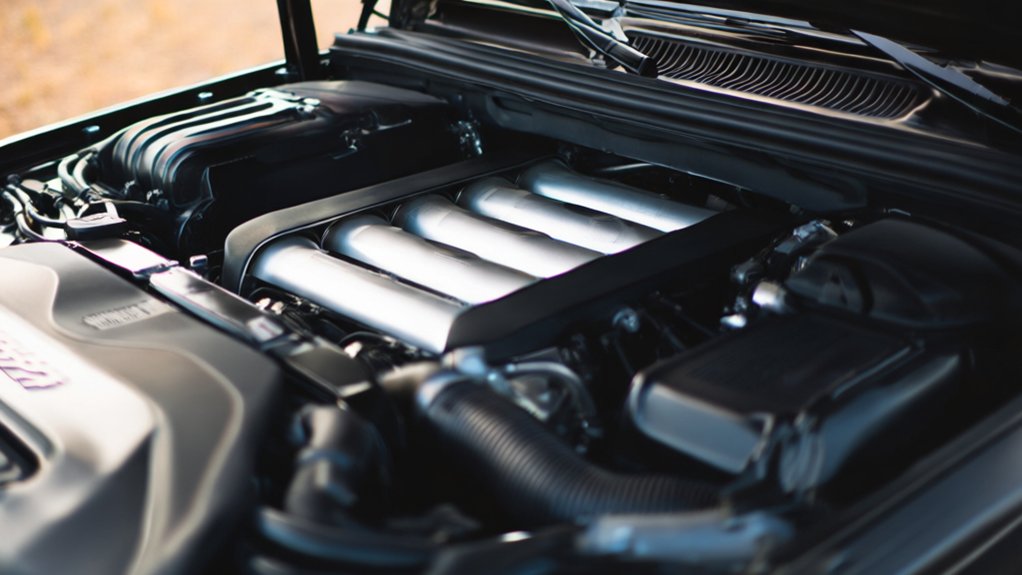
Knowing the engine type helps you understand your Wrangler’s performance capabilities and maintenance needs. If you’re trying to identify the exact number of cylinders, look for engine specifications or badges on the vehicle.
This knowledge lets you choose the right Wrangler for your driving style and needs.
Which Jeep Wrangler Engines Have 4 Cylinders?
If you’re interested in Jeep Wranglers with four-cylinder engines, several options have been offered over the years. The most common is the 2.0-liter turbocharged inline-four, found in recent models like the Wrangler JL. This engine delivers a good balance of power and fuel efficiency, making it popular among daily drivers and off-road enthusiasts alike.
Earlier Wranglers often featured a 2.5-liter inline-four, known for its simplicity and reliability, although it’s less powerful than the newer turbocharged version.
Both engines provide enough torque for off-road adventures while keeping fuel consumption reasonable. When choosing a Wrangler with a four-cylinder, consider your driving needs and whether you prefer modern technology or classic, straightforward performance.
What Makes the 6-Cylinder Jeep Wrangler Engine Different?
You’ll notice the 6-cylinder Jeep Wrangler engine stands out because of its unique design and performance benefits. It delivers more power and smoother acceleration compared to the 4-cylinder option.
Let’s explore what makes this engine different under the hood.
Performance Benefits
Because the 6-cylinder engine delivers more torque and horsepower than its 4-cylinder counterpart, it offers noticeable improvements in acceleration and towing capacity. You’ll experience quicker starts and smoother power delivery, especially when carrying heavy loads or climbing steep terrain.
This means you can confidently tow trailers or haul gear without stressing the engine. The extra power also enhances off-road performance by providing better control and responsiveness in challenging conditions.
Plus, the 6-cylinder tends to run more efficiently under load, so you get consistent performance when you need it most. If you frequently drive with passengers, cargo, or off-road, the 6-cylinder Jeep Wrangler gives you the muscle to handle these demands comfortably and reliably.
Engine Design Features
While both the 4-cylinder and 6-cylinder engines power the Jeep Wrangler, the 6-cylinder stands out due to its advanced design features that boost performance and durability.
You’ll notice it uses a V6 layout, which balances power output and smooth operation. This engine often incorporates technologies like variable valve timing and direct fuel injection, helping you get better fuel efficiency without sacrificing power.
Its robust construction includes stronger pistons and a reinforced crankshaft, designed to handle tougher terrains and heavier loads.
Plus, the 6-cylinder typically offers improved cooling systems to maintain *ideal* engine temperature during off-road adventures.
When you choose the 6-cylinder, you’re opting for an engine built to deliver reliable power with enhanced longevity, perfect for demanding driving conditions.
Are There V8 Engines Available for the Jeep Wrangler?
Although the Jeep Wrangler is best known for its rugged four- and six-cylinder engines, you might be wondering if a V8 option exists for those seeking more power. The good news is yes, Jeep offers a V8 engine, but it’s not found in every Wrangler model.
The most notable V8 comes in the Rubicon 392 edition, which features a 6.4-liter V8 delivering impressive horsepower and torque. This engine markedly boosts the Wrangler’s performance, making it ideal for off-roading enthusiasts who want extra muscle.
However, V8-powered Wranglers tend to be pricier and less fuel-efficient than their four- and six-cylinder counterparts. If you’re after raw power and a thrilling driving experience, the V8 Wrangler is worth considering.
Otherwise, the smaller engines still provide solid capability.
Turbocharged vs. Naturally Aspirated Jeep Wrangler Engines: What You Should Know
When choosing a Jeep Wrangler, you’ll want to understand the key differences between turbocharged and naturally aspirated engines.
Turbocharged engines use a turbine to force more air into the combustion chamber, boosting power and torque without increasing engine size. This means you get better acceleration and improved fuel efficiency in many cases.
Naturally aspirated engines rely on atmospheric pressure to fill the cylinders, offering a simpler design and often more predictable throttle response.
While naturally aspirated engines tend to be more reliable with fewer components, turbocharged versions provide extra punch when you need it.
Your choice depends on whether you prioritize straightforward performance or want that added boost for off-road adventures and highway driving.
Both have their strengths in the Jeep Wrangler lineup.
How Jeep Wrangler Cylinder Counts Affect Performance
Since cylinder count directly influences engine power and efficiency, understanding how many cylinders your Jeep Wrangler has can help you choose the right model for your driving needs. Wranglers commonly come with four- or six-cylinder engines.
The number of cylinders in your Jeep Wrangler affects its power and efficiency, helping you pick the ideal model.
A four-cylinder engine offers sufficient power for daily driving and light off-roading, keeping things nimble and responsive.
On the other hand, a six-cylinder engine delivers more horsepower and torque, improving acceleration, towing capacity, and performance on challenging terrains.
If you need stronger performance for hauling or rugged adventures, the six-cylinder is your best bet.
However, if you prioritize agility and ease of handling in urban or moderate off-road settings, a four-cylinder will serve you well.
Knowing this helps you match your Wrangler’s capabilities to your lifestyle.
How Different Cylinder Configurations Impact Jeep Wrangler Fuel Economy
Two common cylinder configurations in Jeep Wranglers—four and six cylinders—play a significant role in determining fuel economy. When you choose between these options, you’ll notice how each affects your gas mileage differently.
A four-cylinder engine generally offers better fuel efficiency because it consumes less fuel while still providing adequate power for most driving conditions.
On the other hand, six-cylinder engines deliver more power but tend to use more fuel, which lowers overall efficiency.
Consider these points when evaluating fuel economy:
- Four-cylinder engines typically achieve higher miles per gallon (MPG), especially in city driving.
- Six-cylinder engines may provide quicker acceleration but at the cost of increased fuel consumption.
- Your driving habits and terrain also influence how cylinder count impacts fuel economy.
Comparing 4-Cylinder and 6-Cylinder Jeep Wrangler Models
When you compare 4-cylinder and 6-cylinder Jeep Wranglers, you’ll notice clear differences in engine performance and fuel efficiency.
The 6-cylinder offers more power, which can boost your off-road capability.
But the 4-cylinder tends to save you more at the pump.
Understanding these trade-offs helps you choose the right fit for your driving needs.
Engine Performance Differences
Although both 4-cylinder and 6-cylinder Jeep Wrangler models deliver reliable off-road capabilities, you’ll notice distinct differences in their engine performance. The 6-cylinder engine generally offers more horsepower and torque, providing stronger acceleration and better towing capacity.
Meanwhile, the 4-cylinder engine is lighter and more responsive, making it nimble for tight trails. When you compare the two, consider these key aspects:
- Power output: 6-cylinder engines produce higher peak horsepower, enhancing overall performance.
- Torque delivery: The 6-cylinder provides more torque at lower RPMs, which helps during off-road climbs and hauling.
- Engine responsiveness: 4-cylinder engines respond quickly to throttle input, offering precise control in technical terrain.
Understanding these differences helps you choose the engine that best fits your driving style and needs.
Fuel Efficiency Comparison
Choosing between a 4-cylinder and a 6-cylinder Jeep Wrangler means weighing fuel efficiency alongside performance. If you prioritize saving on gas, the 4-cylinder model typically offers better miles per gallon, making it more economical for daily driving and city commutes. You’ll notice it consumes less fuel due to its smaller engine size and lighter weight.
On the other hand, the 6-cylinder Wrangler, while less fuel-efficient, provides more power, which can lead to slightly higher consumption, especially during aggressive acceleration or highway driving.
When comparing both, consider how often you’ll drive and the kind of trips you take. If fuel costs matter most to you, the 4-cylinder is a smarter choice. But if power outweighs fuel savings, the 6-cylinder suits you better.
Off-Road Capability Impact
Since off-roading demands both power and control, your choice between a 4-cylinder and 6-cylinder Jeep Wrangler can substantially affect your experience. The 6-cylinder engine provides more torque and horsepower, making it easier to tackle steep inclines and rough terrain.
Meanwhile, the 4-cylinder offers lighter weight and better maneuverability, which can be advantageous in tight trails.
When deciding, consider these factors:
- Torque Output: 6-cylinder engines deliver higher torque, improving climbing and crawling ability.
- Weight Distribution: 4-cylinder engines reduce overall vehicle weight, enhancing agility.
- Fuel Consumption vs. Power: 4-cylinders save fuel but may struggle in extreme off-road conditions compared to 6-cylinders.
Ultimately, your off-road style and trail difficulty will guide which engine suits your Jeep Wrangler best.
Which Jeep Wrangler Cylinder Options Are Best for Off-Roading?
When you’re gearing up for serious off-roading, the number of cylinders in your Jeep Wrangler’s engine plays a crucial role in performance and capability. Generally, the 6-cylinder engine provides more torque and smoother power delivery, making it ideal for tough trails. The 4-cylinder, while lighter and more fuel-efficient, might struggle on steep climbs or rough terrain. Here’s a quick comparison to help you decide:
| Cylinder Option | Off-Road Advantage |
|---|---|
| 4-Cylinder | Better fuel economy |
| 4-Cylinder | Lighter vehicle weight |
| 6-Cylinder | Higher torque output |
| 6-Cylinder | Improved power delivery |
| 6-Cylinder | Better for technical trails |
Choose based on your trail demands and balance between power and efficiency.
How Cylinder Count Influences Jeep Wrangler Towing Capacity
Although the number of cylinders isn’t the only factor affecting towing capacity, it significantly influences how much your Jeep Wrangler can haul. More cylinders usually mean more power and torque, which directly enhance towing performance. When deciding on a Wrangler, you should consider how its engine’s cylinder count aligns with your towing needs.
Cylinder count plays a key role in your Jeep Wrangler’s towing power and overall performance.
Here’s how cylinder count influences towing:
- Power Output: Engines with 6 or 8 cylinders generate greater horsepower, making it easier to tow heavier loads.
- Torque Delivery: Higher cylinder counts provide more consistent torque, essential for maintaining control while towing.
- Fuel Efficiency: Fewer cylinders often offer better fuel economy but may limit towing capabilities.
Understanding these points helps you choose the right Wrangler for your towing demands without compromising performance.
How Jeep’s Wrangler Cylinder Choices Have Evolved Over Time
Understanding how cylinder count affects towing gives you insight into why Jeep has adjusted its engine options over the years. When the Wrangler first appeared, it featured a straightforward inline-6 engine, known for reliability but limited power.
Over time, Jeep introduced V6 engines, boosting performance and towing capacity without sacrificing off-road capability.
More recently, Jeep added turbocharged 4-cylinder engines, balancing fuel efficiency and power for modern drivers.
You’ll also find the introduction of V8 engines in special editions, catering to enthusiasts seeking maximum power.
This evolution reflects Jeep’s response to changing customer needs, emissions regulations, and advances in technology.
Choosing the Right Cylinder Configuration for Your Jeep Wrangler
Since your Jeep Wrangler will serve different needs depending on how you drive, choosing the right cylinder configuration matters a lot. You want an engine that matches your lifestyle, whether it’s city driving, off-roading, or towing. Understanding the options helps you get the best performance and fuel efficiency.
Consider these factors when deciding:
- Power Requirements: More cylinders usually mean more horsepower, ideal for heavy-duty use.
- Fuel Economy: Fewer cylinders often offer better mileage, perfect for daily commuting.
- Driving Conditions: Rough terrains may benefit from engines with higher torque, often found in V6 or V8 configurations.
Frequently Asked Questions
How Do I Check the Cylinder Count on My Jeep Wrangler’s Engine?
You can check your Jeep Wrangler’s cylinder count by looking under the hood for engine specs or the VIN sticker. You can also consult your owner’s manual or use an online VIN decoder for accurate engine details.
Can I Modify My Jeep Wrangler to Add More Cylinders?
You can’t just snap your fingers and add cylinders to your Jeep Wrangler’s engine! Modifying it that way’s super complex, expensive, and risky. Instead, consider swapping engines or upgrading performance parts for more power safely and smartly.
What Maintenance Is Unique to Different Cylinder Engines in Jeep Wranglers?
You’ll need to adjust your oil change intervals and spark plug replacements based on cylinder count. More cylinders often mean more parts to check, so keep an eye on fuel injectors and exhaust systems unique to each engine type.
How Does Cylinder Count Affect Jeep Wrangler Insurance Rates?
Like adding horsepower to a racehorse, more cylinders usually boost your Jeep Wrangler’s insurance rates. Insurers see bigger engines as higher risk, so you’ll likely pay more to keep your Wrangler protected.
Are There Any Common Cylinder-Related Issues in Older Jeep Wranglers?
Yes, you’ll often face misfires and rough idling in older Jeep Wranglers due to worn spark plugs or ignition coils linked to cylinder issues. Regular maintenance helps prevent these common cylinder-related problems.
Conclusion
When it comes to Jeep Wranglers, the number of cylinders you choose is like picking the right gear for your adventure. Whether you lean into the nimble 4-cylinder for city streets or roar with the 6-cylinder’s power off-road, each engine option fuels a different kind of freedom. So, trust your gut and let your Wrangler’s heart—cylinders and all—drive you toward your next great escape.