Is the Jeep Wagoneer Reliable?
You can count on the Jeep Wagoneer’s solid build and advanced safety features to provide dependable performance and durability. It handles tough terrain well and offers a comfortable daily drive, backed by a strong powertrain and an all-encompassing warranty. While some electronic quirks have been reported, regular maintenance keeps it running smoothly. Its strong resale value reflects lasting reliability. If you want to understand more about its strengths and common issues, there’s plenty to explore.
Understanding Jeep Wagoneer Reliability
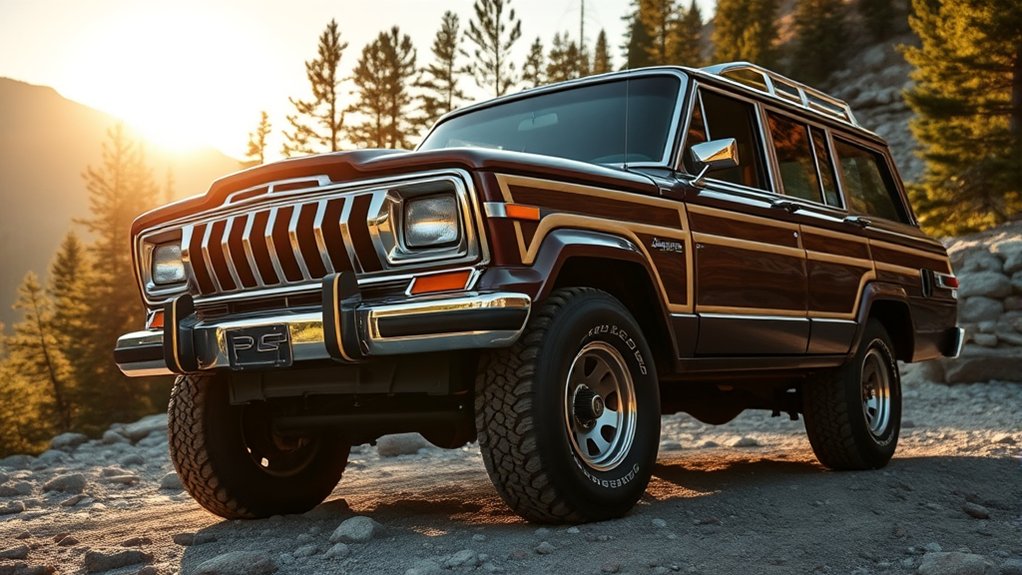
Although the Jeep Wagoneer boasts a strong heritage and rugged design, understanding its reliability means looking beyond just style and performance. When you evaluate reliability, you focus on how consistently the vehicle performs without unexpected breakdowns or costly repairs.
You’ll want to check factors like engine dependability, electronic systems, and maintenance frequency. It’s important to review real-world owner feedback and reliability ratings from trusted sources to get an accurate picture.
You also need to consider how the Wagoneer handles diverse driving conditions and whether it meets your daily needs without frequent hiccups. By examining these practical aspects, you’ll get a clear sense of whether the Jeep Wagoneer will stand up to your expectations over time.
Wagoneer Build Quality and Longevity
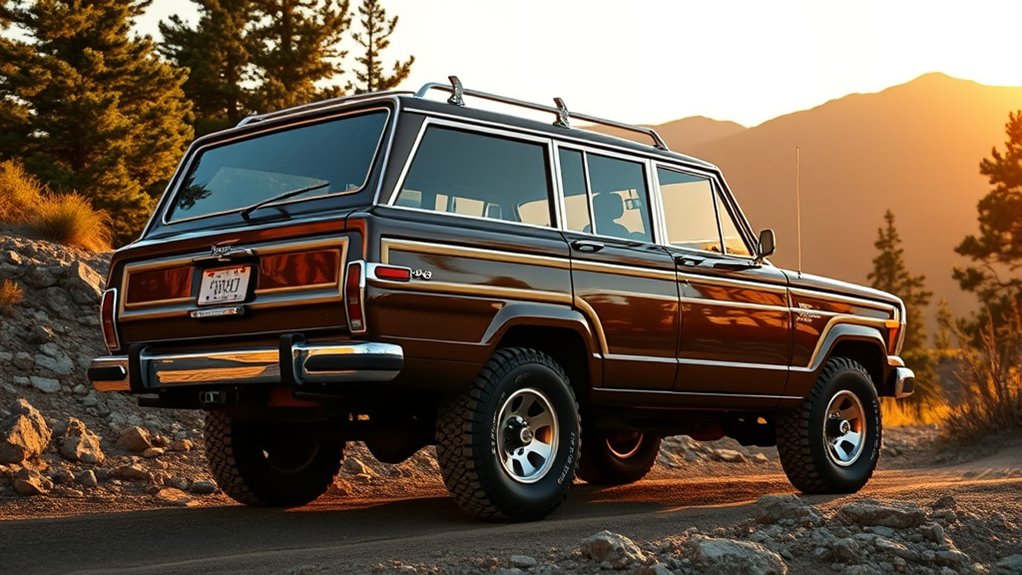
When you consider the Wagoneer’s build quality, you’ll find it combines robust materials with meticulous craftsmanship to guarantee durability. Jeep uses high-strength steel and premium interior components, ensuring your vehicle can handle rough terrain and daily wear. This attention to detail means the Wagoneer holds up well over time, offering you confidence in its longevity.
| Aspect | Details |
|---|---|
| Frame | High-strength steel |
| Interior Materials | Leather, real wood accents |
| Paint Quality | Multi-layer corrosion resistant |
| Suspension | Heavy-duty for longevity |
| Warranty | 5 years/60,000 miles |
You’ll appreciate that these factors come together to make the Wagoneer a solid choice for long-term ownership.
Common Reliability Issues Reported by Wagoneer Owners
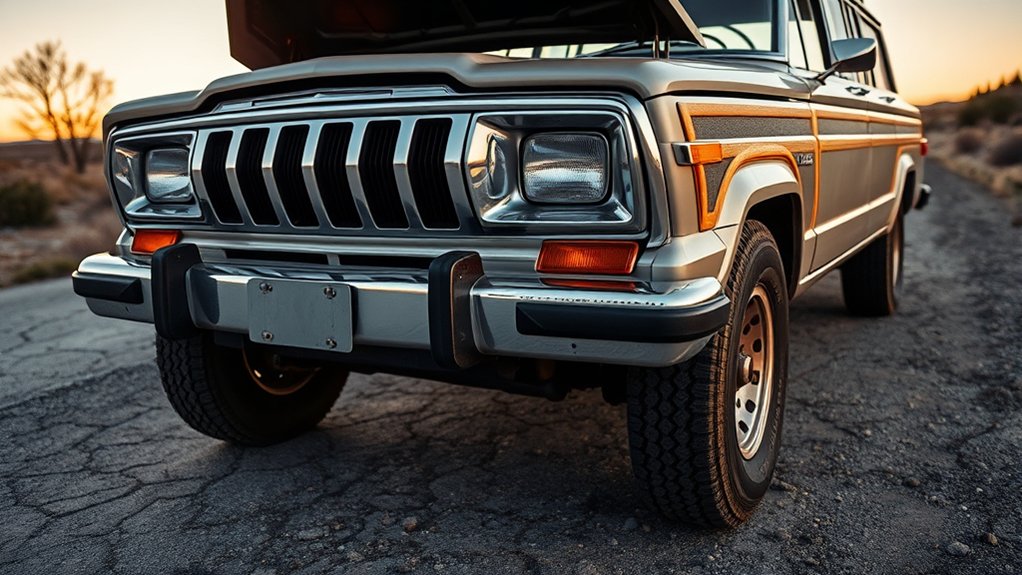
You might notice some engine and transmission concerns reported by Wagoneer owners that can affect performance.
Electrical system problems are another common issue that could disrupt your driving experience.
Let’s look closer at these reliability challenges to help you understand what to expect.
Engine And Transmission Concerns
How reliable is the Jeep Wagoneer’s engine and transmission? While many owners enjoy strong performance, some have reported concerns that you should be aware of.
The engine generally runs smoothly, but occasional issues have surfaced, including rough idling and hesitation during acceleration.
The transmission mostly shifts well, yet a few drivers have experienced delayed engagement or hard shifting, especially in early models.
Here are three common engine and transmission concerns reported by Wagoneer owners:
- Rough idling and occasional stalling in stop-and-go traffic.
- Delayed or harsh gear shifts, particularly from park to drive.
- Transmission fluid leaks leading to slipping or erratic shifting.
Being aware of these can help you spot potential problems early and maintain your Wagoneer’s reliability.
Electrical System Problems
Why do some Jeep Wagoneer owners report electrical system problems? Many experience issues with the infotainment system freezing or rebooting unexpectedly, which can be frustrating on the road. You might also notice glitches with the digital instrument cluster, such as flickering or inaccurate readings.
Some drivers report trouble with the power windows and door locks not responding consistently. Additionally, battery drain problems have surfaced, often linked to modules failing to enter sleep mode properly.
These electrical quirks usually stem from software bugs or faulty wiring connections. While Jeep has addressed some issues through updates and recalls, it’s wise to stay informed and check for the latest fixes.
Keeping your vehicle’s software current can help minimize these electrical annoyances and improve your Wagoneer’s reliability.
Engine and Transmission Reliability Over Time
You’ll want to understand how the Wagoneer’s engine holds up over the years and what common transmission issues may arise. Maintenance plays a big role in keeping both running smoothly.
Let’s look at the key factors affecting engine and transmission reliability over time.
Engine Durability Trends
When evaluating the Jeep Wagoneer’s engine durability, you’ll notice a pattern of steady improvements over the years. Jeep has addressed earlier concerns by refining engine components, enhancing materials, and optimizing cooling systems.
This progression means newer Wagoneers generally offer longer-lasting engine performance with fewer unexpected issues.
Here’s what you should keep in mind about engine durability trends:
- Early models faced occasional overheating and wear issues, but updates in design reduced these problems considerably.
- Modern Wagoneers use advanced fuel injection and improved lubrication systems, extending engine life.
- Routine maintenance remains vital; engines that receive timely oil changes and inspections tend to perform reliably longer.
Transmission Performance Issues
How does the Jeep Wagoneer’s transmission hold up over time? You’ll find that many owners report smooth shifting early on, but some experience issues as mileage climbs.
Common complaints include delayed engagement when shifting from park to drive and occasional rough or jerky gear changes. These problems tend to surface after prolonged use, especially in models with higher mileage.
You might also notice occasional transmission overheating if you push the vehicle hard in demanding conditions. While these issues aren’t universal, they suggest the transmission can be a weak point if not monitored.
Paying attention to any unusual noises or shifting behavior early can help you avoid costly repairs down the road.
Maintenance Impact on Reliability
Although the Jeep Wagoneer’s engine and transmission have their strengths and weaknesses, regular maintenance plays a crucial role in keeping them reliable over time. If you stay on top of service intervals, you’ll reduce wear and prevent costly repairs.
Here are three key maintenance tasks to focus on:
- Oil changes: Regular oil changes keep the engine lubricated and prevent premature wear.
- Transmission fluid replacement: Fresh fluid ensures smooth shifting and extends transmission life.
- Filter replacements: Air and fuel filters keep contaminants out, maintaining engine efficiency.
Electrical System Durability in the Wagoneer
Since modern vehicles rely heavily on electronics, the durability of the Wagoneer’s electrical system plays a crucial role in its overall reliability. You want a vehicle where wiring, connectors, and electronic components stand up to daily use without frequent issues. The Wagoneer’s electrical system generally performs well, with solid build quality and reliable components. However, occasional glitches can occur, mostly related to battery life or minor wiring faults.
Here’s a quick look at key electrical system aspects:
| Feature | Durability Rating |
|---|---|
| Wiring and Connectors | High |
| Battery Performance | Moderate |
| Electronic Modules | High |
How Infotainment and Safety Tech Affect Reliability
The Wagoneer’s reliable electrical system lays a solid foundation for its advanced infotainment and safety technologies, but these features can also influence overall dependability. When you rely on tech-heavy systems, occasional glitches or software updates can impact your experience.
Here’s how these elements affect reliability:
- Infotainment Complexity: The large touchscreen and connected features offer convenience but can sometimes freeze or respond slowly, requiring resets or updates.
- Safety Tech Sensors: Cameras and radar enhance safety but may need recalibration after impacts or exposure to harsh conditions, affecting functionality.
- Software Updates: Regular updates improve performance but can introduce bugs, so staying current is essential to maintain smooth operation.
Understanding these factors helps you balance tech benefits with potential reliability challenges in the Wagoneer.
Owner Insights: Off-Road Durability and Everyday Use
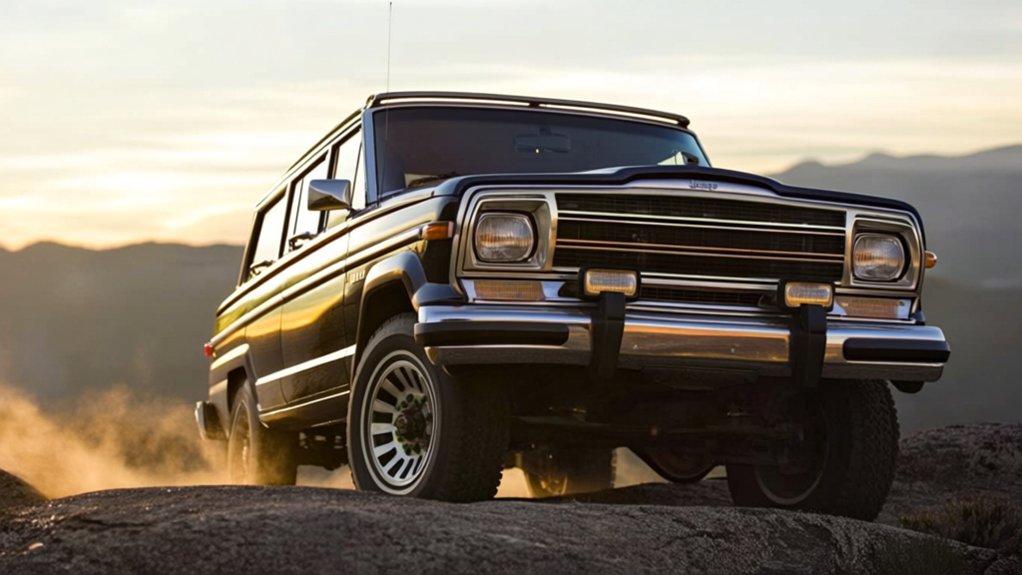
When you take a Jeep Wagoneer off the beaten path, its rugged build and advanced 4×4 system show their true strength, handling tough terrain with confidence. Owners frequently praise its durable suspension and traction control, which help navigate mud, rocks, and steep inclines without strain.
Despite its size, it maneuvers well in challenging environments, giving you peace of mind during outdoor adventures. For everyday use, the Wagoneer offers a smooth ride, spacious interior, and user-friendly controls that make daily driving comfortable and hassle-free.
Some owners note occasional minor electronic glitches, but overall, the vehicle holds up well under regular wear and tear. If you want a reliable SUV that performs both off-road and on city streets, the Wagoneer stands out as a solid choice.
Comparing Jeep Wagoneer Reliability to Other Full-Size SUVs
If you’re considering a full-size SUV, comparing the Jeep Wagoneer’s reliability to its competitors can help you make a smarter choice. The Wagoneer stands out for its rugged build and advanced technology, but how does it stack up in real-world dependability?
- Toyota Sequoia – Known for strong reliability and lower repair frequency, it offers consistent performance over time.
- Ford Expedition – A solid contender with dependable engines, though it may require more frequent maintenance than the Wagoneer.
- Chevrolet Tahoe – Offers good reliability but occasionally faces issues with electronics and transmission.
What Maintenance Costs to Expect With a Wagoneer
Wondering how much you’ll spend on maintaining a Jeep Wagoneer over time? Expect routine services like oil changes, brake inspections, and tire rotations to cost about $300 to $500 annually.
The Wagoneer’s advanced tech and large size mean some repairs or replacements, like brake pads or sensors, could run higher than average, sometimes $500 or more.
Fuel costs also add up, given its V8 engine and weight. You should budget for periodic maintenance like transmission fluid changes every 30,000 miles and cooling system checks to keep it running smoothly.
While it’s not the cheapest SUV to maintain, staying on top of scheduled service helps avoid costly repairs. Overall, your maintenance costs align with other full-size luxury SUVs in its class.
Jeep Wagoneer Warranty: What It Says About Reliability
You’ll want to understand how long the Jeep Wagoneer’s warranty covers you and what repairs it includes. Knowing the details helps you see how much confidence the manufacturer has in the vehicle’s reliability.
Keep in mind, there are some limitations that could affect your coverage.
Coverage Duration Details
Although warranty length alone doesn’t guarantee a vehicle’s reliability, the coverage duration on the Jeep Wagoneer gives you valuable insight into the manufacturer’s confidence in its durability. Jeep offers solid coverage periods that help you feel secure about your investment.
Here’s what you can expect:
- Basic Warranty: 3 years or 36,000 miles, covering most repairs and defects.
- Powertrain Warranty: 5 years or 60,000 miles, focusing on major engine and transmission components.
- Corrosion Warranty: 5 years with unlimited mileage, protecting against rust-through issues.
These durations show Jeep’s commitment to standing behind the Wagoneer and suggest they believe in the vehicle’s long-term performance.
Knowing these terms helps you gauge how much trust the company places in its product.
Included Repairs Overview
The warranty coverage details give you a clear picture of how Jeep supports the Wagoneer over time, but understanding exactly what repairs are included reveals even more about the vehicle’s reliability. When you look closely, the warranty covers essential components like the engine, transmission, and drivetrain, which are critical for long-term dependability.
It also includes repairs related to major electrical systems and certain safety features, showing Jeep’s confidence in these areas. You can expect coverage for defects in materials or workmanship, meaning if something breaks due to manufacturing issues, Jeep will handle it.
This focus on key mechanical and electronic systems gives you peace of mind, highlighting the Wagoneer’s strong reliability foundation.
Warranty Limitations Explained
Even with extensive coverage, every warranty has its limits, and understanding these boundaries can help you better assess the Jeep Wagoneer’s reliability. While the warranty offers peace of mind, you need to know what it doesn’t cover to avoid surprises.
For example, routine maintenance and wear-and-tear items usually fall outside the warranty’s scope. Also, any damage caused by accidents or improper use won’t be covered.
Here are three key warranty limitations to keep in mind:
- Exclusions on routine maintenance like oil changes, brake pads, and tire rotations.
- No coverage for damages from accidents or misuse.
- Limited coverage on wear-and-tear parts that naturally degrade over time.
Knowing these helps you realistically gauge how reliable your Wagoneer will be over time.
Expert Reviews on the Wagoneer’s Dependability
When you consider the Wagoneer’s dependability, expert reviews offer valuable insights that go beyond surface impressions. Experts praise its solid build quality and advanced engineering, noting that Jeep’s modern approach addresses many past reliability concerns.
They highlight the robust powertrain options and refined suspension, which contribute to a smooth, dependable ride. However, some reviewers caution about the vehicle’s complexity, warning that advanced tech features may require attention over time.
Despite this, they generally agree the Wagoneer holds up well in initial quality assessments and long-term durability tests. As you evaluate the Wagoneer, these expert opinions help you understand both its strengths and potential maintenance needs, giving you a clearer picture of what to expect in day-to-day ownership.
Real-World Reliability Trends From User Reviews
Although expert opinions provide a solid foundation, real-world user reviews reveal how the Wagoneer performs in everyday situations. When you explore owner feedback, you’ll notice common themes that shape the vehicle’s true reliability profile.
- Durability on Long Drives: Many users report the Wagoneer handles extended trips without major issues, showing strong engine and transmission resilience.
- Electronic Glitches: Some owners mention occasional infotainment and sensor hiccups, which can be frustrating but rarely affect drivability.
- Maintenance Costs: Reviews highlight that upkeep is generally reasonable, though repairs outside warranty can be pricey due to the vehicle’s luxury SUV status.
Safety Systems and Their Impact on Reliability
You’ll find that the Jeep Wagoneer’s advanced safety features play a key role in its overall reliability. These systems not only enhance your driving experience but also contribute to the vehicle’s durability over time.
Understanding how technology integration benefits reliability helps you appreciate what this SUV offers beyond just performance.
Advanced Safety Features
How do advanced safety features influence the reliability of the Jeep Wagoneer? They play a vital role by preventing accidents and minimizing wear caused by collisions. When these systems work well, you’ll experience fewer breakdowns and lower repair costs, enhancing overall reliability.
Here are three ways these features impact reliability:
- Collision Avoidance – Technologies like automatic emergency braking reduce crash risks, protecting your vehicle’s integrity.
- Driver Assistance – Lane-keeping and adaptive cruise control ease driving stress, preventing driver errors that could cause damage.
- System Monitoring – Alerts for tire pressure and blind spots help you maintain ideal vehicle conditions, preventing avoidable wear.
Impact on Vehicle Durability
Why does the durability of your Jeep Wagoneer hinge on its safety systems? Because these systems not only protect you but also help maintain the vehicle’s structural integrity over time.
When safety features like reinforced frames, airbags, and collision avoidance work effectively, they reduce the chance of severe damage during accidents. This means fewer costly repairs and less wear on critical components, enhancing your Wagoneer’s longevity.
Additionally, well-designed safety systems prevent stress on mechanical parts by minimizing harsh impacts. By keeping your vehicle safer on the road, these systems indirectly preserve its overall condition.
Technology Integration Benefits
Although technology can seem complex, the integration of advanced safety systems in your Jeep Wagoneer directly boosts its reliability. These systems not only protect you but also reduce wear and tear by preventing accidents and mechanical stress.
When your vehicle actively assists in avoiding collisions, it means fewer repairs and longer-lasting components.
Here are three key technology benefits that enhance your Wagoneer’s reliability:
- Adaptive Cruise Control – Maintains safe distances, reducing sudden braking and acceleration that strain parts.
- Automatic Emergency Braking – Helps avoid collisions, minimizing damage and costly repairs.
- Lane Departure Warning – Keeps you on track, preventing accidents caused by drifting.
With these technologies, your Wagoneer stays safer and more dependable, saving you time and money over the long haul.
Resale Value as a Reflection of Wagoneer Reliability
When you consider buying a Jeep Wagoneer, resale value often reveals a lot about its reliability. If a vehicle holds its value well, it usually means owners trust its long-term performance and durability.
The Wagoneer’s strong resale value indicates that buyers see it as a dependable choice, not just a luxury SUV. You can expect fewer unexpected repairs, which boosts confidence in its build quality.
Additionally, a good resale value reflects ongoing demand, suggesting the Wagoneer maintains its appeal over time despite new models entering the market.
Tips to Keep Your Jeep Wagoneer Reliable Over Time
Maintaining your Jeep Wagoneer’s reliability over time requires consistent care and attention to key maintenance tasks. You’ll want to stay proactive to avoid costly repairs and keep your vehicle running smoothly.
Here are three essential tips to help you do just that:
- Regular Oil Changes – Change your oil and filter according to the manufacturer’s schedule to protect your engine from wear and tear.
- Monitor Tire Health – Check tire pressure and tread regularly to ensure safe handling and prevent uneven wear.
- Routine Inspections – Have your brakes, battery, and fluids inspected during scheduled service visits to catch issues early.
Frequently Asked Questions
What Are the Fuel Efficiency Ratings of the Jeep Wagoneer?
The Jeep Wagoneer gets around 13-17 MPG in the city and 18-22 MPG on the highway, depending on the engine and model. You won’t find it super fuel-efficient, but it balances power with decent mileage.
How Spacious Is the Jeep Wagoneer’s Interior?
You’ll find the Jeep Wagoneer’s interior very spacious, comfortably seating up to eight passengers with plenty of legroom and headroom. Its generous cargo space also makes it perfect for family trips or hauling gear.
What Are the Towing Capacities of the Jeep Wagoneer?
You can tow up to 10,000 pounds with the Jeep Wagoneer, depending on the engine and configuration. It’s perfect for hauling trailers, boats, or campers, giving you plenty of power for your towing needs.
Does the Jeep Wagoneer Offer Advanced Off-Road Features?
Yes, the Jeep Wagoneer offers advanced off-road features like Quadra-Drive II 4WD, Selec-Terrain traction control, and an air suspension system. You’ll handle tough trails confidently with these capabilities at your command.
What Customization Options Are Available for the Jeep Wagoneer?
You’ll find fantastic factory finishes, flexible features, and fancy fabrics to fashion your Jeep Wagoneer. From wheel wraps to tech tweaks, you can customize comfort, colors, and capability to create your perfect, personalized powerhouse.
Conclusion
When it comes to the Jeep Wagoneer’s reliability, you might expect a straightforward answer—but here’s the twist: it depends on how you treat it. While some owners praise its durability and powerful build, others face common issues that can’t be ignored. The real question is, are you ready to invest time and care into your Wagoneer? Because reliability isn’t just about the vehicle—it’s about the journey you’re willing to take together.