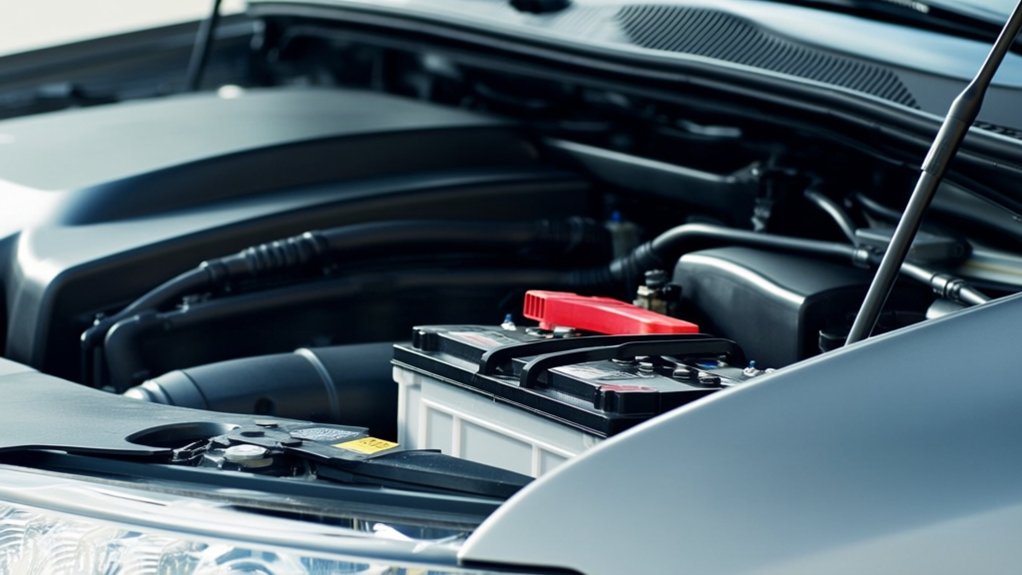
How Many Batteries Does a Jeep Compass Have?
Your Jeep Compass comes with one main 12-volt battery that powers the electrical system and starts the engine. If you have a hybrid version, it includes an additional high-voltage battery to support electric propulsion. Standard models keep things simple with a single battery, while higher trims may have batteries with more power to handle extra features. Keep exploring to understand how battery types, trims, and model years influence your Compass’s battery setup and performance.
How Many Batteries Does a Jeep Compass Have?
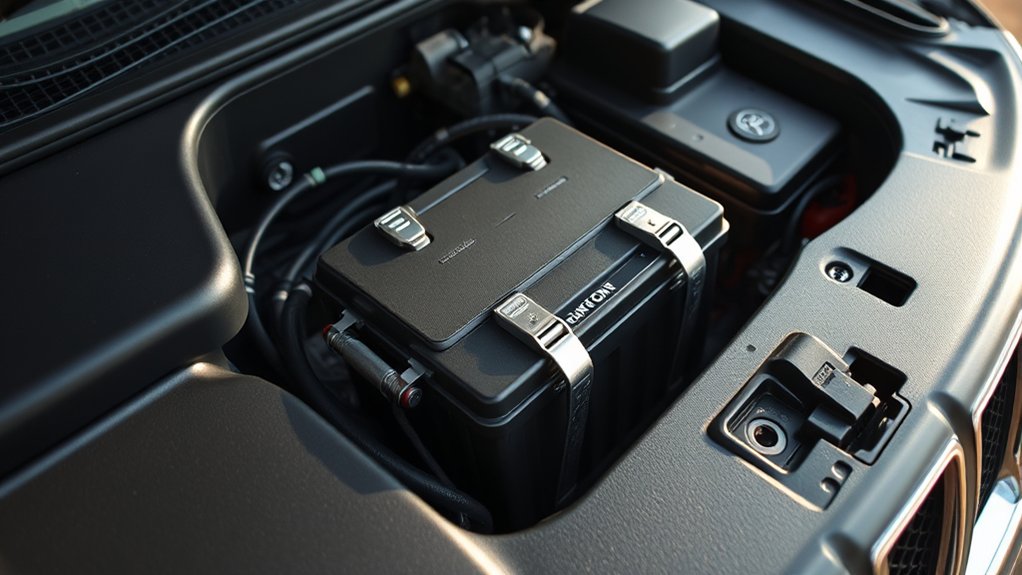
A Jeep Compass has one main battery that powers its electrical system and starts the engine. When you turn the key or push the start button, this battery provides the necessary energy to crank the engine and get the vehicle running.
It also supplies power to functions like lights, radio, and onboard electronics when the engine isn’t running. While some vehicles might have additional batteries for hybrid systems or accessories, the standard Jeep Compass relies solely on this single battery to manage all its electrical needs.
To keep your Compass operating smoothly, it’s important to maintain this battery by checking its charge and connections regularly. Understanding that your Jeep Compass has just one battery helps you focus your maintenance efforts effectively.
Types of Batteries Used in Jeep Compass Models

What kind of battery does your Jeep Compass use? Generally, your Compass relies on a 12-volt lead-acid battery, designed to power the engine’s electrical system and accessories.
These batteries come in two main types: flooded lead-acid and absorbed glass mat (AGM). Flooded batteries are common, affordable, and easy to replace, but AGM batteries offer better durability, vibration resistance, and longer life.
If your Jeep Compass has a start-stop system, it probably uses an AGM battery to handle frequent engine restarts efficiently.
Regardless of the type, the battery’s group size and cold cranking amps (CCA) ratings should match the manufacturer’s specifications to guarantee proper performance.
Knowing your battery type helps you choose the right replacement and maintain your Jeep’s reliability.
Battery Setup Differences by Jeep Compass Model Year
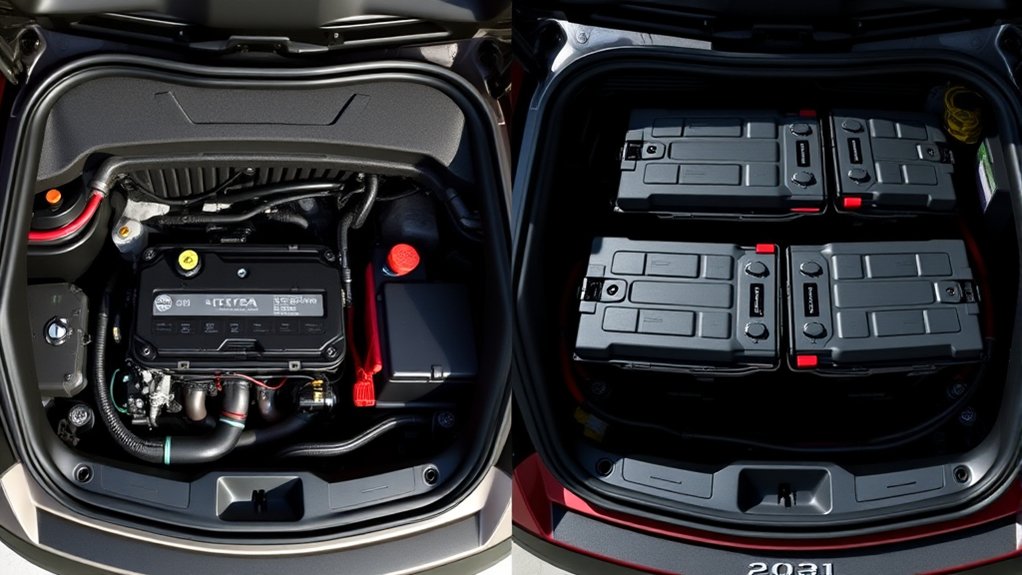
Over the years, Jeep Compass models have seen changes in their battery setups to improve performance and meet evolving technology standards. If you own different model years, you’ll notice these shifts in battery design and capacity tailored for each generation’s needs.
Here’s what you should know about the battery setup differences by model year:
- Early models (2011-2016) typically use a standard 12-volt lead-acid battery.
- Mid-cycle updates introduced enhanced 12-volt AGM batteries for better durability.
- Recent models (2022 onward) sometimes integrate advanced battery management systems.
- Hybrid versions include a secondary high-voltage battery alongside the main 12-volt battery.
Understanding these variations helps you maintain your Jeep Compass better and choose the right battery replacements.
Why Jeep Compass Uses a Single Main Battery
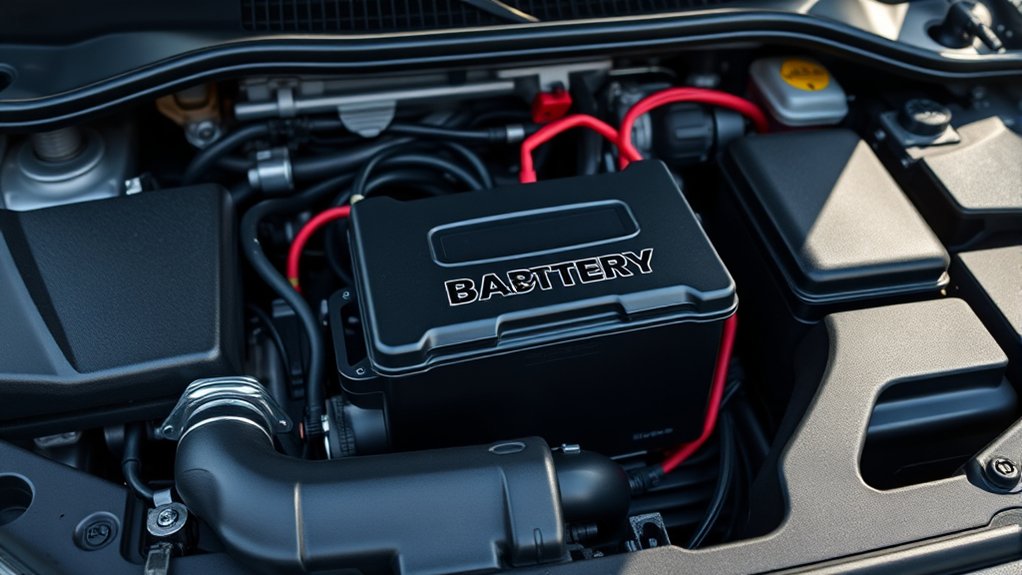
Since Jeep Compass models are designed for efficiency and reliability, they rely on a single main battery to power essential systems. This approach simplifies the electrical setup, cutting down on weight and maintenance costs so you get a more straightforward, dependable experience.
The single battery provides enough power for starting the engine, running electronics, and supporting safety features without unnecessary complexity. By using one robust battery, Jeep guarantees easier access and replacement when needed.
You won’t have to worry about managing multiple batteries or facing compatibility issues. This design choice also helps keep production costs reasonable, which can translate to better value for you.
Can Jeep Compass Have an Auxiliary or Backup Battery?
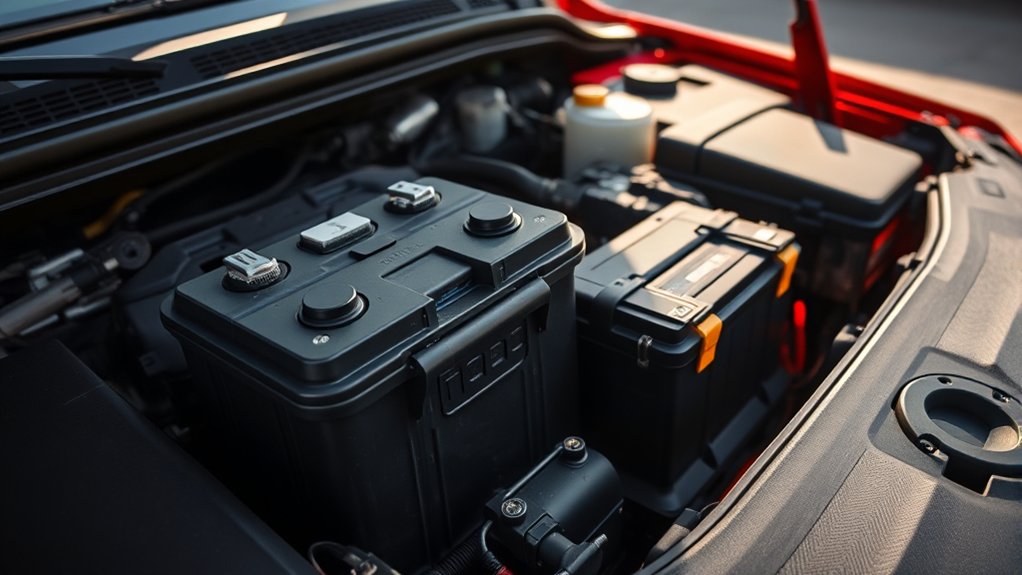
A Jeep Compass typically doesn’t come with an auxiliary or backup battery from the factory, but you can add one if you need extra power for accessories or off-road electronics. Installing an auxiliary battery helps guarantee you don’t drain your main battery while using high-demand devices. It’s especially useful if you run winches, lighting systems, or camping gear.
Here’s why you might consider adding an auxiliary battery:
- Provides dedicated power for accessories without affecting your main battery
- Prevents dead battery situations during extended accessory use
- Supports off-road adventures where extra electrical power is necessary
- Allows you to install dual battery setups for improved reliability
Adding a backup battery can enhance your Jeep Compass’s electrical system for more demanding situations.
How to Locate the Battery in Your Jeep Compass
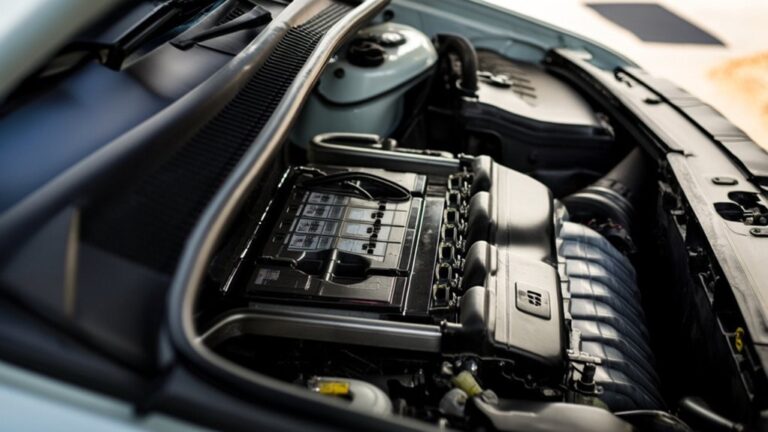
You’ll find the main battery under the hood, usually on the driver’s side near the front.
To access it, just open the hood and look for the rectangular box with two cables attached.
Knowing its exact location makes maintenance and jump-starting much easier.
Battery Location Overview
Although locating the battery in your Jeep Compass might seem straightforward, knowing exactly where to look can save you time and effort. The battery is usually easy to spot once you know its typical location.
Here’s a quick overview to help you find it:
- Under the hood on the driver’s side, near the front corner
- Secured in a plastic or metal tray to prevent movement
- Covered by a protective plastic cap or housing to shield terminals
- Connected to thick cables running to the starter and fuse box
Familiarizing yourself with these key points guarantees you won’t waste time searching. This overview prepares you for safely inspecting, maintaining, or replacing the battery without unnecessary hassle.
Accessing The Battery Compartment
Since the battery sits under the hood on the driver’s side, locating it becomes a simple task once you open the engine compartment. Start by pulling the hood release lever inside your Jeep Compass, usually found near the driver’s seat. Then, lift the hood and secure it with the prop rod.
Look toward the front-left corner; the battery is housed in a rectangular black box with two cables attached—one red (positive) and one black (negative). Some models may have a plastic cover over the battery to protect it from debris. If so, gently unclip or unscrew this cover.
With the battery exposed, you can now perform maintenance, jump-start, or replace it as needed. Always remember to turn off your vehicle before accessing the battery for safety.
Signs Your Jeep Compass Battery Needs Replacing
You’ll notice your Jeep Compass battery needs replacing if the engine cranks slowly or struggles to start. Dim headlights are another clear sign that the battery’s losing power.
You might also experience electrical component failures, like issues with the radio or dashboard lights.
Slow Engine Cranking
How can you tell if your Jeep Compass battery is on its last legs? One key sign is slow engine cranking. When you turn the key or press the start button, the engine might hesitate or take longer to start than usual. This sluggish response often means your battery’s charge is weak and struggling to power the starter motor effectively.
Look out for these slow cranking symptoms:
- Engine turns over slowly before starting
- Starter motor sounds weaker than normal
- Multiple attempts needed to start the engine
- Electrical accessories dim momentarily when starting
If you notice these signs, it’s a good idea to test your battery soon. Catching slow engine cranking early can save you from unexpected breakdowns.
Dim Headlights Noticeable
If your Jeep Compass’s headlights seem dimmer than usual, it’s a clear sign your battery might be losing its charge. When the battery weakens, it can’t supply enough power to keep the headlights bright, especially at night or in poor weather.
You might notice the beams look faded or less intense, affecting your visibility on the road. This dimness often worsens when you use other electrical features simultaneously, like the radio or air conditioning.
Don’t overlook this sign; dim headlights indicate your battery’s capacity is dropping. Replacing the battery promptly ensures your headlights function properly, maintaining safety.
Regularly checking your battery’s health can help you avoid unexpected dimming and keep your Jeep Compass running smoothly.
Electrical Component Failures
When electrical components in your Jeep Compass start malfunctioning, it often signals that the battery is struggling to provide consistent power. You might notice your dashboard lights flickering or your radio cutting in and out unexpectedly. These issues usually mean your battery isn’t delivering the stable voltage your vehicle needs.
Keep an eye out for these common signs of electrical component failure caused by a weak battery:
- Power windows and locks operating slower than usual
- Erratic behavior in the infotainment system
- Trouble starting the engine or long cranking times
- Warning lights appearing on the dashboard
If you experience any of these, it’s a good idea to have your battery tested and replaced if necessary to avoid further electrical problems.
How to Check the Health of Your Jeep Compass Battery
Although your Jeep Compass battery often works silently in the background, you can easily check its health to avoid unexpected breakdowns. Start by inspecting the battery terminals for corrosion or loose connections. Clean them if needed to guarantee a solid connection.
Next, turn on your vehicle and observe the dashboard lights; dim or flickering lights may indicate a weak battery. You can also use a multimeter to measure the battery voltage—ideally, it should read around 12.6 volts when the engine is off.
If the voltage drops below 12.4 volts, consider testing under load or during startup. Finally, keep an eye on any slow engine cranking or unusual electrical behavior, as these signs often point to a battery nearing the end of its life.
Tools You’ll Need to Replace Your Jeep Compass Battery
Before you start replacing your Jeep Compass battery, you’ll want to gather a few essential tools to make the job smooth and safe. Having the right equipment on hand helps you avoid frustration and guarantees you don’t damage any components.
Here are the key tools you’ll need:
- Socket wrench set – to remove and tighten battery terminal bolts and hold-down clamps
- Battery terminal puller – useful if the terminals are stuck or corroded
- Wire brush or battery terminal cleaner – to clean corrosion from terminals and connectors
- Safety gloves and goggles – to protect your hands and eyes from battery acid and debris
With these tools ready, you’ll be well-prepared to handle the battery replacement efficiently and safely.
How to Replace the Battery in a Jeep Compass
Since you’ve gathered all the necessary tools, you can start by disconnecting the negative battery cable to prevent any electrical shorts. Next, loosen the battery hold-down clamp and carefully remove the old battery. Clean the terminals with a wire brush before placing the new battery in the tray. Secure it with the clamp, then reconnect the positive cable followed by the negative cable. Finally, start your Jeep Compass to ensure everything works properly.
| Step | Action | Tip |
|---|---|---|
| 1 | Disconnect negative cable | Use gloves for safety |
| 2 | Remove hold-down clamp | Keep bolts in a safe place |
| 3 | Clean terminals | Use baking soda solution |
| 4 | Install new battery & reconnect | Check tight connections |
How Different Trims Affect Jeep Compass Battery Needs
You’ll find that battery size and power needs change depending on your Jeep Compass trim. Some trims require larger or more powerful batteries to support extra features.
Plus, hybrid models use different battery setups compared to standard ones, so it’s important to know which trim you have.
Battery Size Variations
Although all Jeep Compass models rely on a single primary battery, the size and capacity of that battery can vary depending on the trim and engine type you choose. When picking a trim, you’ll notice differences in battery specifications to match power demands and onboard electronics. Higher trims with more features often require batteries with greater cold cranking amps (CCA) and reserve capacity.
Here’s what influences battery size variations in your Jeep Compass:
- Engine type: Turbocharged engines may need higher capacity batteries.
- Trim level: Advanced trims like Limited or Trailhawk demand more power.
- Electrical accessories: Features like heated seats or premium audio systems increase battery load.
- Climate considerations: Cold climates might require batteries with higher CCA for reliable starts.
Choosing the right battery guarantees your Compass runs smoothly, no matter the model.
Trim-Specific Power Requirements
Different Jeep Compass trims demand varying battery power to support their unique features and performance needs. If you opt for a base model, you’ll find it requires a standard battery capable of handling everyday electronics like the infotainment system and basic safety features.
But when you move up to higher trims like the Limited or Trailhawk, expect a greater power draw. These trims include advanced tech, enhanced lighting, and additional comfort features that need a more robust battery to maintain peak performance.
Hybrid vs. Standard Models
When comparing hybrid and standard Jeep Compass models, the battery requirements shift considerably due to their distinct power systems. If you’re looking at a standard model, it typically has a single 12-volt battery that powers the engine’s electrical components.
However, with a hybrid, you’ll find a more complex setup that includes both a 12-volt battery and a high-voltage battery pack to support the electric motor.
Here’s how different trims affect battery needs:
- Standard trims rely solely on the 12-volt battery for starting and electronics.
- Hybrid trims add a high-voltage battery for electric propulsion.
- Higher trims might have advanced battery management systems.
- Battery maintenance and replacement schedules vary between models.
Understanding these differences helps you choose the right Jeep Compass suited to your lifestyle.
Tips to Extend Your Jeep Compass Battery Life
To keep your Jeep Compass running smoothly, you’ll want to take simple steps that protect its battery from premature wear. First, avoid leaving your lights or accessories on when the engine isn’t running, as this drains the battery.
Regularly check the battery terminals for corrosion and clean them if needed to maintain a strong connection. Make sure your electrical system is in good condition by scheduling routine inspections.
If you don’t drive your Compass often, consider using a battery maintainer to keep the charge steady. Also, try to limit short trips, as they don’t give the battery enough time to recharge fully.
Finally, park your vehicle in a shaded area when possible to avoid extreme temperature effects that can weaken battery performance.
Common Jeep Compass Battery Issues and How to Fix Them
Even with proper care, your Jeep Compass battery can still face issues that affect performance. You might notice problems like slow engine crank or warning lights on the dashboard.
Here are some common battery issues and how to remedy them:
- Corroded terminals: Clean the terminals with a mixture of baking soda and water to ensure a solid connection.
- Parasitic drain: Identify and disconnect devices that drain battery power when the vehicle is off.
- Old battery: Replace the battery if it’s over 3-5 years old or shows signs of failing.
- Loose connections: Tighten battery cables to prevent power loss and starting problems.
Frequently Asked Questions
What Is the Average Lifespan of a Jeep Compass Battery?
You can expect your Jeep Compass battery to last about 3 to 5 years, depending on driving habits, climate, and maintenance. Keep an eye on performance to replace it before it leaves you stranded unexpectedly.
Can Extreme Weather Affect Jeep Compass Battery Performance?
Yes, extreme weather can affect your Jeep Compass battery performance. Cold temperatures reduce battery capacity, while excessive heat speeds up battery fluid evaporation. You’ll want to keep it well-maintained to avoid unexpected failures in harsh conditions.
How Does Jeep Compass Battery Warranty Work?
You get peace of mind with Jeep Compass’s battery warranty—it covers defects, promises replacements, and supports you during issues. You’ll find clear terms, timely service, and reliable protection, ensuring your battery keeps powering your adventures confidently.
Are Jeep Compass Batteries Recyclable?
Yes, Jeep Compass batteries are recyclable. You can take them to recycling centers or auto shops, helping reduce environmental impact. Always handle used batteries carefully and follow local regulations to guarantee proper disposal and recycling.
What Are Signs of a Failing Alternator in a Jeep Compass?
You’ll notice dimming headlights, a dead battery, or warning lights on the dash if your Jeep Compass alternator’s failing. Also, strange noises or electrical issues can signal it’s time to get it checked or replaced.
Conclusion
In your Jeep Compass, you’ll typically find just one main battery powering everything, which keeps things simple and reliable. Curiously, newer models with advanced tech still stick to a single battery, showing Jeep’s confidence in its durability. Knowing this helps you focus on maintaining that one battery well, especially since a well-kept battery can last up to five years. So, keep it charged and clean to avoid unexpected roadside surprises!