How You Can Plow Snow With a Jeep Wrangler
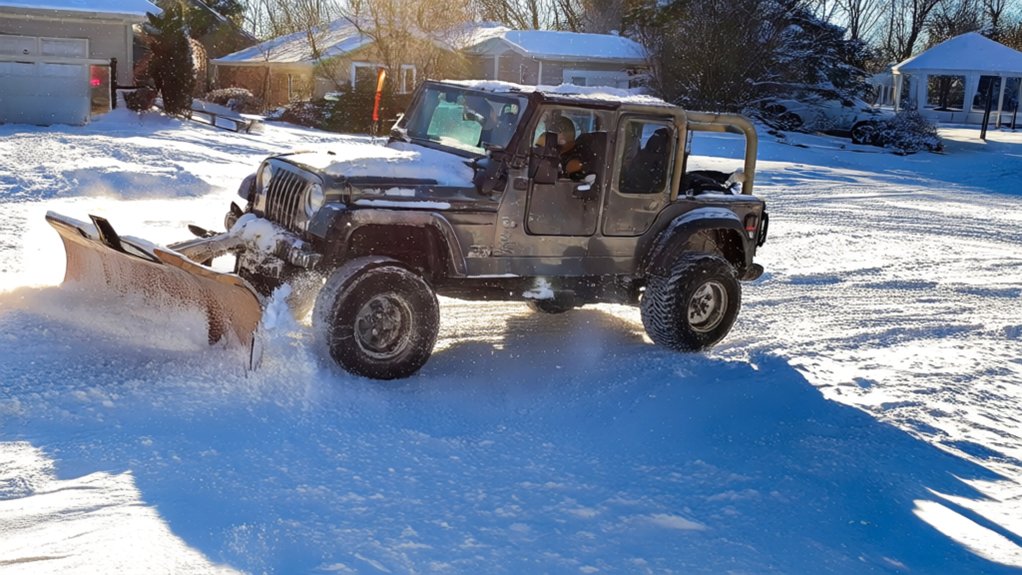
You can plow snow with your Jeep Wrangler by fitting it with a compatible snowplow blade and ensuring it’s equipped with snow or all-terrain tires for traction. Keep your fuel tank half full and check your battery for cold-weather reliability. Install the mounting brackets and wiring harness securely, then test your controls before you start. Drive cautiously with low gears engaged to maintain control in deep snow. There’s more to explore on prepping, handling, and maintaining your setup for snow season success.
Key Takeaways
- Equip your Jeep Wrangler with a compatible snowplow blade, ensuring proper mounting brackets and secure attachment.
- Use snow or all-terrain tires with good tread and engage four-wheel drive for optimal traction in snowy conditions.
- Connect and test electric or hydraulic controls for smooth blade movement and angle adjustments before plowing.
- Drive steadily in low gear, keeping speeds moderate and maintaining clear visibility with auxiliary lights if needed.
- After plowing, clean and inspect the Jeep and plow, lubricate moving parts, and store equipment properly for off-season care.
Why a Jeep Wrangler Is the Perfect Snowplow Vehicle
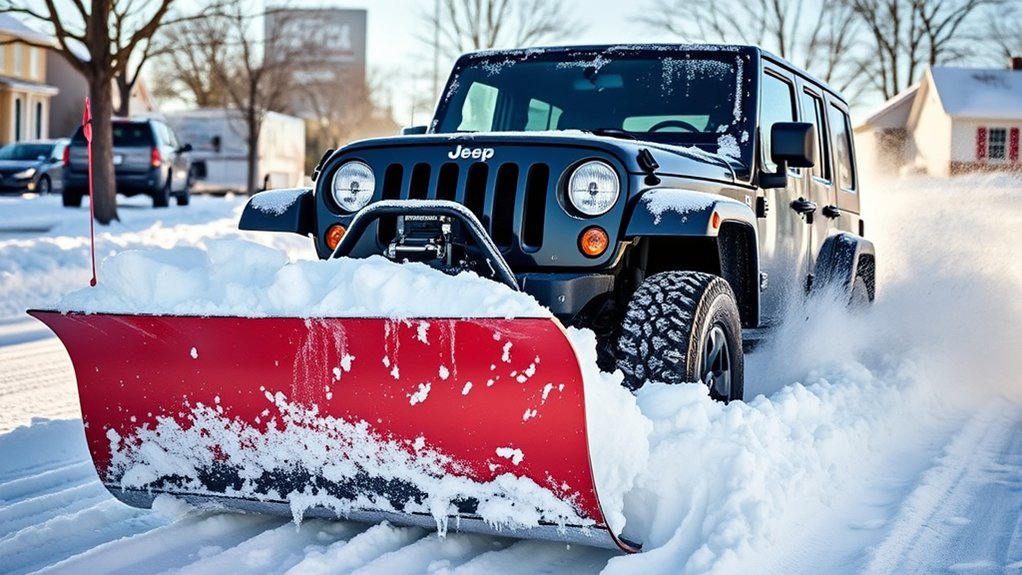
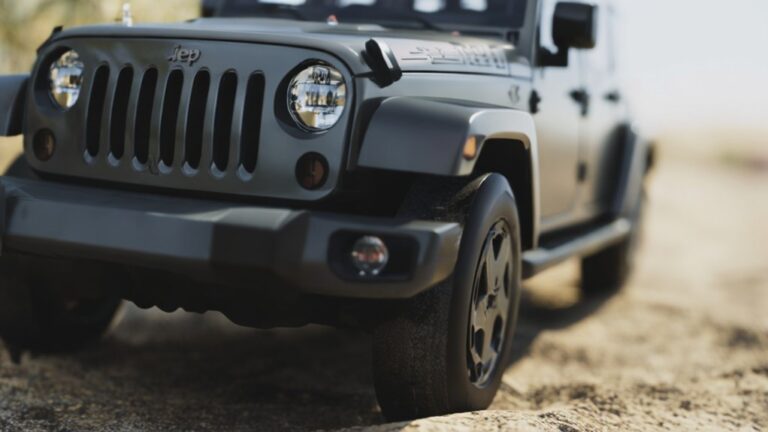
Although many vehicles can handle snow, a Jeep Wrangler stands out as the perfect snowplow vehicle because of its rugged build, powerful engine, and excellent traction.
When you take your Wrangler onto snowy terrain, you’ll notice how its four-wheel drive system grips icy surfaces firmly, giving you confidence and control.
Its high ground clearance means you won’t get stuck in deep snow, and the durable frame can handle the added pressure of pushing heavy snow.
You’ll appreciate the Wrangler’s maneuverability, allowing you to navigate tight spaces or tricky driveways with ease.
Plus, the powerful engine provides enough torque to move snow efficiently without straining your vehicle.
With these features, your Jeep Wrangler is ready to tackle winter’s toughest challenges.
Essential Snowplow Attachments for Your Jeep Wrangler
To get the most out of your Jeep Wrangler for snowplowing, you’ll need the right attachments. Choosing the right blade type, mounting system, and power controls will make your job easier and more efficient.
Let’s break down what you should look for in each category.
Types Of Snowplow Blades
When you equip your Jeep Wrangler for snowplowing, choosing the right type of snowplow blade can make all the difference in performance and efficiency. Different blades suit various snow conditions and tasks, so selecting the best one helps you clear snow faster and with less effort.
| Blade Type | Best For | Key Feature |
|---|---|---|
| Straight Blade | Light to medium snow | Simple, versatile design |
| Scoop Blade | Heavy, wet snow | Curved shape holds snow |
| V-Plow Blade | Narrow or tight spaces | Adjustable, splits snow |
Knowing these options ensures you match your blade to your needs, maximizing your Jeep Wrangler’s snowplow potential.
Mounting Systems And Kits
Since your Jeep Wrangler wasn’t originally designed for snowplowing, you’ll need a reliable mounting system to securely attach the plow. Choosing the right mounting kit guarantees stability and safety while you clear snow.
Look for kits that are compatible with your Wrangler model and easy to install. Some popular options include:
- Frame-mounted kits for solid, direct attachment to the chassis
- Quick-release mounts for easy plow removal when not in use
- Universal mounting brackets that fit multiple Jeep models
- Reinforced steel constructions to handle heavy snow loads
These systems keep your plow steady and prevent damage to your Jeep. Make sure the kit you pick matches your plow’s specifications and your Wrangler’s configuration for peak performance.
Power Sources And Controls
How do you power and control your Jeep Wrangler’s snowplow effectively? Most snowplow systems rely on hydraulic or electric power sources. Hydraulics offer strong, smooth operation, while electric systems are easier to install and maintain. Controls typically include handheld remotes or dashboard-mounted switches, giving you precise blade movement. Choosing the right power and control system depends on your Wrangler’s compatibility and your plowing needs.
| Power Source | Pros | Cons |
|---|---|---|
| Hydraulic | Strong, smooth operation | Complex installation |
| Electric | Easy install, low maintenance | Less powerful |
| Manual | Simple, low cost | Labor-intensive |
| Remote Control | Convenience | Potential signal issues |
| Dashboard Switch | Easy access | Limited reach |
Choosing the Right Snowplow Attachment for Your Jeep Wrangler
You’ll want to pick a snowplow blade that fits your Jeep Wrangler’s model and matches the type of snow you usually clear.
Consider whether hydraulic or manual controls work best for your needs and budget.
Choosing the right attachment guarantees efficient and safe plowing every time.
Types Of Snowplow Blades
When you’re outfitting your Jeep Wrangler for snowplowing, choosing the right blade is essential to match your needs and terrain. Different blade types serve various purposes, so picking the one that fits your typical snow conditions and space is key.
Here are four common types of snowplow blades:
- Straight Blade: Perfect for pushing snow straight ahead, best for driveways and flat surfaces.
- V-Blade: Adjustable into a V shape to break through heavy snow or funnel it to either side.
- Winged Blade: Extends the width of your plow, great for clearing wide areas quickly.
- Curved Blade: Designed to roll snow off to the side smoothly, reducing clogging.
Select the blade that complements your Jeep’s power and your plowing goals for efficient snow removal.
Compatibility With Jeep Models
Although most Jeep Wranglers can handle snowplow attachments, selecting the right one depends on your specific model and its capabilities. For example, newer models like the JL and JK series have stronger frames and better suspension, making them more suitable for heavier plows.
Older Wranglers might require lighter, more compact blades to avoid strain. You’ll also want to check your Jeep’s towing capacity and front-end structure to guarantee it can support the plow and mounting hardware safely.
Additionally, some attachments are designed specifically for certain model years, so verify compatibility with the manufacturer.
Hydraulic Vs. Manual Controls
Deciding between hydraulic and manual controls for your Jeep Wrangler’s snowplow attachment depends largely on how much convenience and control you want during plowing.
Hydraulic controls offer effortless blade adjustment from inside your Jeep, saving time and energy.
Manual controls require you to exit the vehicle to reposition the blade, which can be tiring in cold weather but are simpler and less expensive.
Consider these factors when choosing:
- Ease of use: Hydraulics provide seamless operation; manuals need physical effort.
- Cost: Manual systems are generally more budget-friendly.
- Maintenance: Hydraulics may require more upkeep due to complexity.
- Precision: Hydraulics offer finer control for blade angle and height.
Pick the option that fits your budget and how often you plan to plow.
Get Your Jeep Wrangler Ready for Snowplowing Season
Before you hit the snowy driveway, you’ll want to make certain your Jeep Wrangler is fully prepped for snowplowing.
Start by checking your tires—opt for snow or all-terrain tires with good tread to maintain traction on icy surfaces.
Inspect your battery and charging system since cold weather drains power faster.
Keep your fuel tank at least half full to avoid fuel line freeze-up.
Equip your Wrangler with heavy-duty floor mats and consider adding a windshield washer fluid rated for freezing temperatures.
Check that all lights work properly for visibility.
Finally, secure any loose parts and ensure your suspension can handle the added weight of the plow.
Taking these steps will help you tackle snowplowing safely and efficiently all season long.
Step-by-Step Guide to Installing a Snowplow on Your Jeep Wrangler
Once your Jeep Wrangler is ready for snowplowing, the next step is to install the snowplow itself. Begin by gathering all necessary tools and parts, including the mounting kit, bolts, and wiring harness.
Prepare your Jeep Wrangler for snowplowing by first gathering all essential tools and installation parts.
Then, follow these steps:
- Align the mounting bracket with your Jeep’s frame and secure it tightly.
- Attach the plow blade to the bracket using the provided pins and ensure it moves freely.
- Connect the wiring harness to your Jeep’s battery and control switch, routing cables safely away from moving parts.
- Test the plow’s up, down, and angle functions before heading out.
Taking your time with each step guarantees a secure, functional setup that maximizes your snow-removal efficiency.
Driving Your Jeep Wrangler Safely While Snowplowing
When you’re plowing snow with your Jeep Wrangler, keeping your speed controlled is essential to stay safe.
Make sure your lights are on and visible to others, especially in low visibility conditions.
Always watch your tire traction to avoid slipping on icy or packed snow surfaces.
Maintain Controlled Speeds
Although it might be tempting to speed up to clear snow faster, you need to maintain controlled speeds to keep both yourself and your Jeep Wrangler safe. Driving too fast can cause loss of control, damage to your vehicle, or ineffective plowing. Keep your speed steady and slow enough to react to obstacles or changing snow conditions.
To maintain controlled speeds while plowing, consider these tips:
- Use low gears for better torque and control.
- Monitor your surroundings closely to anticipate stops or turns.
- Avoid sudden acceleration or braking to prevent slipping.
- Adjust your speed based on the depth and type of snow you’re clearing.
Use Proper Lighting
Keeping your speed controlled helps you stay safe while plowing, but proper lighting plays a key role in ensuring visibility for both you and others on the road.
Make sure your Jeep Wrangler’s headlights, taillights, and turn signals are clean and fully functional before you start plowing. Snow and ice can quickly cover lights, so check and clear them regularly during your work.
Consider adding auxiliary LED light bars or spotlights to improve your field of vision, especially in heavy snowfall or low-light conditions.
Proper lighting helps you spot obstacles and signals your presence to pedestrians and other drivers.
Always use your lights even during daylight hours when plowing, as weather conditions can reduce visibility.
Staying visible keeps you and everyone around safer.
Monitor Tire Traction
How can you maintain control while plowing snow with your Jeep Wrangler? Monitoring tire traction is key to staying safe and effective. Keep an eye on how your tires grip the surface, especially as snow builds up or ice forms. You’ll want to adjust your driving based on the traction to avoid slipping or getting stuck.
Here’s how to monitor and maintain tire traction:
- Check tire pressure regularly to ensure optimal contact with the ground.
- Use tires designed for snow or all-terrain conditions.
- Drive at moderate speeds to prevent loss of control.
- Pay attention to feedback from the steering wheel and brakes for signs of slipping.
How to Maximize Traction and Control in Snowy Conditions
When you tackle snowy terrain with your Jeep Wrangler, maximizing traction and control becomes essential for safety and efficiency. Start by ensuring your tires are properly inflated and designed for snow; winter or all-terrain tires work best.
Engage your four-wheel drive to distribute power evenly, preventing wheel spin. Use low-range gearing when plowing deep snow to maintain steady control and torque.
Keep your speed moderate to avoid losing grip or control, and steer smoothly to prevent sudden shifts that could cause slipping.
Adding weight over the rear axle can also improve traction, especially if your Jeep is lighter in the back.
Finally, regularly clear snow buildup from your tires and undercarriage to maintain ideal contact with the ground and avoid unexpected loss of control.
Common Snowplowing Challenges With Your Jeep Wrangler (And How to Fix Them)
Maximizing traction and control sets a solid foundation, but even with the best preparation, you’ll encounter some common challenges while snowplowing with your Jeep Wrangler. You might face issues like reduced visibility, blade sticking, uneven snow piles, or drivetrain strain. Here’s how to fix them:
- Reduced visibility: Use auxiliary lights and keep your windshield clear of snow and ice.
- Blade sticking: Regularly adjust the blade height and lubricate pivot points to prevent sticking.
- Uneven snow piles: Plow at a consistent speed and angle to maintain uniform snow displacement.
- Drivetrain strain: Avoid sudden starts or stops and use lower gears to reduce stress on your Jeep.
Addressing these challenges early keeps your snowplowing efficient and protects your vehicle.
Maintaining Your Jeep Wrangler and Snowplow After Use
Although plowing snow can be tough on both your Jeep Wrangler and the snowplow, proper maintenance after each use guarantees they stay in top condition and ready for the next storm. Start by thoroughly cleaning off salt, dirt, and debris to prevent corrosion. Check all bolts and hydraulic connections for tightness. Inspect the plow blade for damage and replace worn parts promptly.
| Task | Frequency | Tips |
|---|---|---|
| Clean Jeep & Plow | After every use | Use a pressure washer |
| Check bolts | After every use | Tighten loose bolts |
| Inspect blade | Weekly during use | Replace if chipped or bent |
| Lubricate moving parts | Monthly | Use manufacturer-recommended grease |
| Check fluid levels | Monthly | Top off hydraulic fluids |
Storing Your Snowplow Attachment During the Off-Season
Properly storing your snowplow attachment during the off-season helps extend its lifespan and guarantees it’s ready for action next winter. To keep your equipment in peak condition, start by thoroughly cleaning the blade and all moving parts to remove salt, dirt, and debris.
Then, inspect for any damage or wear and address issues promptly. Afterward, apply a protective coating to metal surfaces to prevent rust.
Finally, store your snowplow in a dry, sheltered area away from direct sunlight and moisture.
- Clean and dry all components thoroughly
- Perform a detailed inspection and repair as needed
- Apply rust-preventative spray or paint
- Store in a covered, dry space off the ground
These steps assure your attachment stays reliable season after season.
Upgrading Your Jeep Wrangler for Better Snowplowing Performance
When you want your Jeep Wrangler to handle heavy snowplowing tasks efficiently, upgrading key components can make a significant difference.
Start by reinforcing the suspension with heavy-duty springs and shocks to manage the extra weight of the plow.
Consider installing a more powerful battery and alternator to support the electrical demands of plow lights and controls.
Upgrading to all-terrain or snow tires ensures better traction on icy surfaces.
A skid plate protects your undercarriage from debris and ice chunks.
You might also want to add a winch for added versatility and recovery options.
Finally, installing auxiliary lighting improves visibility during early morning or late-night plowing.
These upgrades help your Jeep perform reliably and safely in tough winter conditions.
Frequently Asked Questions
Can I Plow Snow With a Jeep Wrangler Without 4WD?
You can plow snow with a Jeep Wrangler without 4WD, but it’s less effective. You’ll struggle with traction and control, especially in deep or icy snow. Using proper tires and going slow helps a lot.
What Is the Average Cost of a Snowplow Attachment?
Snowplow attachments typically cost between $700 and $2,500, depending on size and features. You’ll want to shop around carefully, so you don’t bite off more than you can chew with expensive extras you don’t need.
How Much Does a Snowplow Attachment Weigh?
A snowplow attachment usually weighs between 150 and 300 pounds, depending on size and material. You’ll want to check your Jeep’s weight capacity to make certain it can handle the added load safely and effectively.
Can I Use My Jeep Wrangler for Snowplowing in Urban Areas?
Yes, you can plow snow in urban areas with your Jeep Wrangler. You’ll navigate tight streets, clear driveways quickly, and handle icy patches confidently, making your Wrangler a powerful, versatile tool for efficient urban snow removal.
Are There Legal Restrictions for Snowplowing With a Jeep Wrangler?
Yes, you’ll need to check local laws since some cities restrict snowplowing equipment on vehicles. You might also require permits or insurance. Always follow regulations to avoid fines or liability issues when plowing with your Jeep.
Conclusion
Picture your Jeep Wrangler, blades slicing through thick, powdery snow as the winter sun glints off the plow’s steel edge. With the right attachments and a bit of prep, you’ll transform your Jeep into a powerful snow-clearing machine. Whether it’s your driveway or a long stretch of road, you’re ready to conquer the cold with confidence. Keep it maintained, and every snowy season will feel like a breeze behind the wheel.